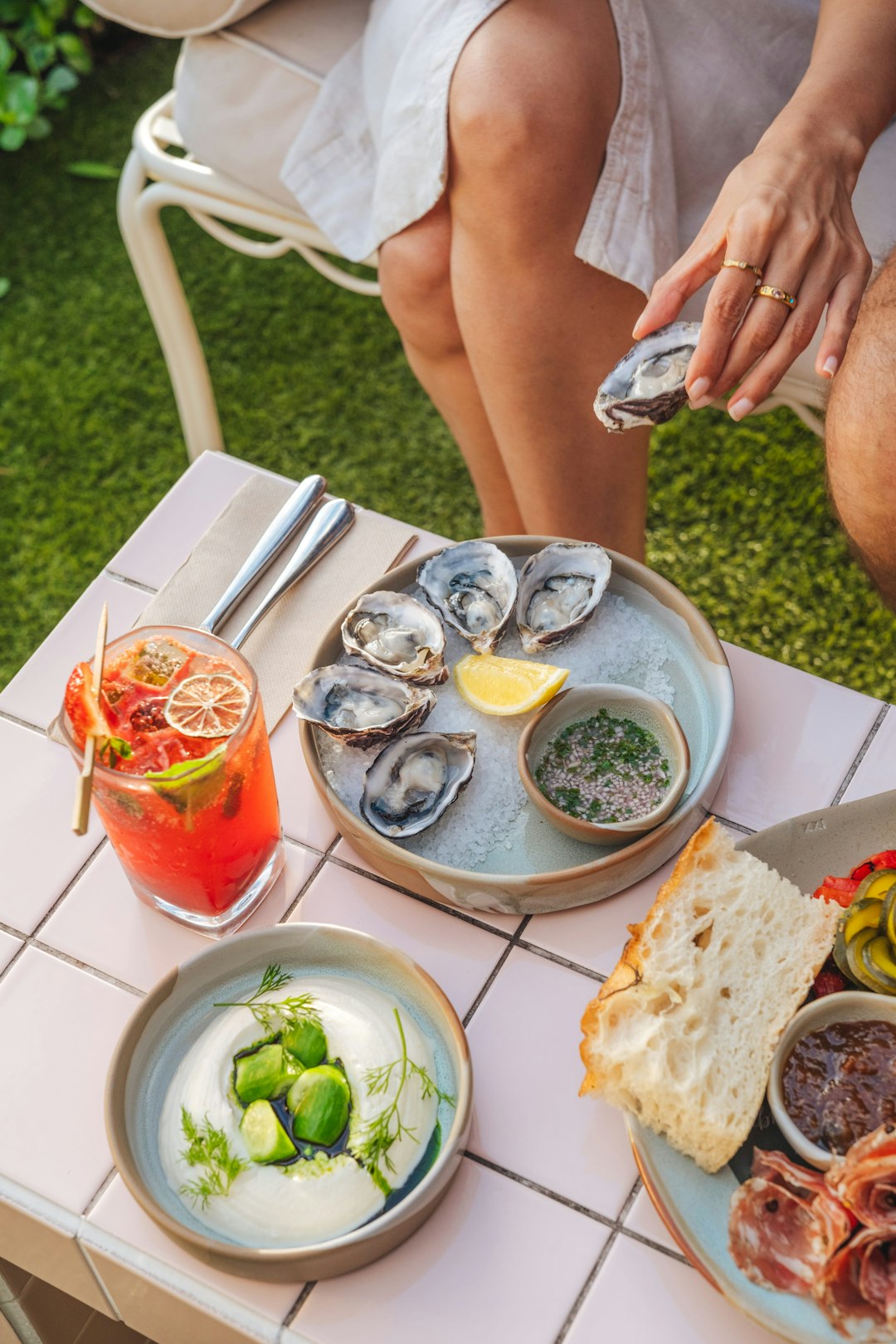
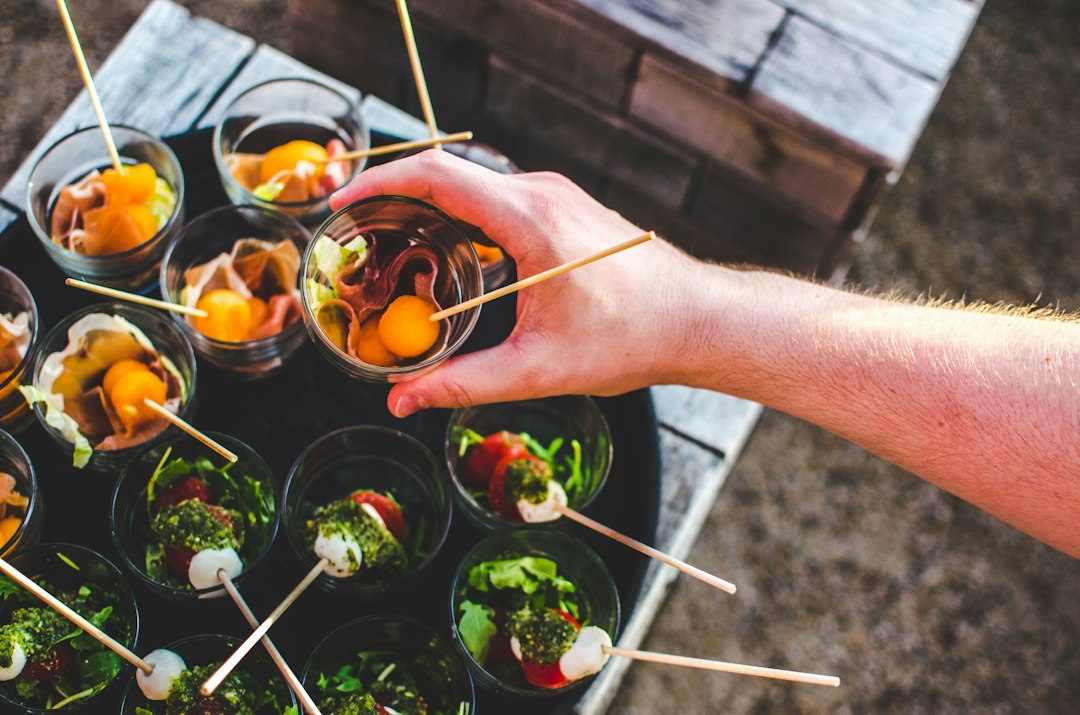

Start by matching the menu to how guests will use the space. Shared platters can suit a relaxed lunch, provided there is enough table room for serving dishes and plates. For a reception where people are standing, smaller portions that can be eaten neatly may work better. Dishes needing a knife, fork and firm surface can slow service in a crowded sitting room. Ask what preparation is expected at home, whether food arrives ready to serve, and which items need assembling, reheating or transferring to separate dishes before guests arrive.
Dietary information should be gathered early rather than added to a booking in a hurried message. A simple dietary matrix can match each guest’s requirements with every proposed dish. Include allergies, intolerances, religious restrictions and personal preferences, then check the ingredients directly instead of relying on dish names. It is also worth asking how possible allergen cross-contact is managed. An ingredient may be absent from a recipe but transferred through a shared utensil, surface, glove or piece of equipment. Labelled alternatives kept apart are easier for guests and servers to identify.
Timing needs the same attention as the menu. Service flow covers preparation, delivery, plating, serving and clearing, so a late main course can affect the whole evening. If guests arrive at seven and food is not ready until eight, arrange drinks and modest appetisers that do not spoil appetites. A narrow hallway or single entrance may make a delivery window important, particularly if a courier needs to bring in several containers. Write down who receives the food, who reheats it and who decides what happens if the schedule changes.
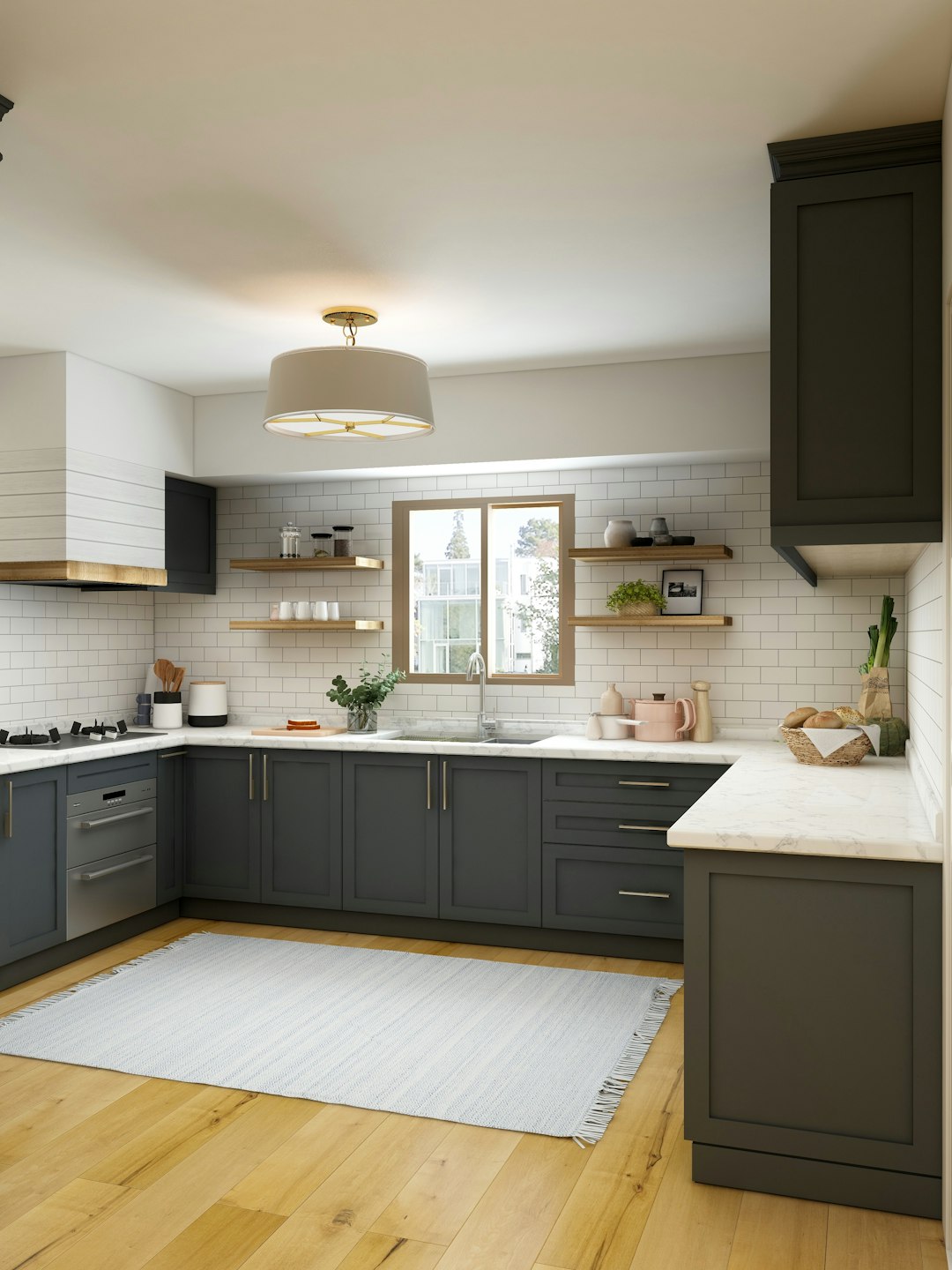
Food safety questions need not be technical, but they should be specific. Ask how chilled food is kept cold during transport and whether hot dishes arrive ready for service or require reheating. Temperature control applies during cooking, delivery, holding and serving, not only while food is in the oven. For a long event, confirm the suitable serving equipment and how long dishes are expected to remain available. Do not assume the host has spare warming equipment, large trays or enough refrigerator space. Check those points against the kitchen before confirming the menu.
Picture a buffet for twenty people in a compact terrace house. The only suitable table is beside the back door, while the fridge is already full of drinks and desserts. A generous menu could still create queues, awkward movement and food left in unsuitable places. Portion planning means estimating quantities against the number of guests and the way they will eat, rather than treating the headcount as the only factor. Smaller serving dishes, staggered presentation and a separate drinks station may allow people to move through the room without blocking the kitchen.
Keep the final arrangements in one written event brief. Record the date, address, guest number, delivery window, serving format, dietary requirements, available equipment and the person authorised to make decisions on the day. A host who keeps updating one document avoids searching through scattered messages when a dish or arrival time changes. Before the event, check the brief against the actual room: measure the serving table, clear a shelf in the fridge and identify where used plates will go. Further practical catering planning guidance can help, but the useful test is whether food, space, timing and guest needs fit together without assigning the host another full-time task.