
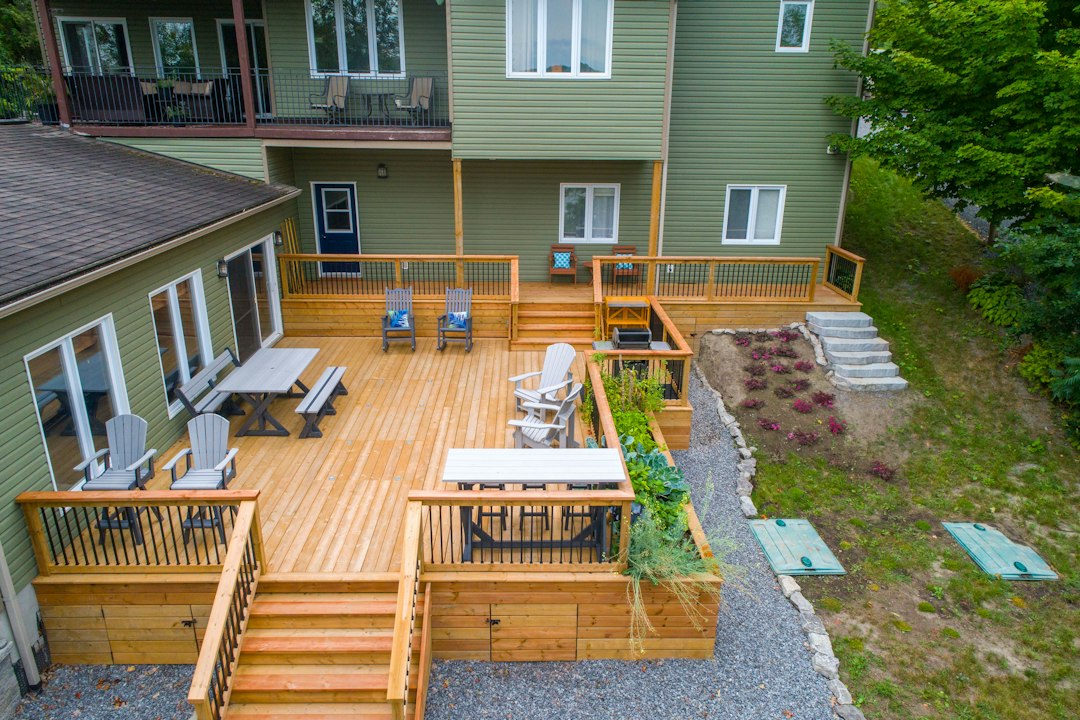

Surface preparation makes more difference than most people expect. Sweep away grit, remove peeling finish, and clean the area with a deck-appropriate cleaner. Let the wood dry thoroughly before applying anything. Dirt acts like a release layer, preventing adhesion, which simply means the sealer cannot grip the wood properly. If you are comparing products, a wood deck crack sealer should be judged by its suitability for exterior wood, its ability to accommodate modest movement, and the preparation its instructions require. Test a small, inconspicuous section first, especially on weathered or previously coated boards.
Wood expands and contracts as its moisture content changes. That movement is why a rigid filler may look fine in spring and split again after a hot, dry summer. A flexible coating, sometimes described as elastomeric, can stretch slightly rather than behaving like brittle plaster. Flexibility does not mean the material can bridge every gap. A crack that is still opening needs attention to the underlying cause. For example, if a board was installed too tightly against its neighbor, seasonal movement may keep stressing the repair until the spacing or board condition is addressed.
Pay attention to crack shape and location. A short surface check near the end grain may need a different treatment from a long split following the grain. End grain is the cut end of a board, and it absorbs water more readily because the wood fibers are exposed. Water that repeatedly enters and dries from this area can contribute to deeper splitting. On a raised deck, inspect the underside where possible, since a crack visible above may continue farther than it appears. Replace a board when decay has reduced its strength rather than relying on a surface product to disguise the problem.
Application technique also matters. Work the sealer into the crack without flooding the surrounding surface, and follow the specified coverage and curing directions. Curing is the period in which the material develops its intended properties, and cool, damp conditions can change how quickly that happens. Avoid sealing a deck immediately before rain if the product requires a dry window. A homeowner repairing three boards beside a back door, for instance, may get a better result by doing a small section at a time instead of spreading material over the whole deck and rushing the finish.
Think about water management after the repair. A sealer is not a substitute for proper drainage, sound flashing, or adequate airflow beneath the deck. Keep leaves from collecting in joints, clear debris from where boards meet the house, and check that downspouts are not washing over one area. A liquid membrane or similar coating may form a continuous water-resistant layer, but its performance still depends on sound wood and intact edges. At the same time, avoid sealing over damp wood, trapped moisture, or active leaks that will continue to challenge the repair from below.
Routine inspection is more useful than waiting for a visible failure. At the start and end of the wet season, walk the deck slowly and look for raised grain, fresh splits, soft spots, exposed fasteners, and areas where water remains after rain. A simple touch test can reveal softness, but do not press hard enough to damage the board. If you are unsure whether a crack is cosmetic or structural, a qualified deck professional can assess the framing and connections. For general deck repair guidance, use the sealer as one part of maintenance, not as a shortcut around inspection and timely replacement.