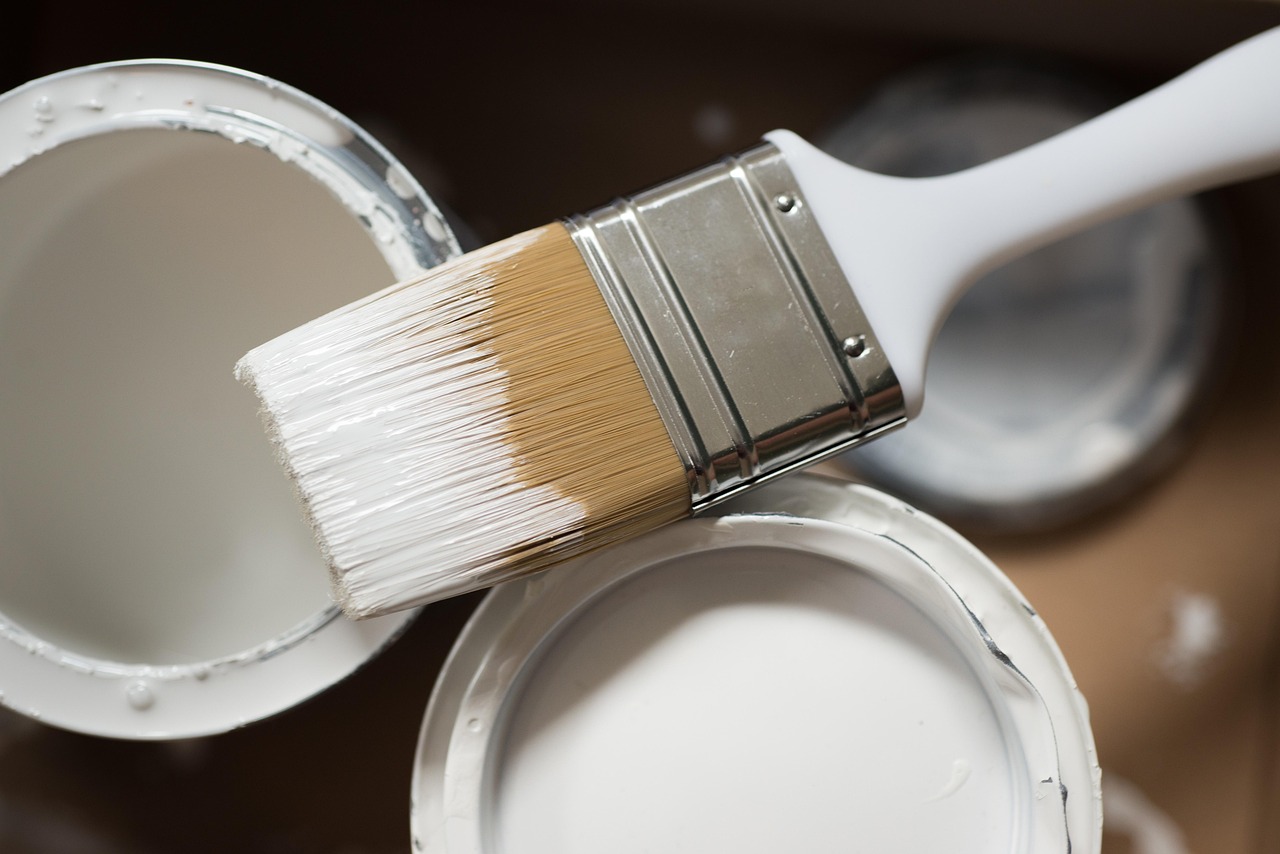

Pool waterproofing products generally fall into several groups, including cement based coatings, liquid applied membranes, sheet membranes, and resin systems. A liquid membrane is applied over prepared surfaces and cures into a continuous layer, making it useful around steps, corners, fittings, and other irregular details when the product is approved for those conditions. Cement based coatings may suit some mineral substrates, while sheet systems depend on accurately formed joints and sealed overlaps. Compare the proposed pool waterproofing material with the substrate, expected movement, drainage, and intended exposure. Appearance alone is not a sound basis for selection.
Hydrostatic pressure describes water pushing against a surface. It may come from groundwater outside the pool shell, water retained behind a wall, or saturated soil around the structure. If there is no route for that water to drain, pressure can drive moisture through pores, joints, cracks, or weak sections. A membrane may limit water entry, but it does not repair defective drainage or a structural fault. Ask how water on the opposite side will be managed, whether relief drainage has been considered, and how lights, pipes, drains, and other penetrations will be sealed. These junctions often need more careful detailing than broad wall areas.
Preparation determines whether the coating can grip the substrate. Concrete may require removal of laitance, loose material, paint, oil, curing compounds, dust, and other contaminants before repairs begin. Masonry or render may need damaged sections removed and rebuilt with compatible material. Do not assume that a visibly dry wall has the moisture condition required by the product. Some systems tolerate a damp mineral surface, while others require a drier base. Ask the installer to describe the required condition in writing and to explain treatment for honeycombing, cracks, construction joints, corners, and changes in plane. A small trial area can reveal poor wetting or weak adhesion before the full pool is coated.
Crack bridging refers to a material remaining continuous over a crack that opens within the limits tested for that system. It is not a promise that a thin coating will stop structural movement or repair a crack that keeps widening. Pools built on reactive or poorly compacted ground may need a structural review before waterproofing is specified. The repair plan could include joint treatment, reinforcement, or repairs to the shell itself. Ask for the product’s tested movement conditions and the proposed detail at corners and joints. Photographing cracks with a ruler beside them, then recording their locations, gives the contractor useful information and creates a reference for later inspections.
Curing is the period during which an applied material dries, reacts, or does both while developing its intended properties. Temperature, humidity, ventilation, coat thickness, and early contact with water can affect that process, depending on the system. The project schedule should allow the stated interval between coats and before filling the pool. A convenient date in the calendar does not replace the manufacturer’s instructions. Ask whether the system has a documented return to service period and what inspection is required before it is covered by tile, screed, render, or water. Keep the product data sheet on site so the crew and owner are working from the same requirements.
A quotation is useful only if its scope allows fair comparison. Check whether it includes cleaning, removal of loose render, crack and joint repairs, corner treatment, sealing around fittings, the number of coats, reinforcement, curing protection, and testing. Two prices for a tiled backyard pool may describe very different work if one includes only wall coating and the other includes preparation around lights and drains. Ask for exclusions as well as inclusions. Technical information such as pool leak repair guidance can help prepare questions, but the installer should confirm the final method against the current product instructions and the actual site conditions.
Plan also for what happens after the membrane is applied. An exposed surface may need protection from trades, sunlight, abrasion, or later finishes. If tiles will be installed, confirm compatibility among the membrane, adhesive, grout, and any primer. Before covering the work, keep the product name, batch details, preparation notes, application dates, weather conditions, and photographs in the project file. Record any inspection or water test as well. If dampness, cracking, or leakage returns, investigate the source instead of adding another coat without diagnosis. That record helps separate a coating defect from drainage, movement, plumbing, or shell problems that require a different repair.