
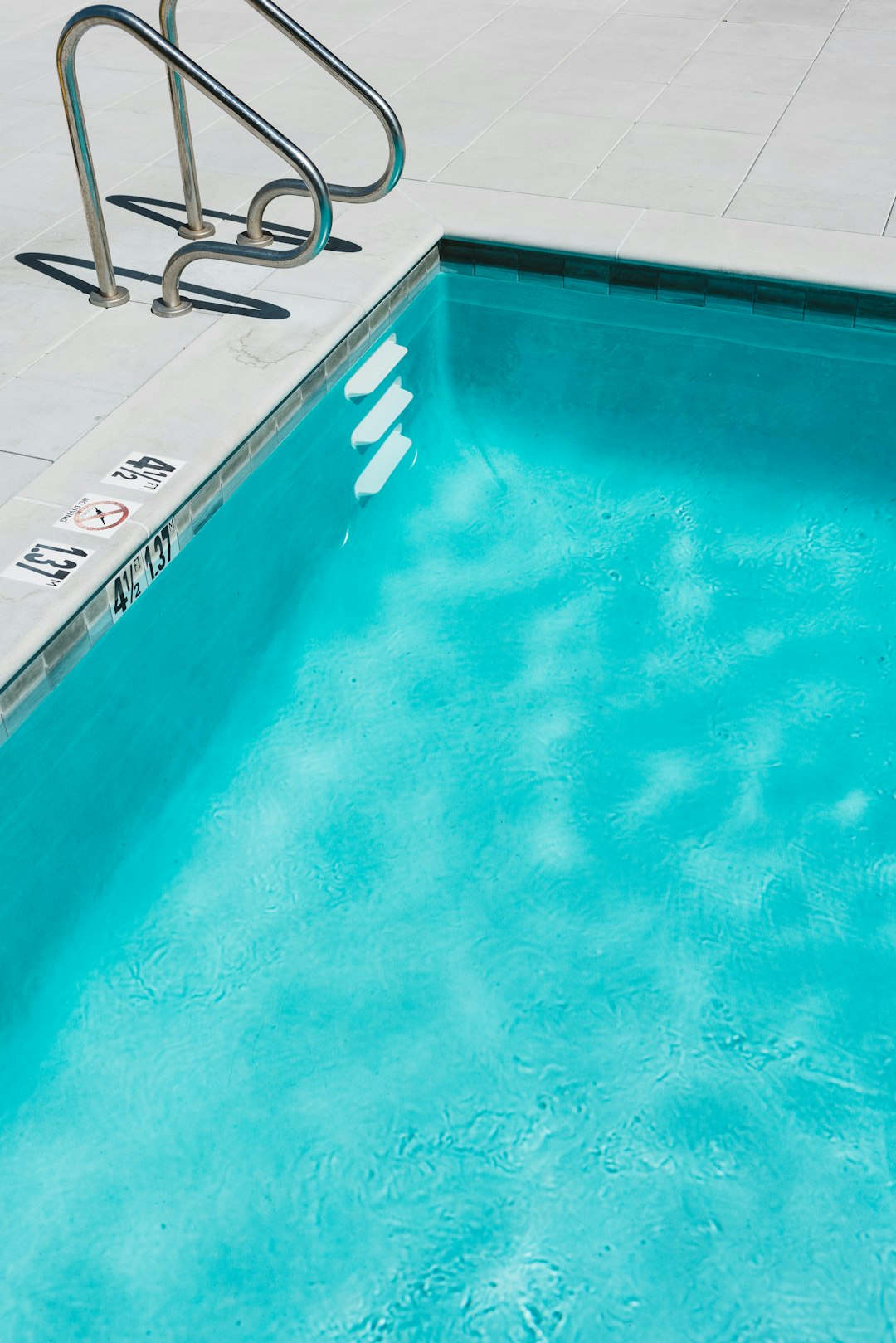

Concrete sealers generally fall into two categories. Penetrating sealers soak into the concrete, forming an invisible barrier that blocks moisture and helps prevent white salt stains known as efflorescence. These are especially useful if you deal with frequent water exposure or want to minimize moisture-related issues. Topical sealers, in contrast, sit on the surface and usually add a glossy finish. They protect against spills, dirt, and UV damage but can peel if the surface isn’t perfectly prepared or if there’s trapped moisture.
Preparation before sealing is non-negotiable. Start with a thorough cleaning; dirt, algae, or old sealer residues reduce adhesion. A pressure washer works best to blast away grime from cracks and crevices. After washing, you must let the concrete dry completely, sometimes this takes 24 hours or more depending on climate. Applying sealer on damp concrete almost always leads to peeling or bubbling later on, wasting your effort and product.
When it comes to applying the sealer, using a roller or sprayer ensures coverage without missing spots. Follow the product instructions closely about how thick each coat should be and how long to wait between coats. Some sealers require two or three layers for proper durability. Weather conditions matter too; high humidity or rain within 24 hours of application can ruin the finish and block curing.
A common question is how often you need to reseal. Quality sealers typically last between one and three years. Intense sun exposure, heavy pool chemical use, or frequent foot traffic can shorten this lifespan. Inspect your pool deck annually for signs like fading, chalkiness, or water absorption. A simple water test, dropping some water to see if it beads up, can indicate if resealing is overdue.
If you want to upgrade your pool deck’s appearance while protecting it, consider decorative overlays or staining before sealing. These add color and texture but require a compatible sealer on top to lock in protection. Many homeowners find that combining these finishes with a reliable concrete pool sealer significantly improves both look and longevity.
Proper product selection and application keep your pool area safe and attractive for years. Reading technical data sheets carefully helps avoid misunderstandings about drying times and coverage rates. A practical tip: mark off sections during application to prevent overlaps or bare spots, which can cause uneven wear. Also, avoid walking on the deck for at least 24 hours after sealing to ensure full cure.
If you’re exploring options for maintaining or enhancing your concrete surfaces, check out recommended products online like those at pool deck maintenance guide. They offer detailed specs and user feedback that can clarify which sealer fits your climate and usage best.