
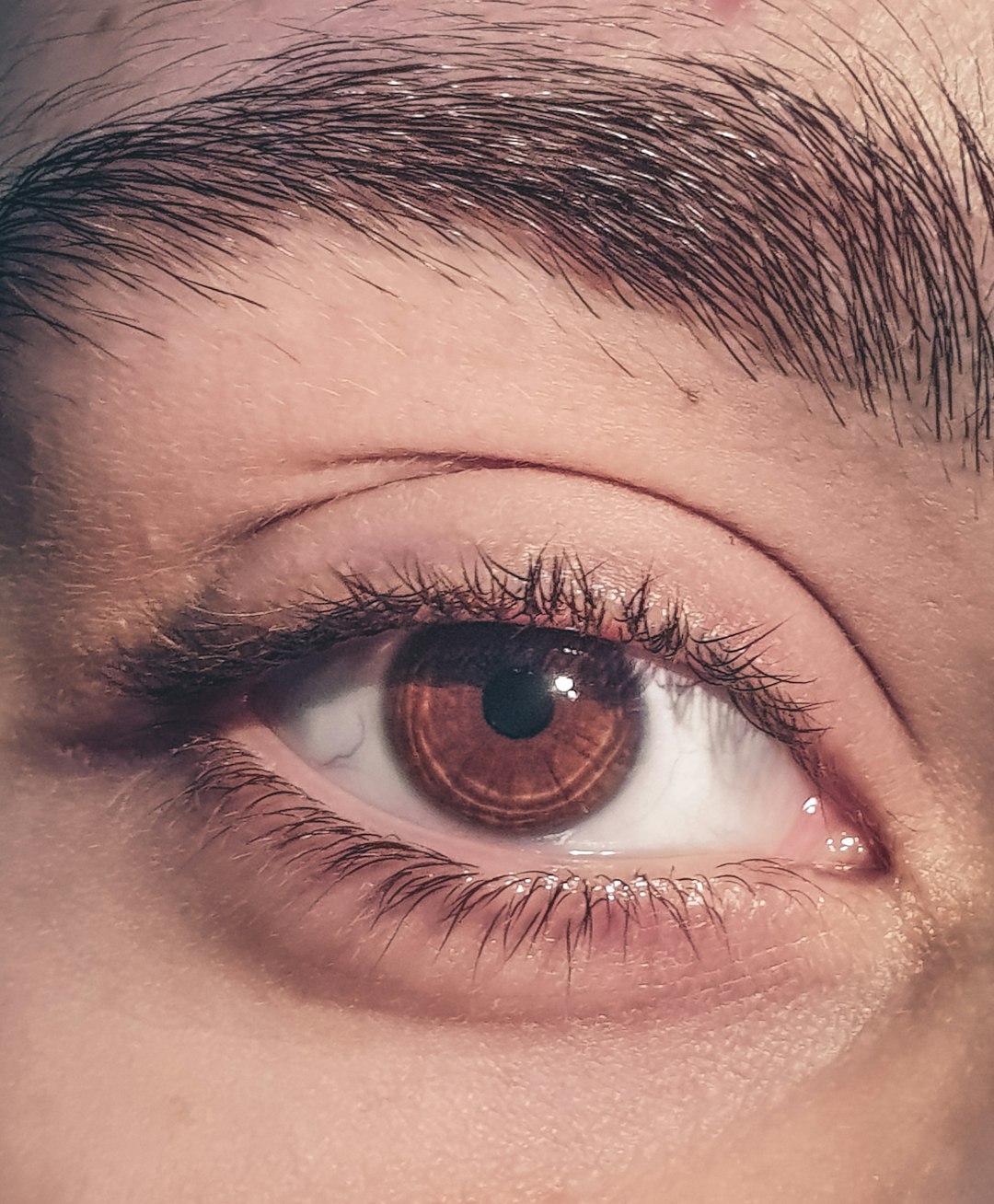

An eyebrow transplant moves hair follicles from a donor area, commonly the scalp behind the ear, directly into your brow region. Unlike tattooing or microblading, which only mimic hair strokes on the skin’s surface, transplanted hairs grow like normal eyebrow hair. This means you can trim, style, and wash them just like your natural brows. One practical tip from specialists is to bring photos of how your eyebrows looked before hair loss. This helps surgeons plan the shape and density in a way that suits your face.
The two main techniques for harvesting follicles are Follicular Unit Extraction (FUE) and Follicular Unit Transplantation (FUT). FUE involves extracting individual follicles with a tiny punch tool and placing them precisely where needed. It’s less invasive and typically leaves tiny dots that heal quickly, making it popular for eyebrow work. FUT removes a strip of scalp skin and then separates follicles before implantation. While both can yield good results, FUE is usually preferred for eyebrow transplants because it allows more control over the angle and direction of hair growth. Surgeons often spend extra time adjusting each follicle’s orientation to mimic natural brow hairs.
Picking the right clinic in Toronto requires more than just finding someone who offers eyebrow transplants. Look for providers with documented experience specifically in eyebrow restoration, not just general hair transplants. Read patient reviews carefully and don’t hesitate to ask for before-and-after photos during your consultation. A common misunderstanding is assuming all clinics use the same technique or have the same skill levels, it’s worth verifying credentials and asking about their follow-up care policies. During consultations, discuss realistic outcomes and recovery timelines; some clinics provide a detailed recovery plan including what to expect each week.
Aftercare is critical for success. Patients receive instructions on keeping the transplant site clean without disrupting new follicles. Avoiding makeup or skincare products with harsh chemicals for at least two weeks helps prevent irritation. It’s normal to experience some redness or mild swelling initially. A practical habit recommended by doctors is to sleep with your head elevated to reduce swelling during the first few nights. Also, refrain from strenuous exercise or excessive sun exposure until healing is confirmed. Following these steps closely can mean the difference between patchy regrowth and thick, even eyebrows.
Hair growth post-transplant isn’t instant. The transplanted hairs usually shed within the first few weeks after surgery, this can alarm patients expecting immediate results. However, this shedding is temporary. New hairs typically start growing back around three months post-procedure and continue to thicken over six to twelve months. Patience is key here; rushing to judgment too soon often leads to disappointment. Regular check-ins with your surgeon can help track progress and address concerns.
If you’re considering an eyebrow transplant in Toronto, exploring options like an eyebrow transplant toronto might be worthwhile. Patients who have undergone the procedure often mention how much they appreciate having natural-looking brows that require less daily maintenance than makeup alternatives. It’s also common to receive a detailed written care guide after surgery, something that helps avoid miscommunication about what activities or products are safe during recovery.
Connecting with clinics that focus on hair restoration in general can broaden your perspective on related treatments and maintenance strategies. For more information about services beyond eyebrow transplants, consider visiting hair restoration services toronto. This resource can provide insights into options tailored to your specific needs and help clarify any questions about ongoing care or future procedures.