
Fabric weight and thickness provide useful information, but neither tells the whole story. Pore structure affects which particles can pass, while permeability describes how readily air or liquid moves through the textile. A tighter structure can improve capture of fine dust, yet it may also increase resistance to flow. A more open material may keep pressure lower but allow unwanted particles through. Engineers weigh the target particle size, flow rate, dust loading and permitted pressure drop together. A catalogue description is a starting point, not a substitute for the process conditions recorded on site.
Pressure drop is the difference between the pressure on the dirty side and the clean side of a filter. As dust accumulates, it can form a surface layer known as a filter cake. That layer may improve fine-particle capture, but it also reduces available airflow as it grows. Cleaning must remove enough dust to restore flow without stripping the surface aggressively. Excessive pulse cleaning can stress the fabric, supports and seams, while weak cleaning may leave a persistent layer that causes blinding. A useful maintenance habit is to trend pressure readings alongside cleaning settings instead of judging condition by appearance alone.
Material compatibility depends on the stream, not just on whether a textile is described as durable. Temperature can affect fibres, coatings and sewing materials. Moisture may change how particles adhere and can contribute to surface blockage. Chemically active gases or liquids may also attack a material that performs well in a dry application. Abrasion is governed by the dust as well as the equipment: sharp mineral particles can wear fabric more quickly than softer, rounded particles. In food processing, the cleaning method and the risk of retaining residues may influence the textile choice as much as filtration efficiency.
A waste-to-energy plant illustrates why the full operating range matters. The filter can encounter changes in moisture, temperature and particle loading during start-up, normal production, shutdown and upset conditions. A material that behaves acceptably during steady operation may struggle during a short period of heavier loading or incomplete cleaning. Before approving a replacement, an engineer may check gas composition, dust characteristics, temperature records, pressure trends and the planned cleaning intervals. The maintenance log often reveals whether the problem began after a process change, a damaged support or a different cleaning setting.
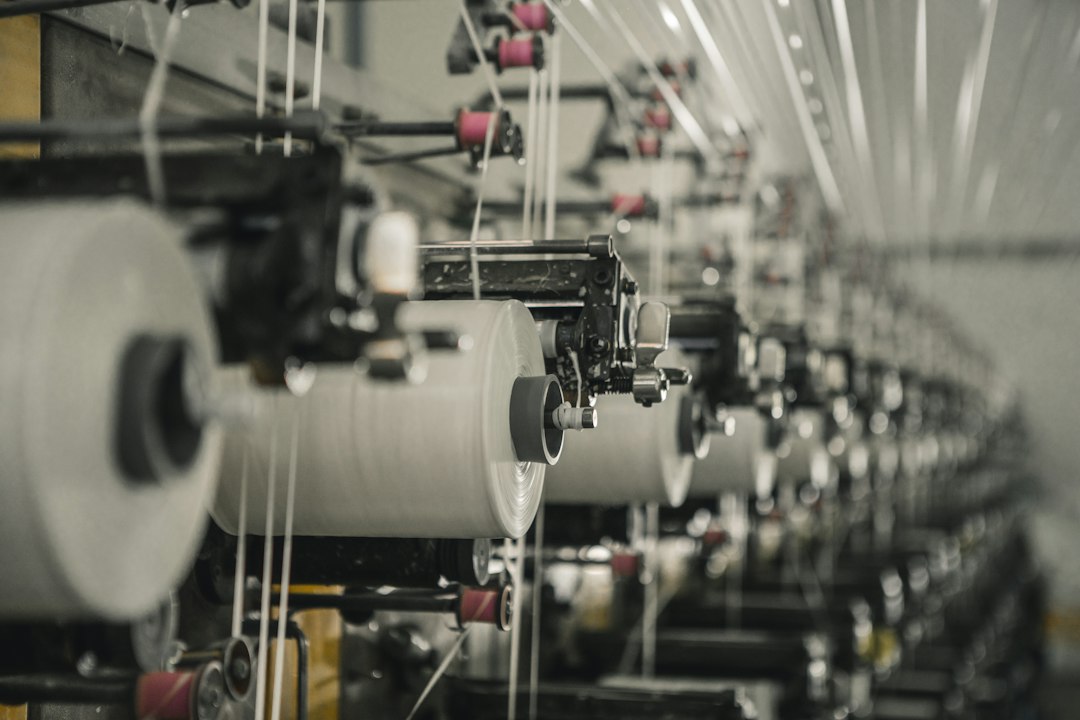
Construction affects performance as well. Woven textiles use interlaced yarns, while felted materials use compressed fibres that create a different route through the media. Surface treatments and membranes can influence particle release, permeability and moisture resistance, but they cannot correct every unsuitable duty. The rest of the assembly matters too. A bag fitted out of alignment, damaged during handling or exposed to uneven air distribution may load unevenly and wear at one point. Checking seams, cages, gaskets and installation records before blaming the cloth can prevent an unnecessary like-for-like replacement.
Textile selection should remain connected to operating evidence after installation. Record the pressure trend, inspect the location and character of wear, and note whether dust releases evenly during cleaning. Keep the approved material specification with the equipment history so the next replacement is compared with the actual duty rather than an old part number. If the process has changed, describe its normal and peak conditions when seeking engineered filtration solutions. That information helps distinguish a material limitation from poor fit, uneven flow, unsuitable cleaning or a maintenance fault.