
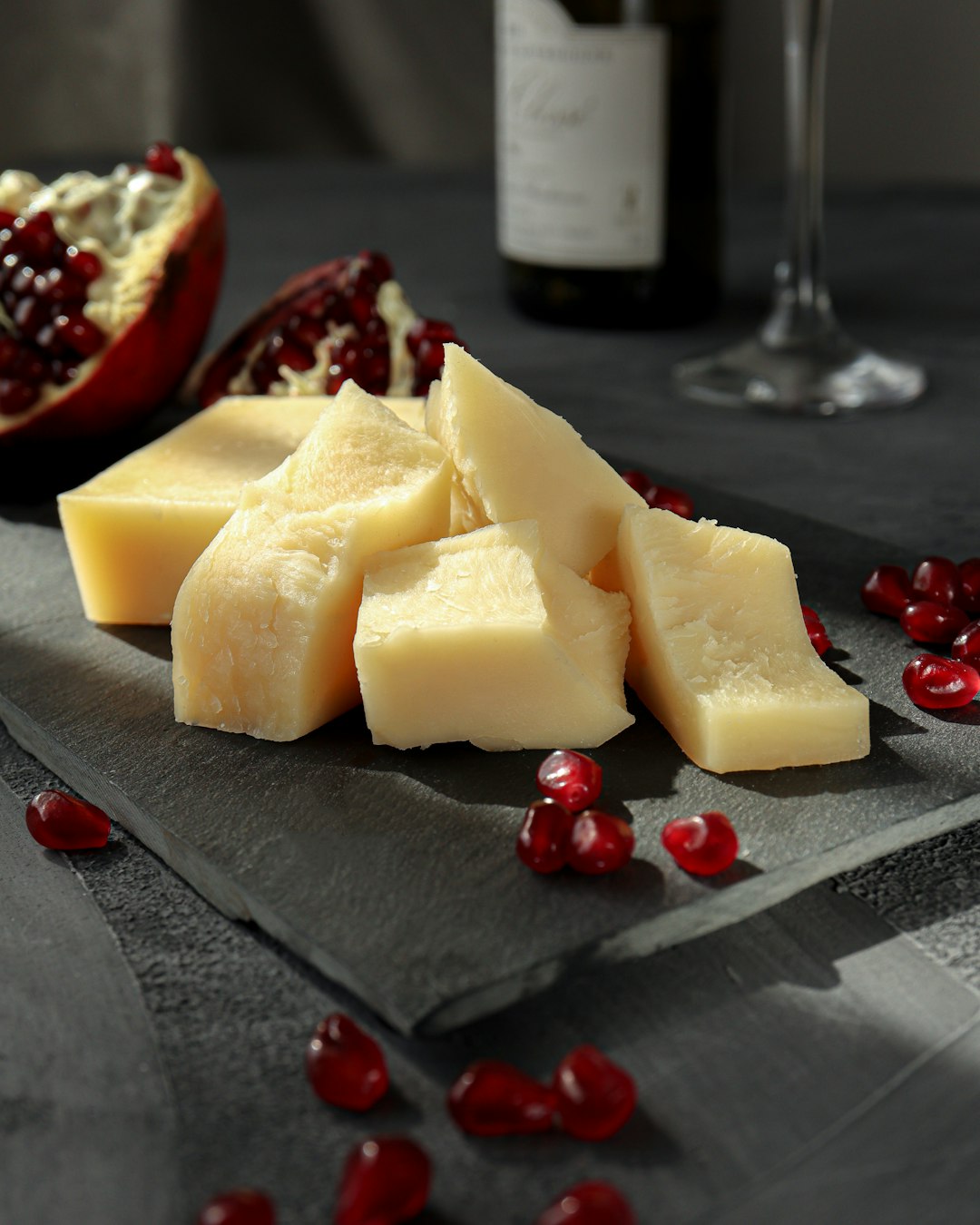

One standout category is nut-based cheeses that replicate traditional varieties like cheddar. These cheeses offer sharpness and creaminess, though they might not melt the same way as dairy cheese. That difference can affect dishes like grilled cheese or pizza, so test them ahead of time if you plan to cook with them. Also, some brands use cultures and fermentation to add depth, which is worth trying if you enjoy tangy cheese.
Some collections focus on unique flavor profiles. Take the Fauxmagerie Favourites: they offer tangy, sweet, and savory options that pair well with fruit or crackers. Keep in mind, though, plant-based cheeses sometimes include added oils or starches to improve texture or shelf life, which can alter their nutritional value compared to whole-food snacks. Reading ingredient lists carefully helps you pick what fits your diet best.
For easy spreads, the Signature Spread line is a solid choice. These are creamy and spread smoothly on bread or crackers. Typically made from cashews or coconut oil, these spreads bring richness but also more fat. If monitoring fat intake matters to you, check labels and portion sizes. A practical tip: store these spreads in the fridge and stir them before serving to maintain the best texture.
Blue cheese lovers don’t have to miss out either. La Fauxmagerie Brixton Blue offers a plant-based alternative made from fermented nuts. It captures that sharp, pungent bite associated with blue cheese without animal ingredients. When cooking with it, consider how its strong flavor might dominate other ingredients, pair it with mild sides or use sparingly for balance.
Exploring options like marks and spencer vegan cheese reveals how personal taste varies widely. Some people prefer firmer cheeses for slicing; others like soft, spreadable types. It’s common for people to assume all vegan cheeses behave like dairy ones, which leads to surprises in recipes. Sampling different styles before committing to one saves time and reduces frustration.
When planning meals around vegan cheeses, think about how they fit into a broader menu. Offering variety means everyone feels included and encourages creative dishes that suit different preferences. For ideas on plant-based ingredients beyond cheese, visit plant-based food ideas. A simple habit: keep notes on which cheeses your guests prefer and how they perform in recipes, that way, future hosting runs smoother.