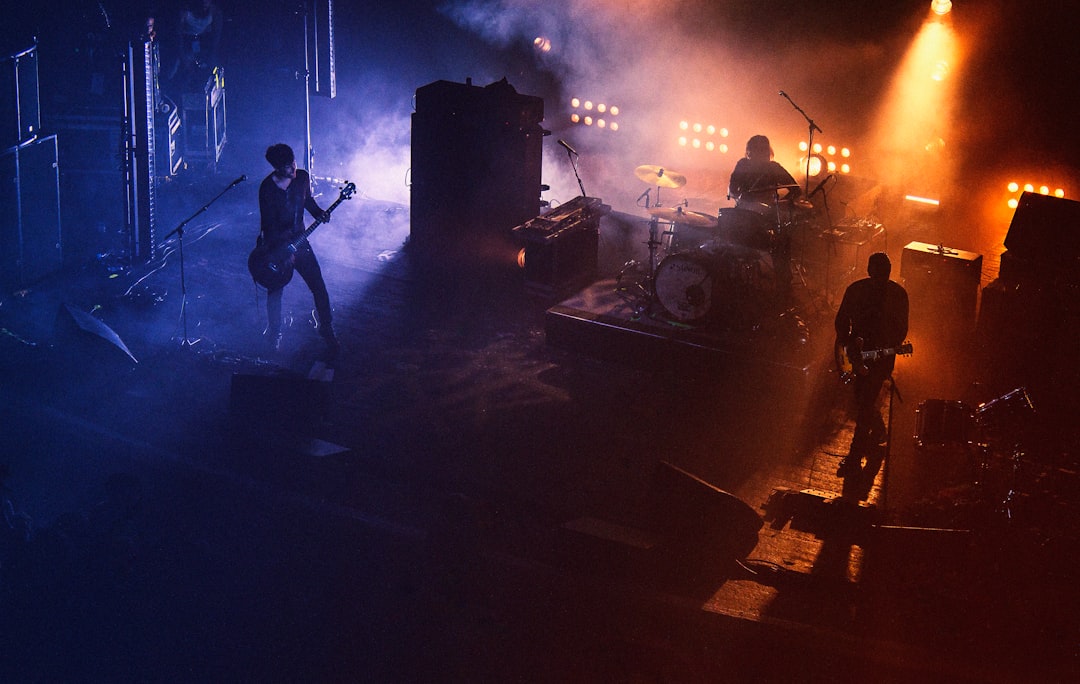
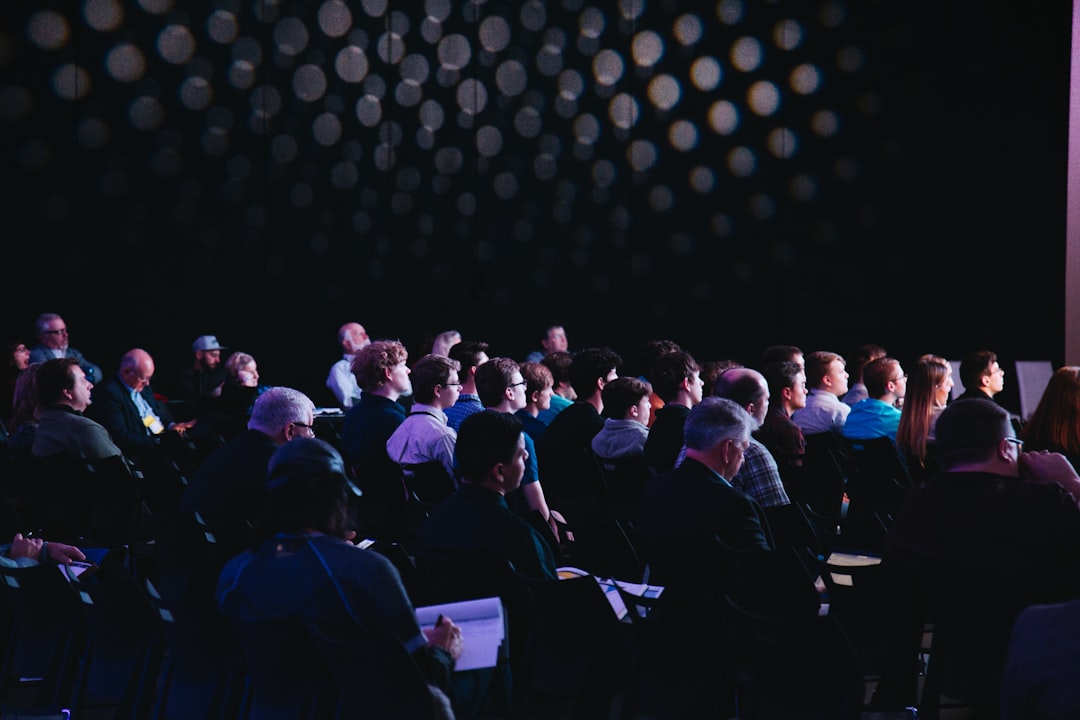

Not all brand events have to be massive. Small startups often benefit from pop-up events in local spots, creating buzz without a huge budget. On the other end, established brands might throw large opening parties or charity fundraisers aimed at building goodwill and media coverage. Each type demands different planning, what works for a tiny launch won’t suit a flagship store debut, and vice versa.
Brand activations have become a go-to for real engagement. These are hands-on experiences that invite people to interact directly with your brand, making it memorable. Think of a beverage company setting up a booth at a music festival where visitors can try drinks while enjoying live acts. It’s about creating a real connection, not just handing out freebies.
Picking the right venue is more than location; it sets the tone. A cramped or hard-to-find place kills energy before the event even starts. You want somewhere accessible and comfortable, where the atmosphere matches your brand’s vibe. Beyond that, theme development matters. Using current design trends and entertainment that fits your audience keeps things fresh. Working closely with designers, producers, and tech crews ensures the event feels seamless and intentional.
Understanding your audience is the starting point for any creative brand activation. What cultural references resonate with them? Partnering with local influencers or artists can add authenticity and widen your reach. For example, a collaboration with a street artist might give your event an edge that feels genuine rather than forced. Avoid generic gimmicks; instead, aim for moments that surprise and stick.
Budgeting is often underestimated. Event costs include venue hire, permits, catering, AV equipment, staffing, and marketing materials. Unexpected expenses pop up, like last-minute changes to permits or extra security needs, so build in a buffer. Clear objectives help prioritize spending, focusing on what will deliver impact rather than flashy extras that don’t contribute to your goals.
Working with an agency experienced in creative event planning services can save headaches. They handle logistics that often trip up in-house teams, such as vendor coordination and compliance with local regulations. Plus, they bring fresh ideas from other industries and past events. This kind of partnership frees you to focus on the brand message while ensuring execution details aren’t overlooked.
Communication within your team during planning prevents costly mistakes. For instance, sharing detailed timelines and vendor contacts in a central document avoids confusion about responsibilities or deadlines. A common snag is misaligned expectations between marketing and production teams, which can lead to reworks and stress just days before the event. Regular check-ins and clear role assignments keep things on track.
At its core, an effective brand event builds connections, between your brand and attendees, and among guests themselves. Hospitality-led experiences that reflect current trends and cultural nuances resonate deeper than generic formats. If you want to understand how these events come together and what makes them impactful, you can find more practical insights by visiting creative event planning services.