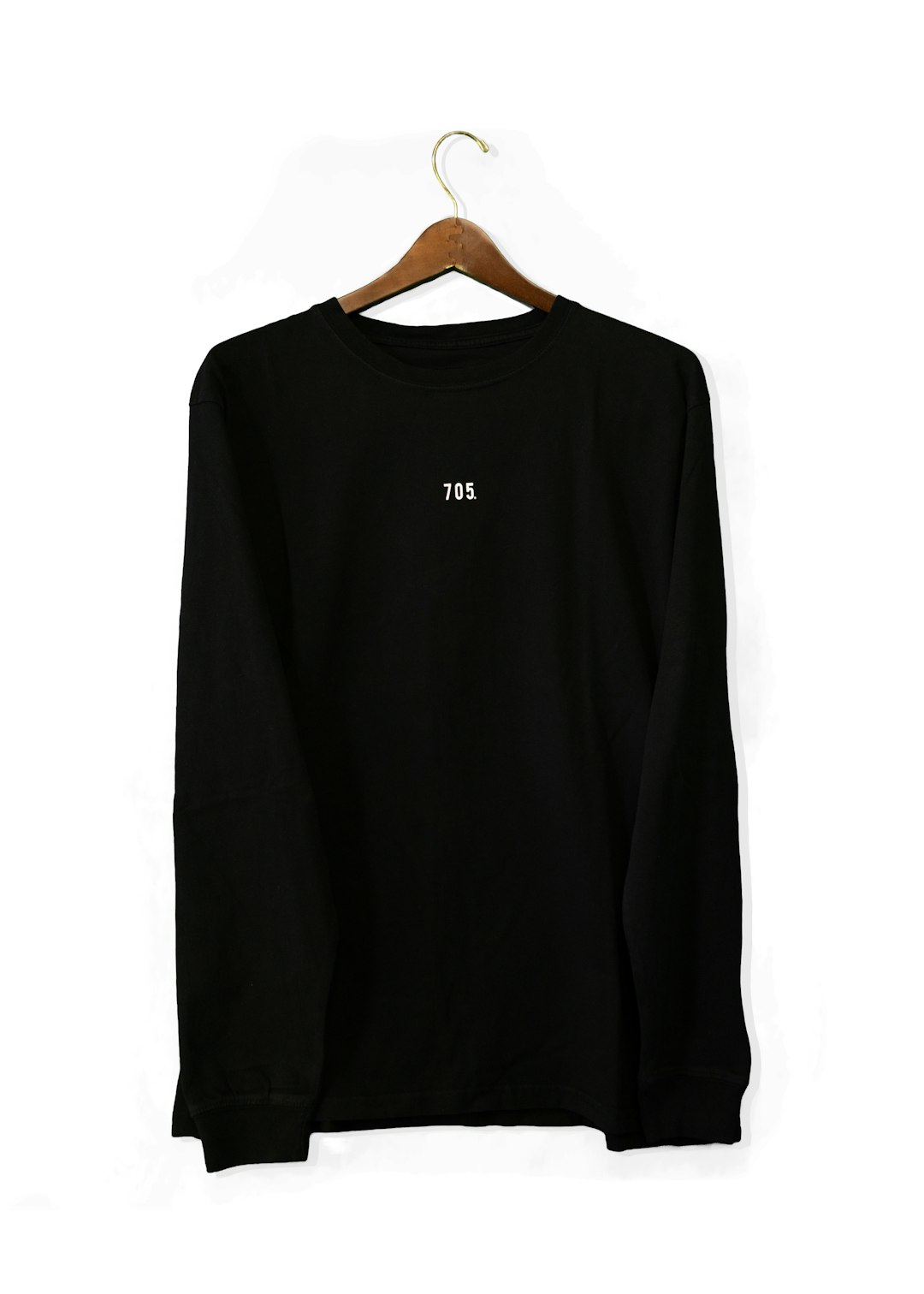

Oversized and cropped describe different parts of a sweatshirt. Oversized usually means extra room through the body and sleeves, while cropped means a shorter body length. Sizing up can add width without placing the hem where the wearer expects, so chest measurement alone is incomplete. Compare the listed measurements with a familiar sweatshirt, checking shoulder width, sleeve length, and total body length. Then raise both arms and bend naturally while wearing the reference garment. This reveals whether the hem stays near the intended point, whether the shoulders bunch, and whether the layer beneath remains comfortable.
Imagine a dance group choosing its uniforms from a flat image. The members want enough ease for warmups, but the organizer selects one generous size for everyone because the style is called oversized. That is the mistake: ease, or space between the body and fabric, is treated as a universal target. One wearer may need a roomy torso, while another may prefer less volume and a shorter-looking hem. The better approach records individual measurements and compares them with a sweatshirt each person already likes. A dropped shoulder seam and fuller sleeve can create a relaxed profile, but loose cuffs may interfere with movement.
Decoration needs to be planned with the silhouette, not after it. A name or team mark should have enough open space to remain visible without crowding the neckline, arm seam, or cropped hem. Letter spacing affects readability, while font weight describes how thick the characters appear. Thin lettering may lose definition on textured fabric, and heavy lettering can overwhelm a small chest area. Review the exact name, font type, and color in one mockup. Comparing Ovesized Crop Sweatshirts with the planned outfit can help expose proportion problems before production.
Color creates a practical trade-off between subtle styling and easy recognition. Strong contrast generally makes names easier to read, while a pale print on a pale sweatshirt may disappear under bright gym lighting or in a crowded hallway. Place the mockup beside the team’s actual bottoms, shoes, and accessories rather than judging the sweatshirt alone. For broader custom team apparel ideas, the same comparison is useful because a garment that looks polished by itself may clash with an existing uniform. Save the chosen colors and final proof together so the approval reflects the complete outfit.
Another misconception is that comfort means maximum looseness. Extra room can support movement and layering, but too much fabric may hide the cropped shape, slide over the hands, or make a coordinated uniform look careless. Ribbed cuffs and hems are flexible knit sections that can help hold a sweatshirt’s shape, though the final effect depends on the garment. A dance group might favor a relaxed body with controlled cuffs, while a spirit squad wearing a tank underneath may prefer a shorter hem above high-waisted bottoms. The activity and base layer should guide the balance.
Before ordering, write down the setting, intended layer, garment color, individual size, font, print color, and placement details. Compare every entry with the final proof and leave time for measurement questions. If the group is small, testing one size or decoration layout can reveal how the hem behaves during actual movement. Also review fabric weight, which affects how substantial the sweatshirt feels, and follow product care directions because washing and drying may affect fit or printed lettering. When proportions, readability, color, layering, and care are checked together, the finished sweatshirt feels like part of the uniform rather than a last-minute addition.