
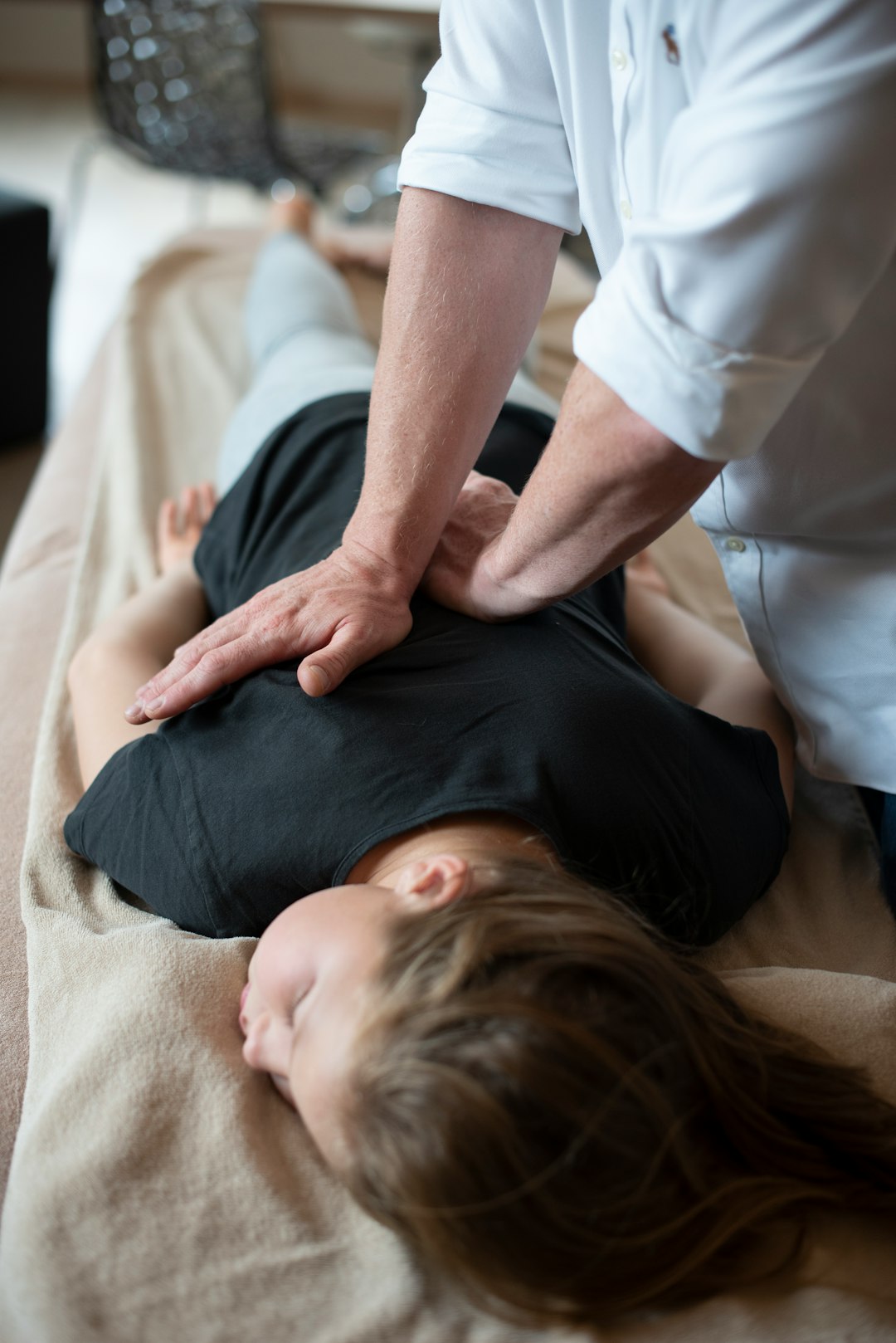

If you deal with persistent back pain, an osteopath will usually check your posture closely and watch your movements during everyday tasks. This helps them design a treatment plan tailored to you. They might combine soft tissue work with targeted exercises, focusing on improving flexibility and strengthening surrounding muscles. A typical session involves hands-on therapy alongside advice on how to adjust daily habits that might be making the problem worse, like sitting positions or how you lift objects.
Expecting mothers often find osteopathy helpful for pregnancy-related aches. As the body changes, pressure on the pelvis and spine can cause significant discomfort. Osteopaths apply gentle techniques designed specifically for pregnant women, ensuring the safety of both mother and baby. These treatments can relieve tension and improve mobility, allowing women to carry on with activities more comfortably. Many practitioners also suggest specific stretches or postural adjustments to reduce strain as pregnancy progresses.
Arthritis and other age-related joint conditions benefit from osteopathic care by focusing on maintaining movement and managing pain. As joints stiffen over time, keeping muscles strong around those joints helps preserve function. Osteopaths will often teach exercises suited to your condition, aiming to slow down stiffness and improve quality of life. They also pay attention to how you perform everyday activities, advising on modifications that reduce joint stress without sacrificing independence.
A common stumbling block is uncertainty about what an osteopathy session involves. That’s why some clinics offer a free discovery session where you can talk through your issues without any pressure. During this appointment, you’ll get a clear idea of what to expect from treatment and how osteopathy might fit your needs. It’s not uncommon for people to confuse osteopathy with other therapies; this first meeting clears up those misunderstandings and sets realistic goals.
If you prefer getting information over the phone before booking an appointment, many osteopaths provide phone consultations. This chance to ask questions helps clarify the treatment approach and address any concerns directly. It’s surprising how much clearer things become after a short conversation with a practitioner compared to reading online descriptions alone. They can explain common techniques like soft tissue manipulation and joint mobilisation in plain language and suggest whether osteopathy is worth trying in your situation.
Exploring osteopathy can be a practical step if pain or limited movement affects your daily routine. The focus is on treating the body as a whole system rather than isolating symptoms. If you’re ready to explore this approach, reach out to an osteopath glen waverley for personalised advice tailored to your situation.
For those interested in understanding how osteopathy fits into broader health care options, visiting a site that offers insights into complementary practices can be useful. You might find it helpful to check out manual therapy techniques explained as part of your research.