
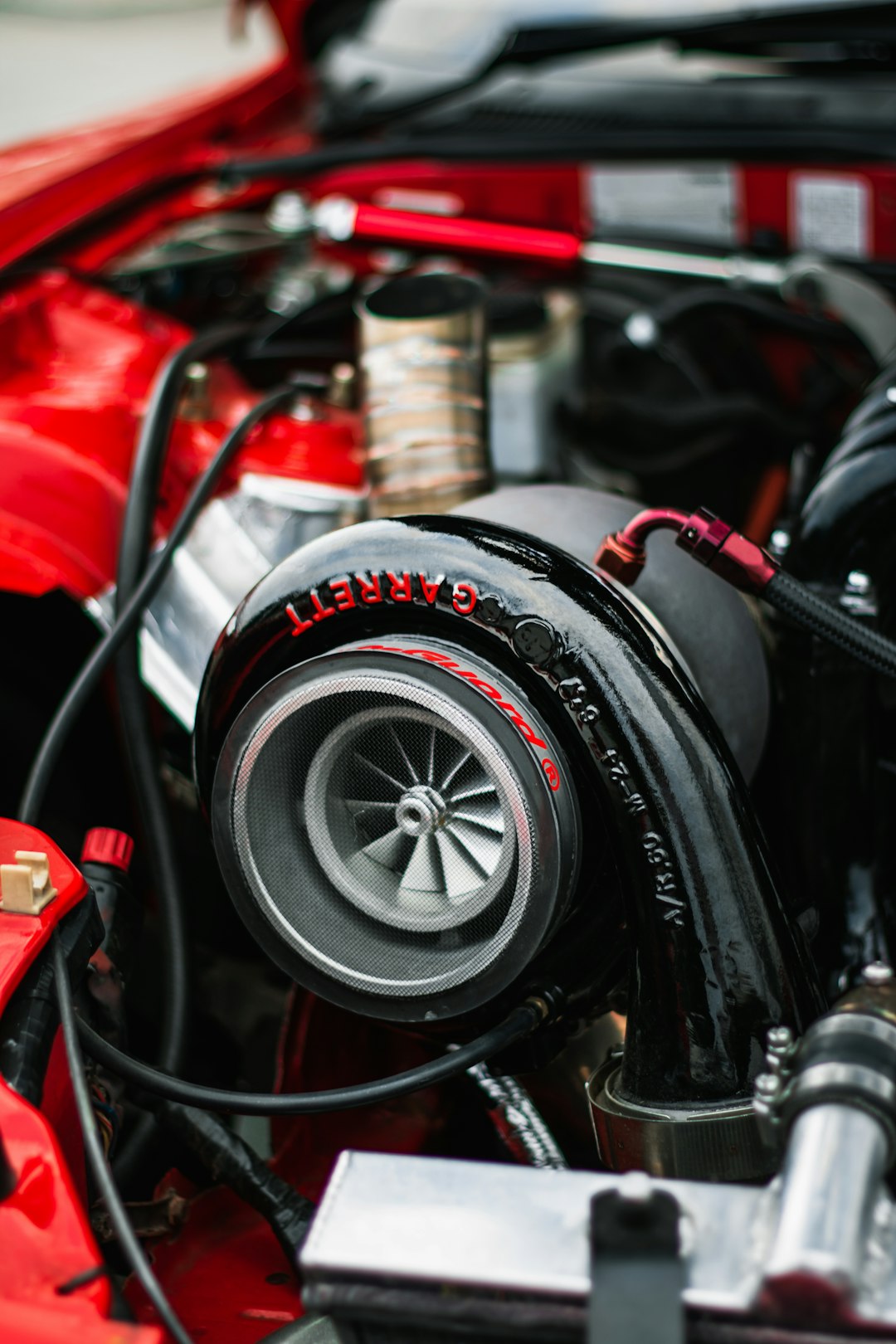

One mistake that shows up regularly is neglecting the oil supply. Turbos spin at incredible speeds and need a steady flow of clean oil to keep bearings healthy. If oil lines aren’t routed correctly or if the oil pump can’t maintain pressure, the bearings wear out fast. A quick check of the oil feed and return lines during installation can prevent a host of headaches. Also, make sure the oil filter is clean and compatible with your setup.
Boost control is another area where people often slip up. When fitting a new turbo, wastegate settings rarely get adjusted. If the wastegate opens or closes at the wrong point, you risk pushing too much boost or not enough. Both extremes stress the engine and turbo components. Taking time to recalibrate these settings using a boost controller or manual adjustment can protect your engine and improve throttle response.
Tuning cannot be overlooked. Some assume factory tuning or off-the-shelf maps are good enough, but every car responds differently to new hardware. A custom tune optimizes fuel delivery, ignition timing, and boost targets specifically for your vehicle’s condition and modifications. Experienced tuners will also check for knock and adjust timing accordingly. Skipping this step often means leaving power on the table or running unsafe air-fuel ratios.
Support mods make a noticeable difference too. Upgrading the intercooler reduces intake air temperatures, which helps prevent power loss from heat soak during heavy use like track days. Bigger exhaust systems reduce backpressure, allowing the turbo to spool more quickly and efficiently. Even simple changes like better coolant hoses or heat shielding can improve reliability under stress.
If you’re shopping for upgrades, take time to review available parts carefully. There’s a wide range of options from full turbo kits to individual components tailored for specific goals. It helps to find reliable turbo upgrade advice before committing. Reading user forums and checking installation guides can reveal common pitfalls and best practices that save time and money.
Maintenance habits impact longevity as well. Regularly inspecting turbo hardware for cracks, leaks, or loose fittings catches problems early. Keeping oil fresh and changing it on schedule prevents sludge buildup that starves the turbo bearings. Letting your engine idle briefly after hard driving cools down the turbo gradually, reducing thermal shock inside the turbine housing.
A frequent source of confusion is interpreting boost gauges and diagnosing noises. For example, a slight whistle might be normal spool sound, but a loud chirp could mean worn bearings or compressor surge. Keeping a log of sounds and performance changes during test drives helps communicate issues clearly to your mechanic.
Ultimately, upgrading to next gen turbos like the next gen 6466 brings real performance benefits but demands attention to detail. Careful installation, proper oil supply, precise boost control, custom tuning, supporting mods, and regular maintenance all work together to keep your setup running strong under pressure.