
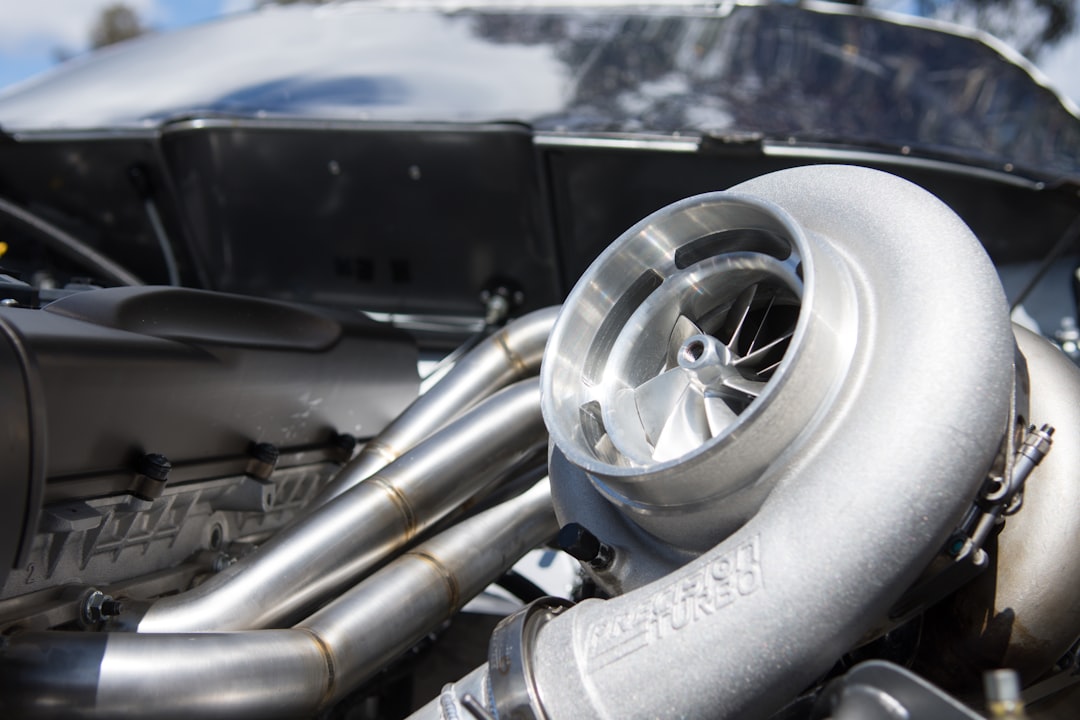

Matching parts is another area where people slip up. A G Series II turbo demands compatible wastegates and intercoolers capable of handling its boost levels. Too small an intercooler or an incompatible wastegate can choke airflow or cause boost pressure issues, killing any performance gains. When installing, double-check flange sizes and ensure all components are rated for your target power. It’s worth measuring pipe diameters and pressure ratings rather than assuming parts will fit or work well together.
Tuning is frequently neglected or rushed. The ECU must be remapped to handle the increased airflow and pressure. Without this, you risk running lean conditions that stress engine internals or rich mixtures that reduce efficiency and foul spark plugs. A tune tailored to the G Series II’s flow characteristics is key. Many tuners familiar with this lineup will adjust fuel trims, ignition timing, and boost control to keep the engine safe and responsive. Ignoring tuning advice often leads to wasted upgrades or worse.
The design improvements in the G Series II lineup are notable. Garrett introduced AERO technology, which optimizes compressor and turbine wheel aerodynamics. This means faster spool without sacrificing power delivery at high RPMs. Drivers notice a more immediate throttle response and consistent power through the rev range compared to older models. Still, these gains rely on clean airflow paths free from leaks or restrictions, so sealing and proper hose routing should not be underestimated during setup.
Supporting modifications become necessary with these turbos. The stock fuel system often can’t keep up with the increased air volume. Upgrading injectors and fuel pumps ensures the engine receives enough fuel to match the boost safely. Failing to do so risks lean conditions under load that can cause detonation or long-term engine wear. It’s a detail that’s easy to miss when focusing on the turbo itself but critical for reliability and performance.
Installation questions or uncertainties aren’t unusual. Many enthusiasts turn to online forums where experienced builders share advice on setups and troubleshooting. These communities often discuss common mistakes like improper oil line routing or tuning missteps. They also exchange tips like checking boost leaks by spraying carb cleaner around joints during a cold start or using a magnet to keep oil drain plugs secure. Engaging with these groups can save hours of trial and error.
For detailed specs and options within the G Series II range, visit Turbosmart. The site offers comparisons that help clarify which turbo suits different setups, whether you’re aiming for daily driving or track use.
Maintenance keeps your turbo spinning well after installation. Regularly inspect hoses for cracks or looseness, check oil quality and levels often, and watch for any abnormal noises that might signal bearing wear. Many mechanics recommend changing oil filters more frequently after a turbo upgrade due to increased thermal stress on engine oil. Keeping a simple log of maintenance dates can prevent surprises down the road.
If you want practical advice on upgrading your fuel delivery system alongside your turbo, visit fuel system upgrades guide. Reliable fueling makes all the difference once you start pushing your new turbo towards its limits.