
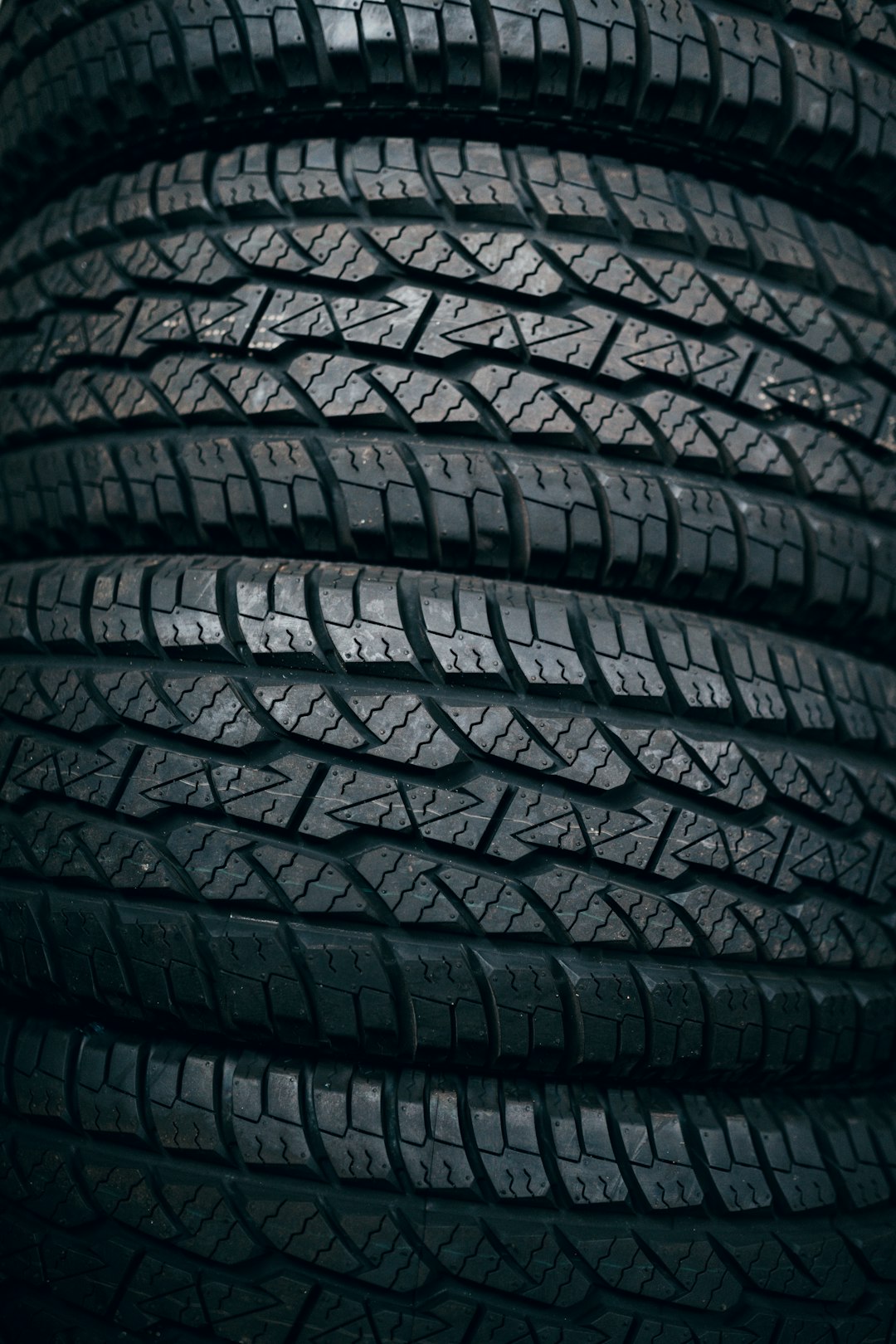

A small construction firm learned this lesson after choosing budget tyres to save money. Those cheaper options wore out fast under heavy loads and rough use, leading to frequent replacements and unplanned expenses that wiped out any initial savings. Durable all terrain tyres withstand tough conditions longer, offering consistent performance over thousands of kilometres. For businesses working off the beaten path, investing upfront avoids downtime and repair bills down the line.
Tyre technology also matters beyond just toughness. Advanced rubber compounds in all terrain tyres maintain flexibility, helping the tyre adapt to uneven surfaces while resisting wear. This balance means better traction in rain, snow, or mud without sacrificing lifespan. Drivers report feeling more confident tackling steep inclines or slippery slopes when their tyres respond predictably under stress. The right compound can make a real difference on remote job sites or rural deliveries where grip is non-negotiable.
Managing tyre pressure is another critical factor off-road. Lower pressure increases the tyre’s footprint, improving traction on sand, gravel, or loose soil. However, dropping pressure too far risks damaging the tyre’s sidewalls or causing bead separation. Experienced drivers carry portable air compressors to adjust pressure as conditions change throughout the day. Checking pressures regularly before and after trips prevents premature wear and maintains safety.
Beyond technical specs, practical habits matter. For instance, inspecting tyres for cuts, embedded stones, or sidewall damage should be routine before heading into rough areas. Keeping a log of tyre rotations and wear patterns helps identify uneven wear early, saving tyres from early retirement. Misunderstandings about tyre ratings and load capacities also cause problems, drivers sometimes overload vehicles thinking stronger tyres can handle it without consequences, which leads to failures.
For those upgrading or replacing tyres, browsing options at off-road tyre maintenance tips offers useful advice tailored to different vehicles and terrains. Matching the tyre type to typical routes ensures better performance and fewer surprises. Whether it’s rocky tracks or muddy fields, selecting the correct tyre enhances reliability and lowers operational risks.
Spending a bit more on quality all terrain tyres often pays off by reducing delays and repair costs caused by inappropriate equipment. Business owners benefit from fewer breakdowns and smoother trips when tyres match their workload and environment. Taking time to understand tyre features and maintenance needs prevents common pitfalls that waste time and money.