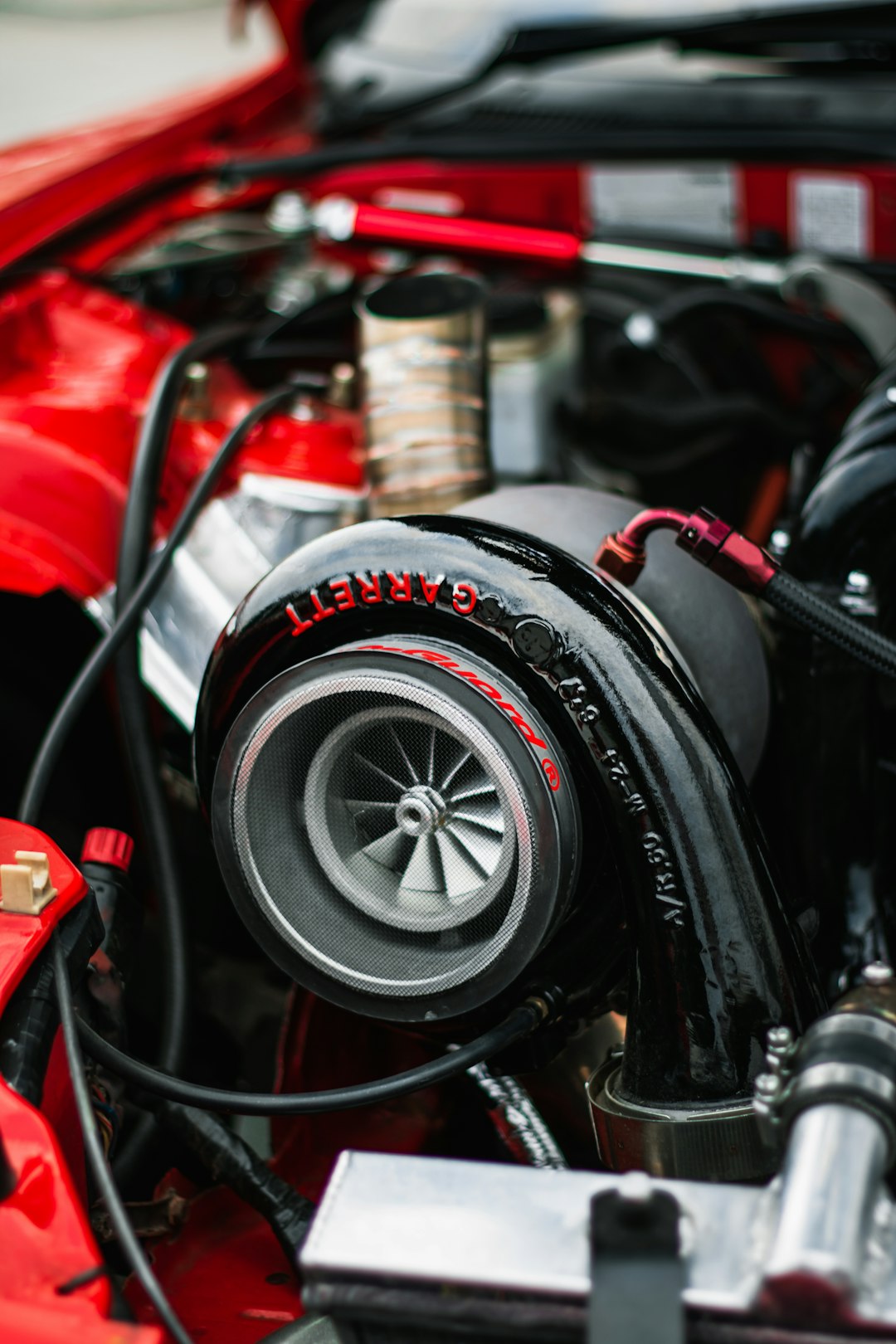
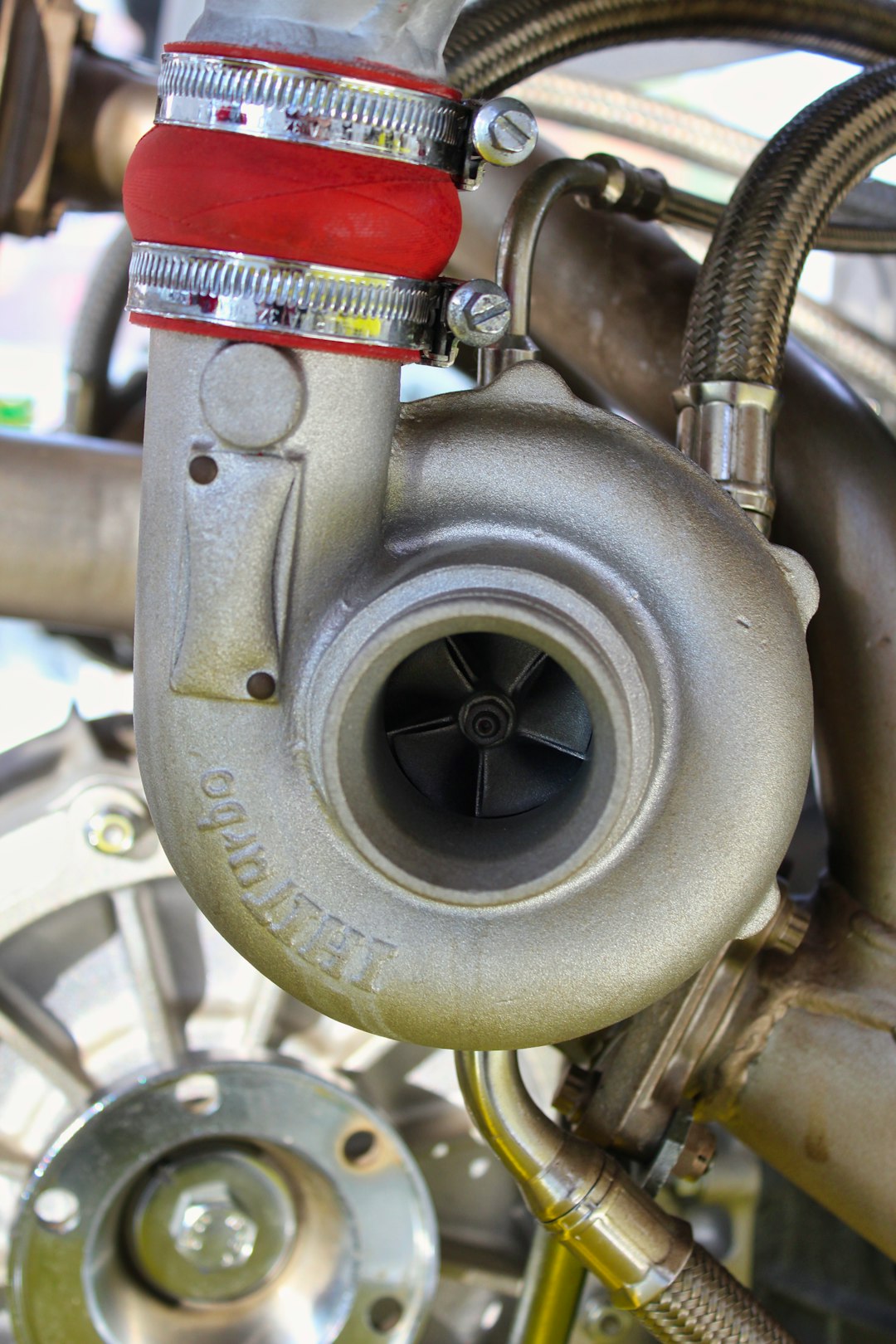

Next gen turbos often use advanced alloys and precision engineering to handle higher boost pressures without sacrificing reliability. They typically have larger compressor wheels, which push more air into your engine. More air means better combustion and stronger power output, but it also requires careful tuning to avoid running too lean or causing excessive heat. Lightweight components reduce the turbo’s inertia, cutting down on lag time and giving you quicker throttle response. These aren’t just claims; users often notice a crisper feel compared to traditional turbos.
A big misconception is assuming all turbos work the same way regardless of generation. Newer models frequently incorporate variable geometry turbine (VGT) technology. That means the turbo adjusts the angle of the turbine blades depending on engine speed, so it performs well across a wide RPM range instead of just at peak power. If you’re running a mix of street driving and occasional track days, next gen turbos can provide smoother boost delivery and better fuel economy. For example, fleet operators with modified vehicles have reported noticeable improvements in drivability and maintenance intervals after switching.
Compatibility is a practical concern that’s often overlooked. Installing a next gen turbo isn’t always as simple as swapping out the old unit. You’ll likely need to check your exhaust manifold design, intercooler capacity, and fueling setup. Tuning software adjustments are usually required to make sure the engine management system works with the new hardware. A turbo like the next gen 8385 offers impressive gains, but only if your system is properly calibrated. Skipping this step can lead to poor performance or even damage.
Tuning itself demands attention to detail. After installing a next gen turbo, recalibrating air-fuel ratios is critical to prevent lean conditions that can cause engine knock or overheating. Many enthusiasts neglect this and rely on factory maps designed for older turbos. Using wideband O2 sensors during tuning helps dial in correct fueling and timing. It’s a habit among experienced tuners to log multiple runs at different RPMs and loads to ensure stability throughout the rev range.
Shopping for next gen turbos means comparing specs like compressor size, maximum boost pressure, and turbine housing options. Some models focus on street-friendly response, while others prioritize top-end power for racing applications. Reading user reviews and forums can reveal how a particular turbo performs in real-world conditions, not just on paper. Websites also provide tools to compare pricing and features side-by-side, helping you find a model that fits your driving style and budget.
Quality parts make a difference over time. The durability of bearings, seals, and housings in next gen turbos tends to surpass older designs, but regular inspection is still necessary. Checking for shaft play or unusual noises before and after installation can prevent headaches later on. Keeping a detailed record of service intervals and any tweaks made helps maintain consistent performance. Drivers often keep a logbook or digital notes to track these details.
For those ready to explore options or dive deeper into next gen turbo technology, resources abound online. Engaging with communities focused on turbo performance can reveal practical tips on installation quirks or tuning tricks that aren’t in manuals. Sites like turbo upgrade advice forums offer firsthand accounts from people who’ve tested various setups. This kind of knowledge-sharing is invaluable for avoiding common pitfalls and getting the most from your investment.