
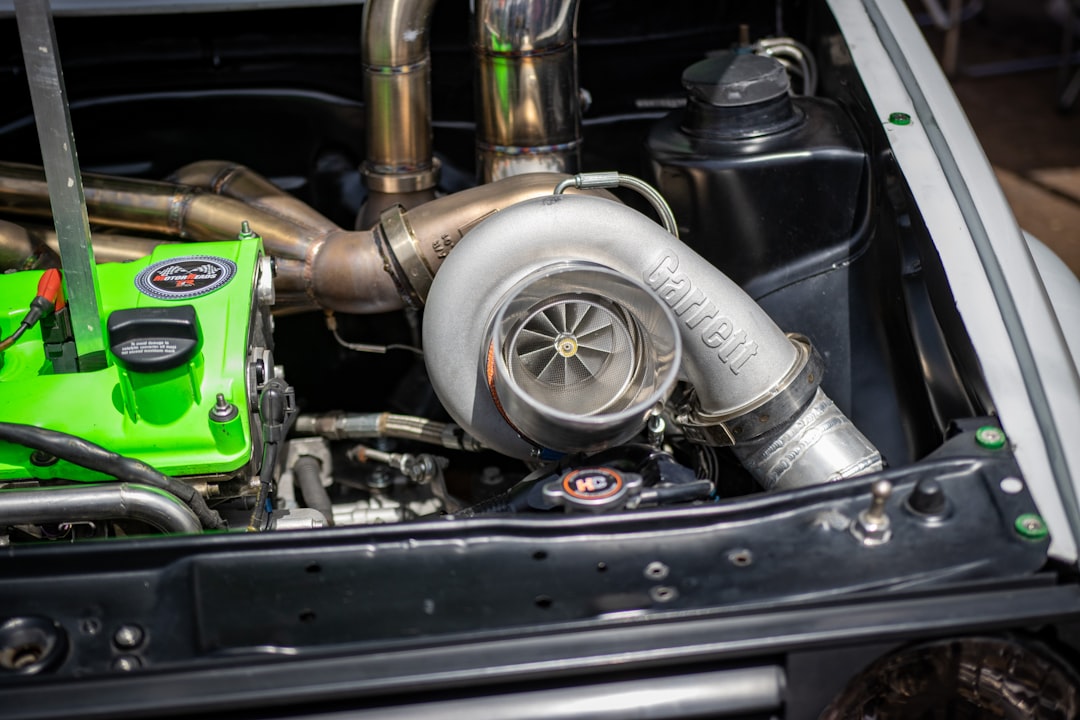

Boost pressure control is another area where problems often arise. Owners sometimes push the turbo beyond its safe boost range hoping for more power, but the G Series II isn’t invincible. Excessive boost can cause compressor surge, which sounds like fluttering and damages the turbo wheel. It also risks engine knock, especially if the tune doesn’t compensate properly. Monitoring boost with a reliable gauge and logging data during runs helps catch these issues early.
Proper tuning after installation cannot be skipped. The G Series II needs a tailored tune to balance fuel delivery, ignition timing, and boost targets. A rushed or generic tune often results in high exhaust gas temperatures or lean conditions that stress engine components. A common mistake is ignoring wideband O2 sensor data or failing to recalibrate fuel maps after hardware changes. Taking time for a quality dyno session or road tuning session will pay off.
Wastegate setup affects performance more than many realize. If the wastegate actuator is adjusted incorrectly, the turbo may produce too much boost, risking damage, or too little, leaving power on the table. Some tuners forget to check the actuator arm length or spring pressure after installing a new wastegate or turbo. Testing the actuator movement by hand before the first startup is a small step that avoids headaches.
Routine maintenance extends the life of the G Series II turbo. Inspecting oil return lines for blockages, checking for any oil leaks at fittings, and examining hoses for cracks or looseness can prevent failures. A leaky boost hose might cause erratic boost readings and poor throttle response, a problem often misdiagnosed as a turbo fault. Cleaning or replacing air filters regularly also prevents debris from damaging compressor blades.
For those considering an upgrade or replacement, the G Series II lineup offers various options suited for daily driving or competition use. Browsing through G Series II products provides detailed specifications and user reviews that help match a turbo to your build’s needs. Be sure to cross-reference your vehicle’s engine capabilities and intended use with the turbo’s recommended operating ranges.
If you run into questions about parts compatibility or installation steps, don’t hesitate to seek advice from forums or specialists familiar with Garrett turbos. You can also visit turbo installation guidance center for practical tips and troubleshooting help. Many installers find it useful to take photos of their setup during installation; these snapshots make it easier to spot mistakes when reviewing instructions later.
Avoiding common pitfalls with the Garrett G Series II turbo comes down to attention to detail and patience throughout installation and tuning. Oil supply, boost management, precise tuning, wastegate adjustment, and regular maintenance are all areas that demand focus. Overlooking any one of these can turn what should be a performance upgrade into a source of frustration and expense.