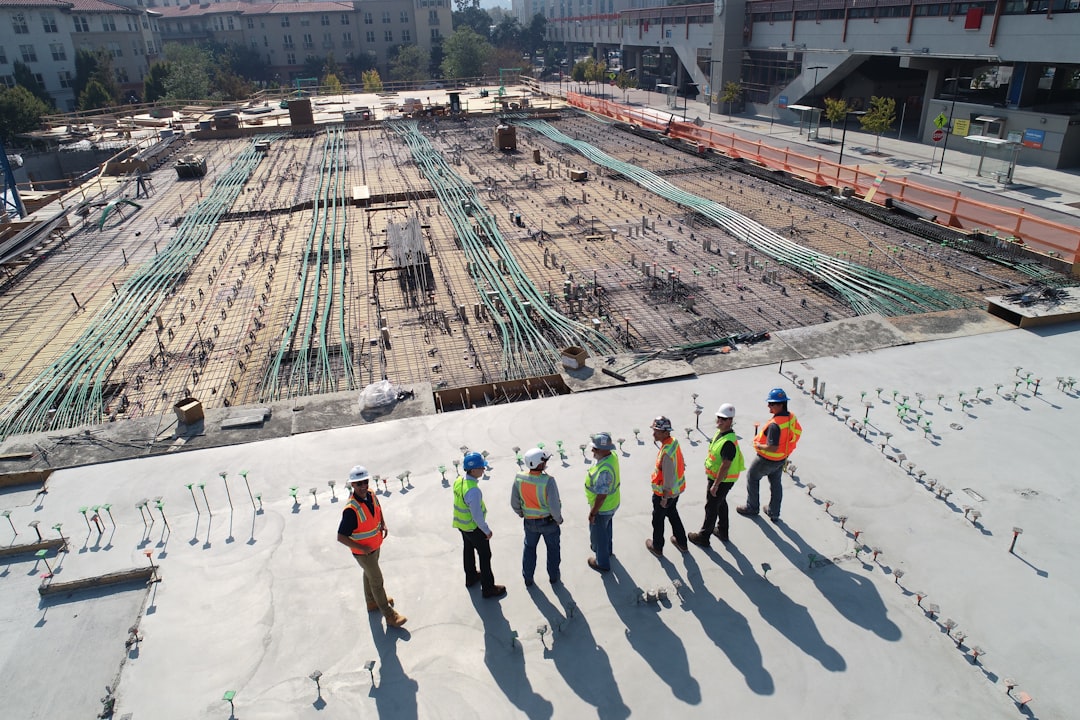

Steel bars must be arranged carefully to meet specific engineering demands. For multi-storey buildings, cages are custom-made to exact dimensions and load requirements. If these cages aren’t fabricated with precision, weak points can form, compromising the entire structure. A frequent misstep is opting for cheaper, less thorough fabrication methods, which often leads to costly repairs or safety hazards down the line.
The choice between welding and tying the steel bars also affects the cage’s performance. Welded joints create a firmer bond, reducing movement under stress, while tied joints, though quicker and cheaper, may allow slight shifts that weaken the cage over time. Business owners should consider these differences when planning their projects. Environmental factors during installation, such as temperature and humidity, also influence cage integrity and should not be ignored.
It’s a mistake to assume all reinforcement cages serve the same purpose. Residential buildings usually require simpler cages than industrial sites, where heavier loads demand additional reinforcement. Knowing the variations helps avoid overbuilding or underbuilding the structure. Engineers rely on detailed drawings and specifications, but miscommunication about these details can cause delays or errors on site.
Dewatering during excavation is another practical concern. Excess groundwater can destabilise soil and complicate cage placement. Effective water management before installation ensures the soil remains firm enough to support the cage properly. Skipping this step can lead to uneven foundations and structural problems later.
Understanding reinforcement cage fabrication is a smart move for anyone managing construction projects. Using high-quality fabrication techniques paired with correct installation practices results in safer, longer-lasting buildings that meet regulatory standards. It’s wise to review engineering documents closely and maintain clear communication between fabricators, engineers, and contractors throughout the process.
The equipment used in making these cages matters just as much. Precision cutting and bending machines produce steel bars that fit perfectly within design tolerances, reducing waste and speeding up assembly. Investing in reliable machinery pays off by lowering rework rates and avoiding costly mistakes common with manual fabrication methods.
To protect your investment, pay close attention to how reinforcement cages are produced and installed. Keeping up-to-date with best practices helps avoid safety risks and ensures your projects stand strong for years. For additional guidance on related construction steps, check out foundation construction advice, which covers practical aspects beyond just cage fabrication.