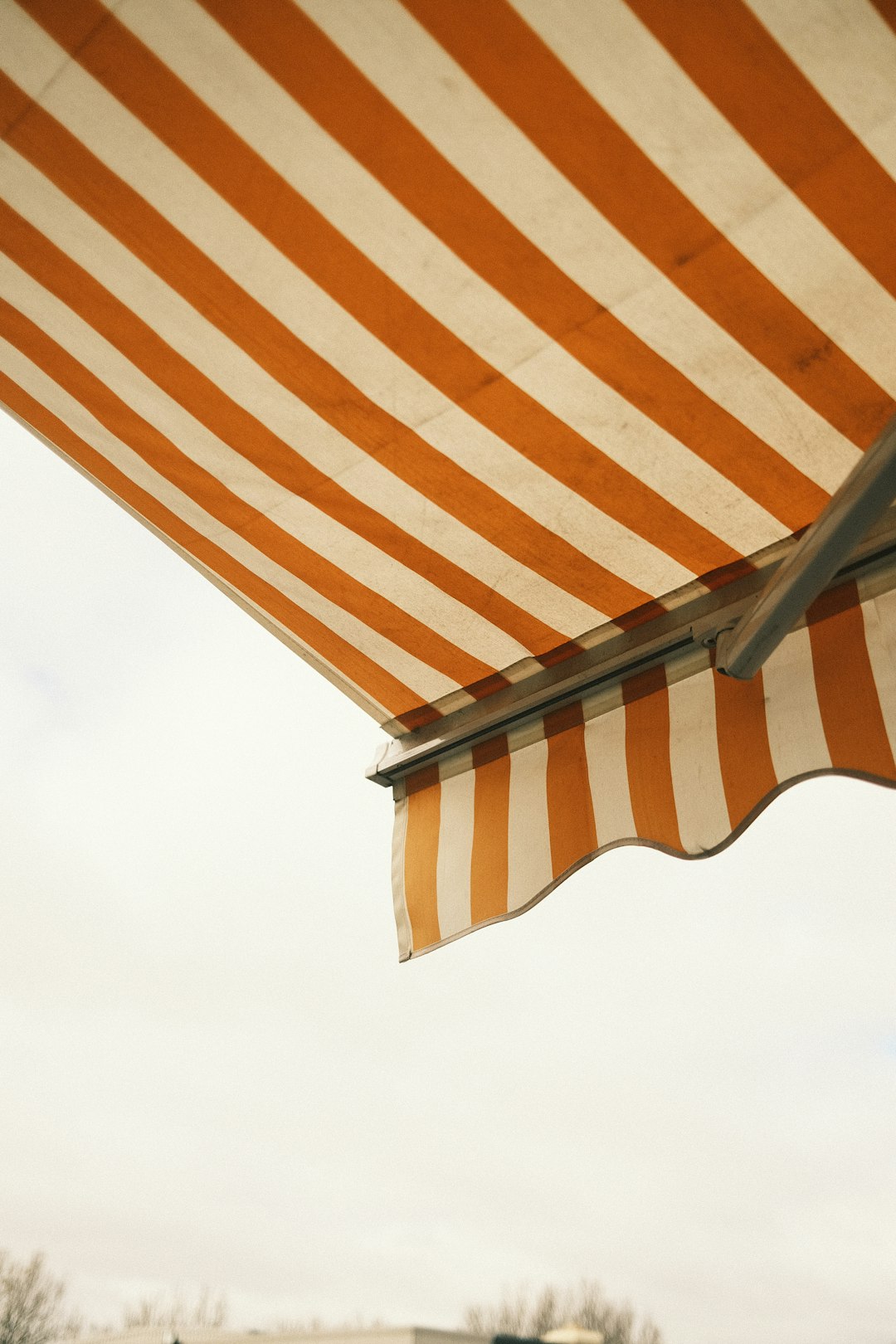

If the awning isn’t mounted level, one side may sag, allowing rainwater to pool and cause mildew or fabric damage. I’ve seen cases where uneven mounting led to fabric tears within months. Hiring experienced installers who use spirit levels and secure fastenings prevents these issues from the start. Weather conditions can also wreak havoc on electric awnings. Leaving them extended during strong winds or heavy rain strains the mechanism and shortens its life. Many owners forget to retract their awnings during storms, leading to costly motor repairs or fabric replacements. Installing wind sensors that automatically retract the awning when gusts pick up is a smart practical step.
Regular maintenance keeps your awning operating well. Dirt and grime buildup can degrade the fabric and clog moving parts. Cleaning with mild soap and water every few weeks, especially after storms, helps maintain appearance and function. Checking seams and joints for wear and tightening loose bolts saves headaches later. Small tears or frayed edges should be repaired quickly to avoid bigger damage. If you’re thinking of upgrading or installing a new electric awning, look for models with built-in safety features like automatic retraction and fabrics with UV protection. These extras extend the lifespan and improve daily use, protecting against sun damage and fading.
For example, electric awnings devon come in various designs that combine style with practical functions suited to local weather patterns. Reading your model’s manual thoroughly is a habit that pays off. It’s common for users to miss simple fixes detailed in the instructions or misunderstand warranty coverage. Keeping a copy of the manual handy makes troubleshooting easier and avoids unnecessary service calls. Also, some warranties require regular maintenance records to remain valid, so keep receipts from cleaning or repairs. Finally, if you ever need advice about upkeep or replacement parts, don’t hesitate to visit . They offer straightforward guidance that helps you manage minor problems yourself and extend your awning’s useful life.