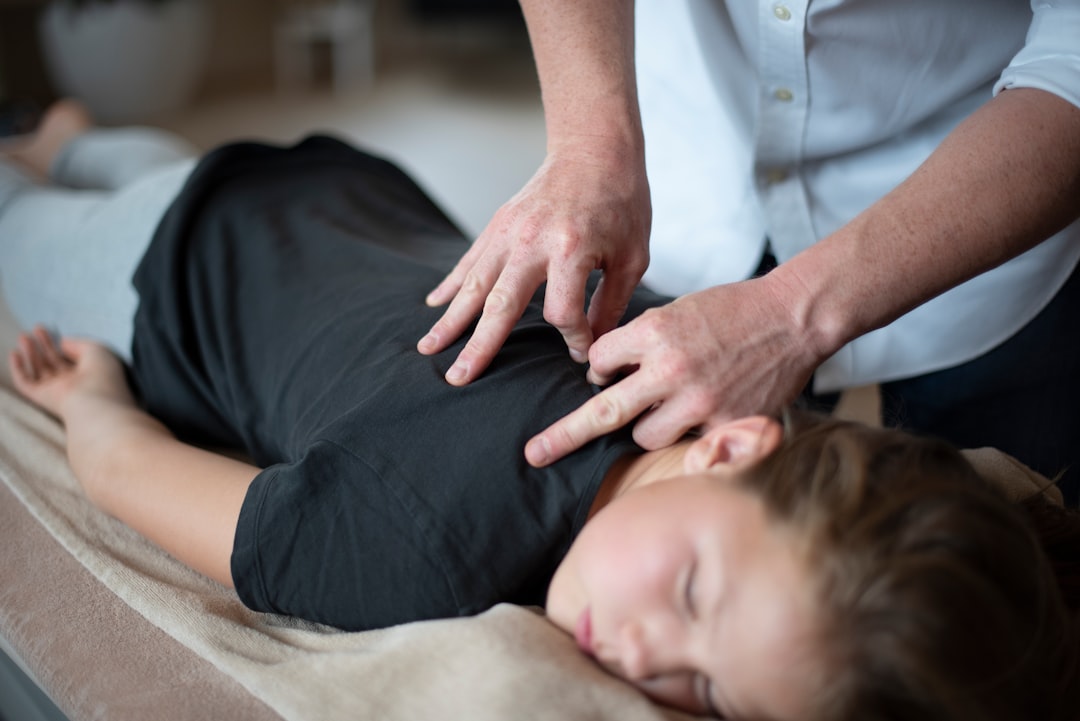
Osteopathy can play a significant role in enhancing women’s health across various life stages. From adolescence to post-menopause, women experience a range of physical and physiological changes that can benefit from the support of an experienced osteopath. This hands-on approach to healthcare focuses on the musculoskeletal system and its relationship with the rest of the body, aiming to promote overall wellbeing, alleviate discomfort, and restore natural balance.
One key area where osteopathy proves beneficial is in managing menstrual-related issues. Many women suffer from premenstrual syndrome (PMS), irregular cycles, or painful periods. Osteopathic techniques can help to improve blood flow, reduce muscular tension, and encourage hormonal balance, leading to more manageable symptoms. By addressing the underlying structural imbalances, osteopaths can work to decrease the severity of cramps and other menstrual discomforts.
Pregnancy brings with it many physical changes that can be challenging to manage. As the body adjusts to support a growing baby, it often leads to postural shifts, back pain, and pelvic discomfort. A women’s health osteopath can provide tailored treatments that support the body during this transformative time. Osteopathic care during pregnancy not only aims to relieve pain but also enhances mobility and prepares the body for labour. Postnatal care is equally important, helping new mothers recover from childbirth and adapt to the physical demands of caring for a newborn.
The menopausal transition is another phase where osteopathy can offer support. Hormonal fluctuations during menopause often result in joint stiffness, fatigue, and issues like osteoporosis. Osteopathic treatment can help improve joint mobility, support bone health, and provide relief from muscular aches. By offering a holistic approach, osteopaths can support women in maintaining an active and comfortable lifestyle through midlife and beyond.
Women who are physically active or involved in sports may also benefit from osteopathic care. Whether it’s preventing injuries, improving performance, or aiding recovery, osteopathy can support the unique biomechanical needs of women in sport. Through a combination of manual therapy, exercise advice, and postural assessments, osteopaths help female athletes stay in peak condition.
Beyond physical symptoms, osteopathy also recognises the importance of mental and emotional wellbeing. Chronic pain, hormonal imbalances, and structural issues often affect mood and stress levels. Osteopathic treatments, by promoting relaxation and relieving discomfort, can contribute to improved mental health. The holistic nature of osteopathy ensures that emotional wellbeing is taken into consideration alongside physical symptoms.
Accessing osteopathic care tailored to women’s health needs is increasingly straightforward. Many practices now offer services specifically focused on female health concerns, ensuring that treatments are designed with women’s bodies and experiences in mind. Whether managing chronic conditions, navigating life transitions, or simply enhancing overall wellness, osteopathy presents a supportive and personalised approach.
If you’re seeking a natural, non-invasive method to support your health, exploring the services of a qualified osteopathic clinic could be a step in the right direction. With a focus on addressing the root cause of issues rather than simply treating symptoms, osteopathy empowers women to take control of their health in a proactive and informed way.