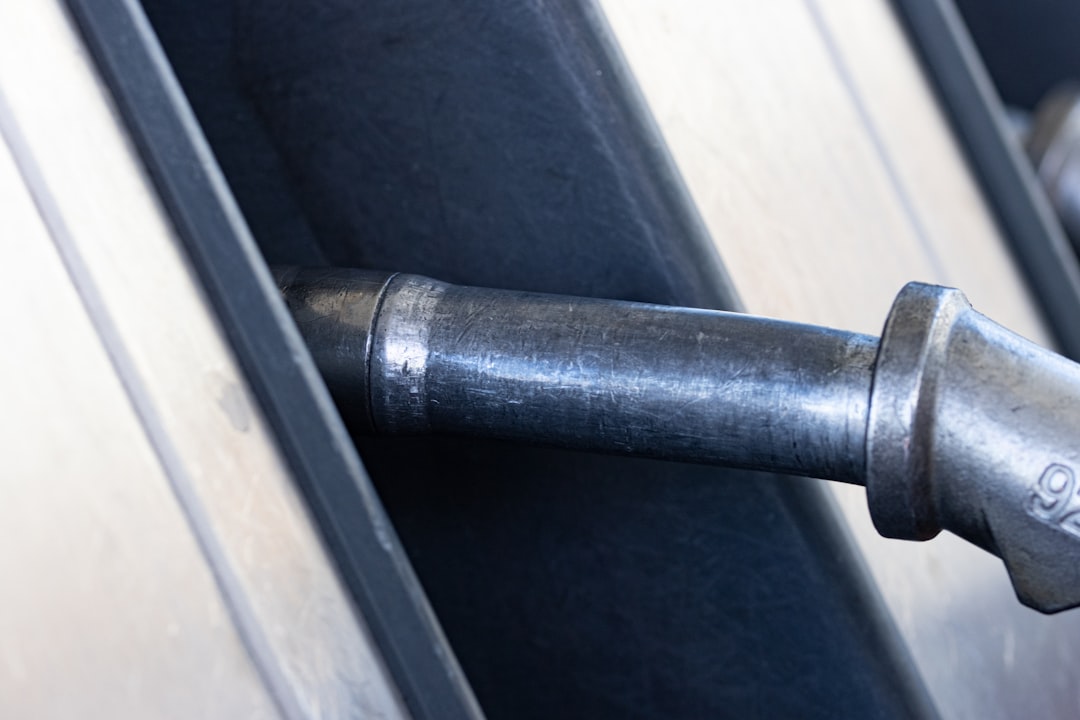
Disposing of containers that held hazardous materials can be a daunting task for many businesses. Regulations are strict, and improper handling can lead to serious safety risks and potential legal trouble. Efficient cleaning of these containers is not just about following rules; it’s about preventing contamination and protecting workers. A practical tool for this job is the jet rinse nozzle, built specifically to carry out the triple-rinsing process required for empty containers. It simplifies what can be a tedious task by delivering powerful water jets that clean thoroughly inside each container.
Why choose a jet rinse triple-rinsing nozzle? Conventional rinsing methods often fall short, they can miss stubborn residues or take too long. The jet rinse nozzle uses high-pressure streams of water to reach every surface inside the container, breaking down and flushing out chemical remains effectively. This method helps reduce environmental hazards and supports compliance with EPA guidelines for hazardous waste management.
Setting up the jet rinse nozzle is straightforward. Connect it to a pressurized water source, making sure pressure levels meet the nozzle’s specifications for optimal performance. Secure the container under the spray, activate the nozzle, and high-velocity jets will target the interior surfaces. The entire rinsing cycle typically finishes in under a minute per container, which fits well into busy operational schedules where downtime is costly.
The nozzle’s design includes features that matter on the ground. It meets EPA standards, which is critical for avoiding fines or compliance issues related to hazardous waste disposal. The triple-rinse capability ensures containers are cleaned deeply enough to meet regulatory standards before recycling or disposal. Businesses often keep a checklist or log during rinsing to document compliance steps, which helps prevent misunderstandings during inspections.
Using this nozzle also cuts down on labor time and effort. Workers can rinse containers quickly without sacrificing thoroughness, freeing them up for other tasks. A common pitfall is rushing rinsing without proper tools, leading to residue left behind and rework later. The jet rinse nozzle minimizes this risk by delivering consistent, repeatable cleaning results that reduce errors and improve workplace safety.
The tool’s ergonomic handle provides a comfortable grip, reducing hand fatigue during repeated use. Many models offer adjustable spray patterns so users can tailor the water jets to different container sizes and shapes, ensuring every nook gets cleaned. Operators often mark containers by size or type to select the right spray setting faster, cutting down on confusion and speeding up the process.
A realistic challenge is dealing with containers that have stuck-on residues or irregular shapes where water can pool. The jet rinse nozzle’s strong pressure helps dislodge these areas more effectively than manual rinsing with buckets or brushes. Still, operators sometimes perform a quick visual check after rinsing to catch spots missed by the jets, especially around seams or corners.
Businesses serious about safe chemical handling find the jet rinse nozzle a practical asset. It fits into existing waste management workflows without causing major disruptions. For more details on how this tool can improve your rinsing process, check out jet rinse nozzle options available today.
For additional resources about managing hazardous materials safely and efficiently, visit hazardous waste guidelines resource.