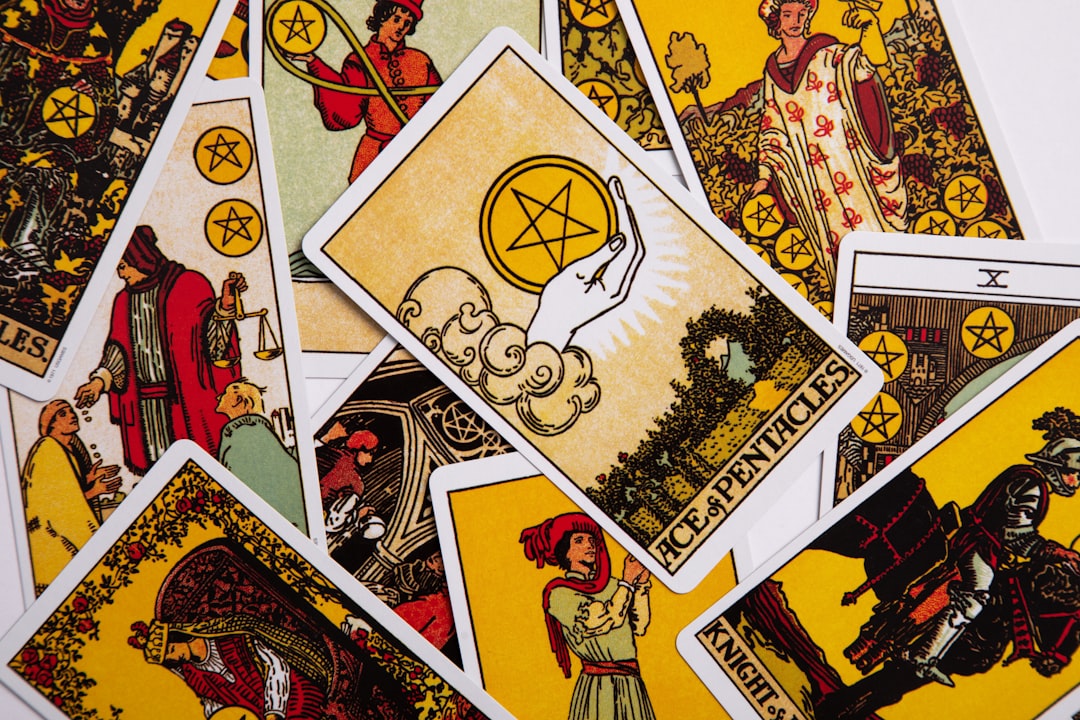

Tarot uses a deck of 78 cards, each with distinct symbols and meanings connected to areas like work, relationships, and personal growth. For instance, the Tower card often signals disruption or sudden shifts, urging you to rethink your approach when plans fall apart. Understanding what each card suggests can shift how you see your situation, sparking new ideas or caution.
Business owners often face unclear market conditions. Pulling a card like the Seven of Pentacles points to patience and steady progress rather than quick wins. That kind of insight can steer an entrepreneur toward long-term planning instead of chasing short-term gains. Tarot doesn’t predict the future; it prompts reflection and helps identify feelings or assumptions that might otherwise go unnoticed.
Tarot can also be useful in resolving workplace tensions. When the Two of Cups appears, it highlights relationships and potential reconciliation. This can encourage leaders to pay closer attention to emotional undercurrents within their teams and find ways to improve communication. In practice, a leader might follow up a reading by scheduling one-on-one chats to clear up misunderstandings, a step that often prevents bigger conflicts later.
Approach tarot with an open mind but stay critical. Not every reading will resonate. The reader’s skill and interpretive ability make a big difference. Some experts lean toward psychological interpretations rather than mystical ones, focusing on how the cards prompt self-awareness rather than fate. For those curious about the experience, joining group sessions like tarot readings can provide a supportive space for discussion and reflection.
It’s common for people to dismiss tarot as just entertainment, yet it encourages asking deep questions about your choices and values. The real value lies in its role as a tool for self-examination rather than a source of answers. People who use tarot regularly often keep notes about their readings and revisit them later to track how their thoughts or situations evolve over time.
Including tarot in your routine doesn’t mean you have to buy into mystical claims. Think of it as a prompt for critical thinking about your circumstances. Engaging with the imagery and symbolism can unlock perspectives you hadn’t considered before. For further exploration on self-reflection techniques beyond tarot, check out insightful self-reflection methods.
A practical detail worth mentioning: experienced readers often start sessions by clarifying the querent’s question and creating a calm environment free from distractions. This focus helps avoid confusion and ensures the interpretation is relevant. It’s also common to draw cards in specific spreads, like the three-card past-present-future layout, which structures the reading and gives clearer context.
Finally, remember that tarot is only one tool among many for understanding yourself and your decisions. Combining it with other methods, journaling, talking with trusted colleagues, or consulting data, creates a fuller picture. The cards don’t tell you what to do; they help you see what you already know in a new light.