
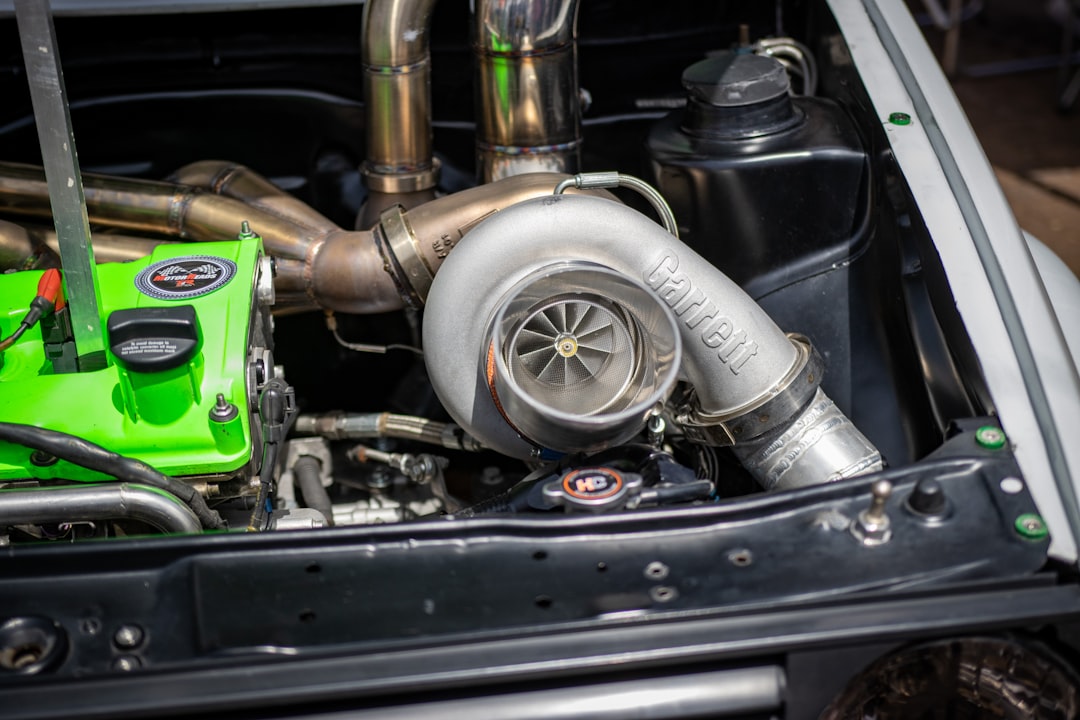
At car meets, the distinct sound of a turbocharged engine often turns heads and sparks lively discussions. Yet, among the enthusiasm, there’s often confusion about what HPT turbos actually do. Knowing their function and applications can save you from costly mistakes whether you’re upgrading your personal ride or managing a fleet.
HPT turbos boost engine performance by compressing the air entering the combustion chamber. This means more oxygen for combustion, allowing your engine to burn fuel more efficiently and generate more power. For business owners running delivery vehicles, this can translate to better fuel economy and quicker acceleration during busy hours. A practical detail: regularly checking turbo oil lines for leaks can prevent premature failure, especially in high-mileage vehicles.
Not all turbos are built alike. Some focus on delivering torque early in the RPM range, while others are tuned for peak power at high revs. Choosing a turbo without matching it to your engine’s characteristics can cause lag or insufficient boost. A common pitfall is overlooking the importance of matching compressor and turbine sizes to your engine’s displacement and intended use.
Exhaust flow is key to turbo efficiency. A restrictive exhaust system chokes the turbine, reducing spool time and overall boost response. Upgrading headers or removing catalytic converters without considering emissions laws can cause problems down the line. Many installers recommend using a wastegate actuator and blow-off valve tuned specifically for your setup to manage boost pressure accurately.
Tuning is not optional. Installing a turbo alone won’t optimize performance or protect your engine. Fuel mapping, ignition timing, and boost control must be adjusted to prevent lean conditions or detonation. A practical habit is to always run a wideband oxygen sensor during tuning sessions to monitor air-fuel ratios in real time. Businesses relying on consistent vehicle performance find professional dyno tuning indispensable.
If you want to explore specific options, consider HPT Turbos. These setups are designed with particular engine types in mind, offering varying boost ranges and durability features. Reading installation manuals carefully before starting work can avoid delays, many enthusiasts underestimate how much time is needed to properly route oil and coolant lines.
Quality turbos from reputable brands tend to improve engine longevity by maintaining better combustion conditions and reducing stress on internal parts. Consistent maintenance, including timely oil changes with turbo-grade lubricants, extends turbo life significantly. Fleet managers should track these intervals closely to avoid unexpected downtime.
Joining local car clubs or online forums dedicated to turbocharging provides valuable insights from people who’ve tested different setups extensively. Peer advice often covers real-world issues like noise complaints or installation quirks that manuals don’t mention. For additional technical resources and parts, check out turbocharger upgrade options, a handy site with detailed guides and product lists.