
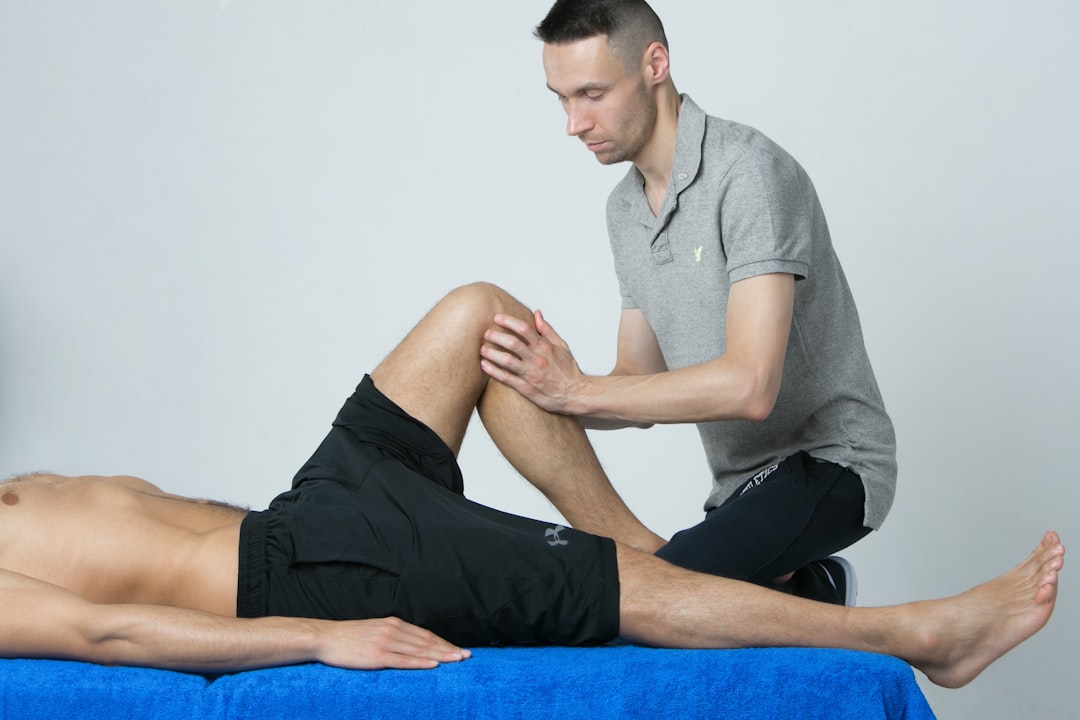

A widespread myth is that all physiotherapists offer the same treatment. That’s far from reality. Sports physiotherapists dig into the demands of athletic performance and injury patterns unique to sports like AFL. They design rehab protocols based on individual needs rather than a one-size-fits-all approach. Take an ankle sprain, rehab might include balance drills and plyometric exercises to restore stability, whereas a lumbar strain calls for core strengthening and posture correction. This differentiation is key to a safe return to competitive play.
Some athletes believe physio is only necessary after injury. In fact, preventative physiotherapy can save you from downtime. Early assessments often involve analyzing movement patterns and muscle imbalances that aren’t obvious but raise injury risk. Identifying a weak hip abductor or limited ankle dorsiflexion early lets therapists create exercises to address these issues, reducing chances of strains or overuse injuries later on. These prehabilitation steps also improve overall athletic function.
Expecting a quick fix is another trap athletes fall into. Rehab demands patience and persistence. A solid program blends manual therapy techniques like soft tissue release with progressive exercise plans and education about managing symptoms and avoiding setbacks. For instance, after knee surgery, you’ll start with gentle range-of-motion exercises before advancing to strength building and sport-specific drills. Ignoring gradual progression often results in re-injury or chronic problems.
Starting with sports physiotherapy begins with a thorough evaluation. Therapists assess your joint mobility, muscle strength, flexibility, and functional movement relevant to your sport. They also review past injuries and training loads, details that help shape a tailored plan. This personalised approach ensures recovery targets your weak points while enhancing performance. Many clinics use video analysis too, which offers real-time feedback on technique flaws that can lead to injury.
Your recovery journey benefits enormously from expert care that considers all angles of your health and sport demands. Pro Performance Physiotherapy offers such an approach with customised plans designed around your specific condition and goals. Whether you need focused sports physio or general rehab, their work aims to get you back on the field stronger and smarter about your body’s limits. Recognising early warning signs like persistent tightness or uneven stride and seeking prompt treatment often prevents minor issues from becoming season-ending.
If you’re serious about your athletic performance, connecting with a dedicated sports physiotherapist is a smart move. They don’t just treat injuries but educate you on biomechanics and injury prevention strategies tailored to AFL players’ needs. This hands-on knowledge helps you manage your body better during training and games, reducing unnecessary strain. It’s common for athletes to underestimate how much their posture or running technique contributes to recurring problems until a therapist points it out.
Additional services such as pre- and post-operative rehabilitation or strength conditioning programs complement regular training effectively. These services ensure you maintain fitness levels while recovering from surgery or injury. Clinics often provide detailed exercise logs and progress checklists, which help maintain consistency outside sessions, a small but vital habit that prevents wasted effort or missed improvements. Understanding how these services fit into your regimen can change how you approach both training and recovery.
For tailored support that fits the demands of AFL, consider reaching out for advice on injury prevention strategies for athletes. Having a structured plan informed by real-world experience makes all the difference in staying competitive and healthy throughout the season.