
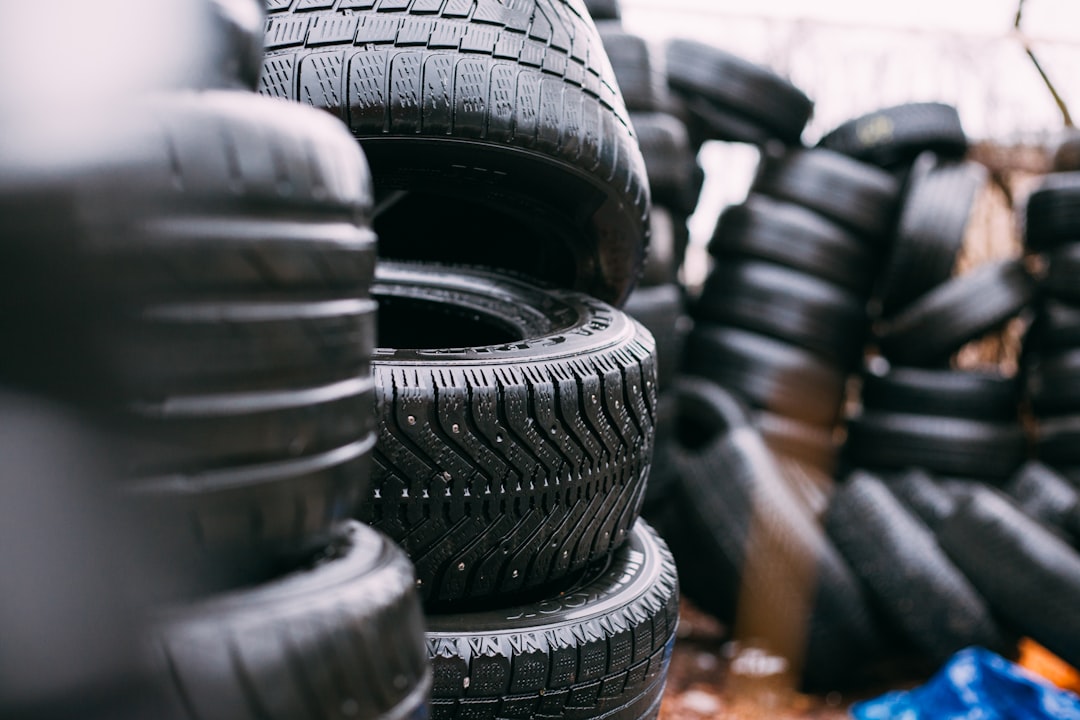
Choosing the right tyres for an SUV is not simply a matter of brand preference or price. It involves understanding the unique demands of larger vehicles, the driving conditions they face, and the expectations of performance, safety, and durability. SUVs often carry heavier loads and travel across a broader range of terrains than standard passenger cars. As a result, the tyres fitted to these vehicles must meet higher standards of construction and reliability.
One of the key considerations when selecting SUV tyres is the type of driving the vehicle will be used for. Some SUV owners spend most of their time on sealed roads, using their vehicles primarily for commuting or urban errands. Others may regularly encounter gravel, mud, or sand, especially in rural or off-road conditions. Tyres designed for highway use may offer quieter rides and better fuel efficiency, while all-terrain variants provide the grip and resilience needed for rougher surfaces. Understanding the balance between on-road comfort and off-road capability is essential.
Tread pattern is another crucial factor. Highway terrain tyres feature tighter tread blocks and shallow grooves, optimised for smooth handling and reduced rolling resistance. All-terrain tyres, on the other hand, often have deeper, more aggressive tread patterns that enhance grip on loose surfaces. This design, while noisier on bitumen, improves traction and control in diverse conditions. Drivers should assess their daily routes and potential adventures before deciding which tread type best suits their needs. For those looking to explore the best suv tyres available, it’s helpful to compare the different tread designs and their intended purposes.
Durability is especially important for SUV tyres, given the added weight and often demanding usage. Reinforced sidewalls and higher load ratings are common features in quality SUV tyres. These elements help prevent punctures and sidewall damage, especially when driving on jagged terrain or carrying heavy cargo. Tyres with robust construction not only last longer but also contribute to greater vehicle stability and safety.
Weather should also influence tyre selection. While Australia’s climates vary significantly by region, many SUV drivers will encounter both wet and dry conditions throughout the year. Tyres with reliable wet-weather performance reduce the risk of aquaplaning and can significantly improve braking efficiency during rain. Look for models that include silica-based compounds or specially designed grooves that channel water away from the contact patch effectively. These features enhance grip and control during adverse conditions.
Noise and comfort are additional aspects that shouldn’t be overlooked. Some tyres are engineered to minimise road noise, making them ideal for long-distance touring or daily urban travel. Comfort is not only a matter of luxury; it contributes to overall driver focus and fatigue reduction. Tyres that reduce vibration and offer a smooth ride can make a significant difference, especially on longer journeys. The compound used in the tyre and its internal structure both play a role in these comfort levels.
Maintenance and tyre longevity also come into play. Regular rotation, balancing, and proper inflation are essential to maximise tyre life. However, the initial quality of the tyre’s rubber compound and its resistance to wear are equally important. High-quality SUV tyres are typically engineered to wear evenly and retain their performance characteristics over a longer period. This can result in fewer replacements and lower long-term costs. For more information on how modern tyre designs cater to different driving styles and conditions, visit this comprehensive tyre guide.
Ultimately, the best SUV tyres strike a thoughtful balance among grip, durability, comfort, and efficiency. They must be suited not only to the vehicle but also to the driver’s lifestyle. Whether commuting through city streets, navigating gravel backroads, or embarking on cross-country adventures, the right set of tyres can significantly enhance performance and safety. Investing time in understanding tyre specifications and matching them to practical driving needs ensures a more confident and enjoyable driving experience.