
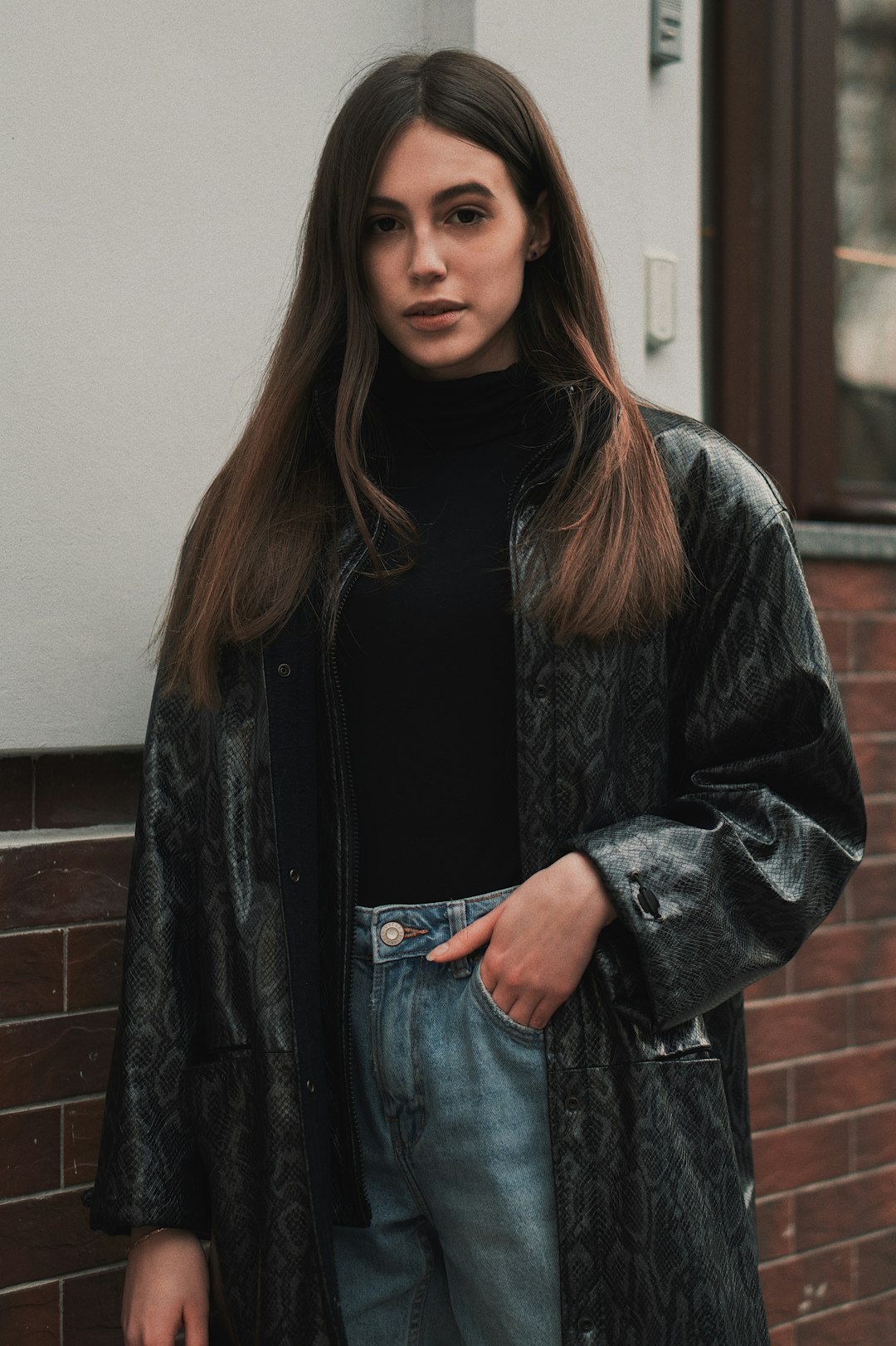

Start with simple digitals, also called snapshots. Ask someone to photograph your face, profile and full body in daylight against an uncluttered background. Wear plain, close-fitting clothing and keep makeup and hair styling restrained. A casting team is trying to see your present appearance, not a heavily edited version of it. Take several frames rather than relying on a cropped phone selfie, then select images that are sharp and relaxed. Record your height, clothing size, shoe size, hair colour and location in one document. Check those details before every submission, especially if your measurements have changed.
Digitals and a portfolio serve different purposes. Digitals provide a current reference, while portfolio images show how you respond to direction and lighting. A beginner usually gains more from a small set of varied photographs than from a large folder of similar poses. Useful options might include a clean headshot, a natural outdoor image, a simple fashion look and a warm commercial expression. Someone aiming for online retail work may need clear images in several garments rather than dramatic editorial photographs. Retouching should not alter your recognisable features. If a client is surprised by your appearance at a casting, the images have not done their job.
A casting is not a booking. It is an assessment for a particular job, and the client may be considering several people who all meet the basic requirements. The brief might specify an age range, clothing size, mood, location, shoot date or ability to perform a particular action. Read it slowly and check whether you can genuinely meet the request before replying. At the appointment, plain clothing is often safer than an outfit that distracts from your appearance. Save the address, contact name and call time in your calendar, then allow extra travel time. Rejection may reflect a client’s precise visual idea, not a failure on your part.
Presentation skills improve with focused practice. Good posture involves more than standing straight; your shoulders, hips, head and feet should look balanced rather than locked. For a runway exercise, practise a controlled pace, relaxed shoulders, a steady gaze and a clean turn on a safe, clear surface. Record a short walk from the front and side, then review one habit at a time. Looking at the floor, rushing the turn or swinging the arms are easier to correct separately than all at once. For still photographs, practise changing expression without moving your entire body, and hold each position long enough for the photographer to adjust the frame.
Reliable conduct matters after the photographs are ready. Reply to messages clearly, confirm the call time and tell the relevant contact promptly if illness, travel trouble or another genuine problem affects your availability. Before accepting paid work, ask for the fee, payment timing, image usage, shoot location, hours and included expenses in writing. Usage describes where and for how long a client may publish your image; it is not automatically limited to the place where the photograph was first shown. Keep the brief, messages and final agreement in a folder. That small habit prevents arguments over dates, travel reimbursement or whether extra promotional use was discussed.
Training can provide structure if you need guided practice with posing, movement, grooming, confidence and casting etiquette. The useful question is not whether a course promises a career, but what you will practise, who will teach it and what feedback you receive. A longer programme may suit someone who feels tense in front of other people and wants time between sessions to build confidence. Supervised test shoots and local creative projects can also reveal how you take direction. If you are researching how to start modelling, compare the curriculum, costs and support in writing rather than judging a course by polished promotional images alone.
Protect yourself while pursuing opportunities. Be wary of anyone creating pressure around immediate payment, guaranteed bookings or an urgent makeover. Ask what a charge covers, avoid sending intimate images and leave a conversation if the request makes you uncomfortable. A sensible first month might include preparing digitals, practising twice each week, researching suitable agencies or clients and submitting a few well-matched applications. Review each new photograph for a specific purpose before adding it to your portfolio. Guidance about practical modelling preparation can be useful when you want clearer standards for your images, conduct and next casting.