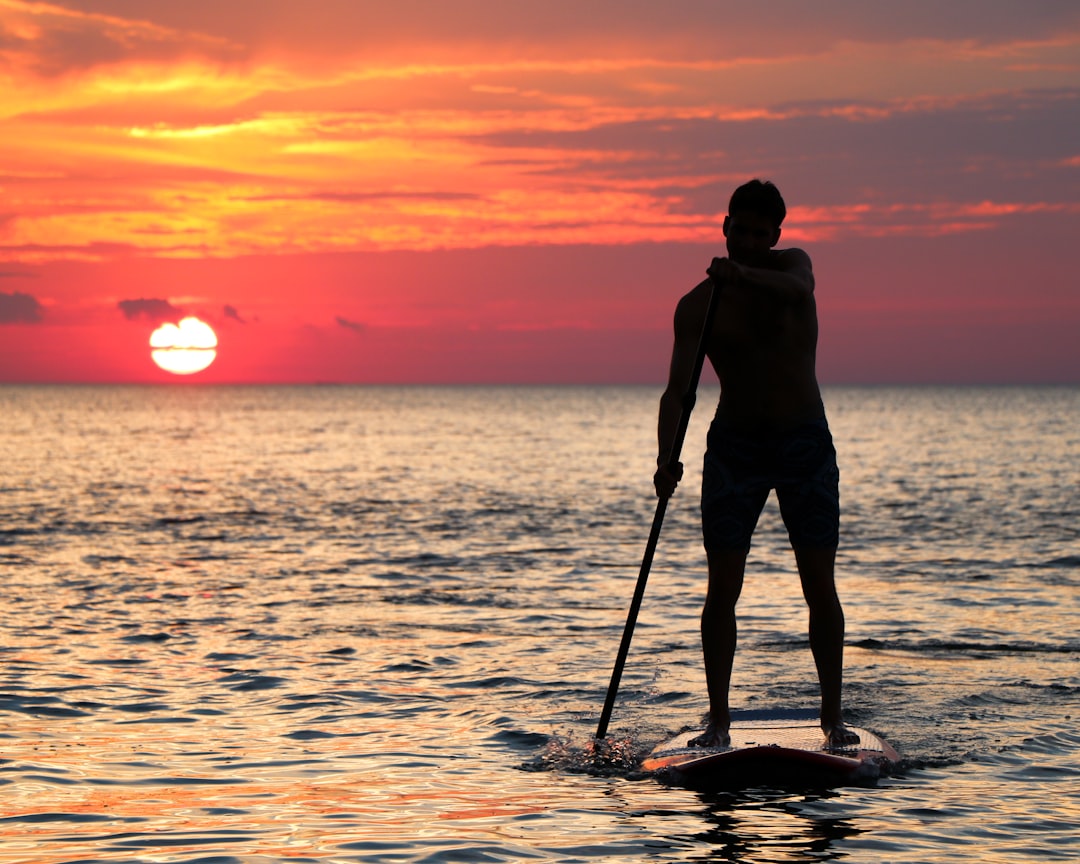
Early mornings on the water offer a quiet space where anglers can focus on fishing without distractions. Stand up paddle boards add a new dimension to this experience, giving anglers a clear view into the water while staying agile and balanced. Unlike traditional boats, paddle boards allow you to approach shallow areas silently, making it easier to spot and catch fish. A good paddle board for fishing should be stable, with enough room for your gear and an anchor system to hold your position when you find a promising spot.
One vital piece of equipment for paddle board fishing is a sturdy fish stringer. This simple tool keeps your catch secure and accessible as you continue fishing. Heavy-duty stringers that resist corrosion and have strong clips are best, especially if you’re out in saltwater. Anglers often use multiple stringers or ones with several attachment points to manage different sizes of fish and avoid tangles. Storing your catch on the board without it drifting away saves time and effort.
Efficient gear storage is another challenge on a stand up paddle board. A collapsible bucket with a tight-fitting lid serves multiple purposes: holding bait, storing caught fish, and even carrying small tools. These buckets fold flat when not in use, which helps keep your board uncluttered. Organizing tackle boxes, pliers, and other essentials in waterproof bags also prevents gear from falling overboard. Experienced paddlers recommend securing all items with bungee cords or straps to keep them steady during movement.
Safety gear can’t be overlooked either. A SUP paddle leash is more than just convenience; it stops your paddle from floating away if dropped. Losing your paddle far from shore can quickly turn dangerous, especially in windy or current-heavy conditions. Additionally, always wear a personal flotation device that fits well and doesn’t restrict movement. Checking weather forecasts before heading out is a habit that most seasoned anglers follow to avoid sudden storms or rough waters.
For anglers who want more from their time on the water, bringing snorkeling gear can open up new possibilities. Masks and fins pack easily and let you inspect underwater areas up close when conditions allow. This can help identify fish habitats or check bottom structures that attract game fish. Combining fishing and snorkeling breaks up the day and keeps the outing interesting, especially on longer trips.
Planning your trip involves more than just packing gear. Knowing local regulations on catch limits, sizes, and protected species is necessary to stay compliant. Many anglers carry a laminated copy of local rules or save a digital version on their phone for quick reference. Choosing stand up paddle boards designed for angling means you get features like rod holders, non-slip surfaces, and storage compartments that suit your style of fishing.
Community interaction also enhances the paddle board fishing experience. Sharing tips on local hotspots or rigging techniques can make a big difference, especially for newcomers. Some anglers find it useful to join online forums or local clubs where people swap advice about gear setup and safety practices. These exchanges often reveal small tricks, like how to rig a stringer to avoid snagging or the best way to balance weight on your board.
Fishing from a stand up paddle board demands some practical adjustments but rewards you with access to spots traditional boats can’t reach easily. It blends exercise with angling, making the outing both active and rewarding. For those serious about this sport, checking resources like fishing gear essentials can provide useful information on equipment choices and maintenance tips that keep your setup ready for the next trip.