
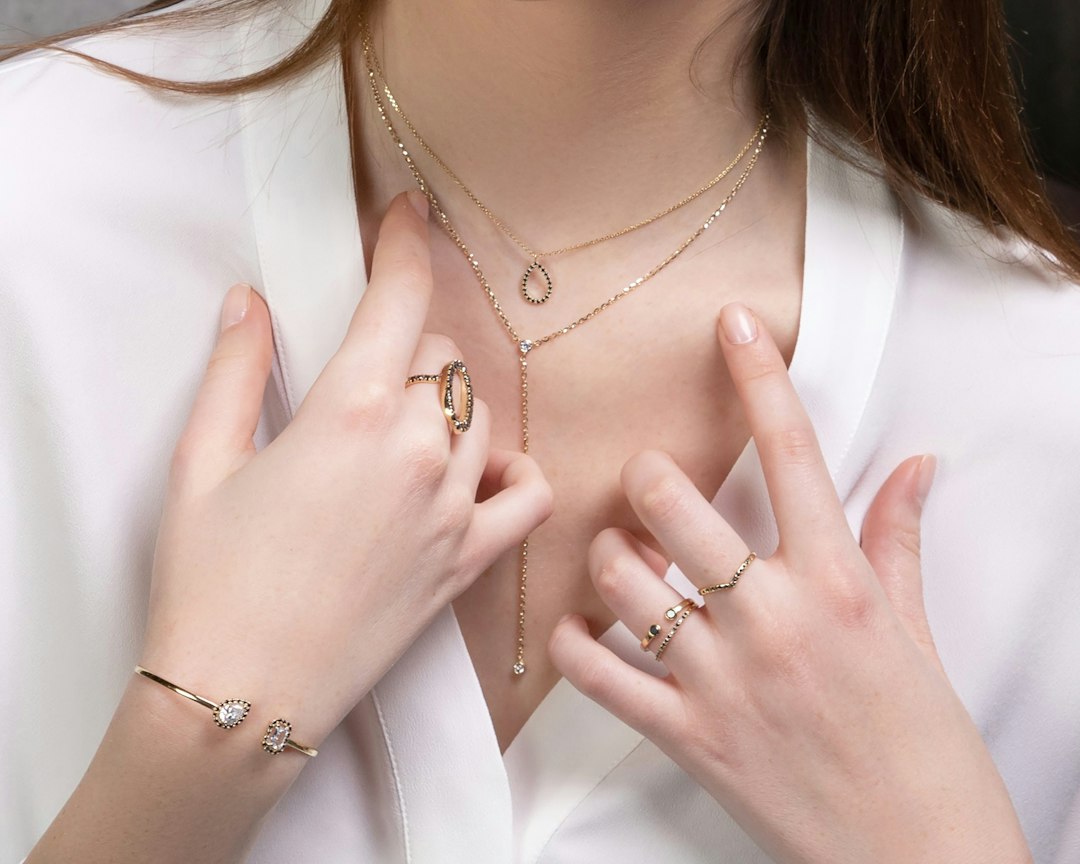

The right specialist depends on the result you want. A repair shop can often resize a band, replace a clasp, or rebuild a worn prong. A designer experienced with repurposed designer jewelry may be better suited to combining unrelated pieces into one balanced object. Look for transformation examples, not only photographs of newly made work. Ask how the maker decides which parts can be reused and whether any components will be melted, cut, or discarded. That conversation should happen before a deposit, since some changes cannot be reversed once a stone or setting has been altered.
Bring every scrap of information you have. An appraisal, purchase receipt, insurance schedule, family note, or inscription can help establish a piece’s history, even though provenance does not by itself prove monetary value. The jeweler should examine hallmarks, which may indicate metal content or origin, and test the material rather than identify it by color. A ring described for years as gold could contain a different alloy or plating. Photograph the jewelry before leaving it at the studio, and record loose stones or visible damage so the intake condition is clear.
Materials that look alike may respond differently to heat, soldering, polishing, and everyday moisture. An alloy is a mixture of metals, so old and new components may not match in color or behave well together without planning. Gemstones also differ in hardness, or resistance to scratching, and toughness, or resistance to breaking. A stone that works safely in a pendant may be vulnerable in a ring worn while cooking or gardening. Ask whether each gem will be reset, protected by a bezel, or held with prongs, and whether the proposed setting suits your daily habits.
A clear design brief prevents small misunderstandings from becoming expensive revisions. Note the preferred metal color, approximate band or chain width, stone orientation, and whether an inscription or maker’s mark should remain visible. For example, three modest diamonds from an anniversary ring might form a low pendant, while a large colored stone could become the focal point of a simpler ring. Request a sketch, digital rendering, or wax model when proportions are difficult to picture. CAD, or computer-aided design, helps plan dimensions, but the screen image remains a model rather than a promise of the finished piece.
Set the budget with the hidden steps included. The estimate may cover removing stones, testing metal, cleaning, rebuilding a setting, polishing, sizing, and supplying a new chain or band if the original part is too thin. Ask what happens if disassembly reveals a crack, deep wear, or a stone that cannot safely be reused. Confirm whether revisions cost extra and how approval is recorded before fabrication begins. A practitioner may also recommend an appraisal, written material record, or care instructions. Those documents are useful later if the piece needs insurance, repair, or a replacement component.
Before authorizing the work, ask the jeweler to describe what will remain, what will change, and how the completed piece will be inspected. A discussion about custom jewelry consultations can show whether the maker listens to practical details such as glove use, sleeping in jewelry, or removing a ring for manual work. Choose limited repair if the original form carries the most meaning. Choose a fuller redesign if comfort, scale, or everyday wear matters more. The strongest plan respects the old material while giving the finished piece a role the owner will actually use.