
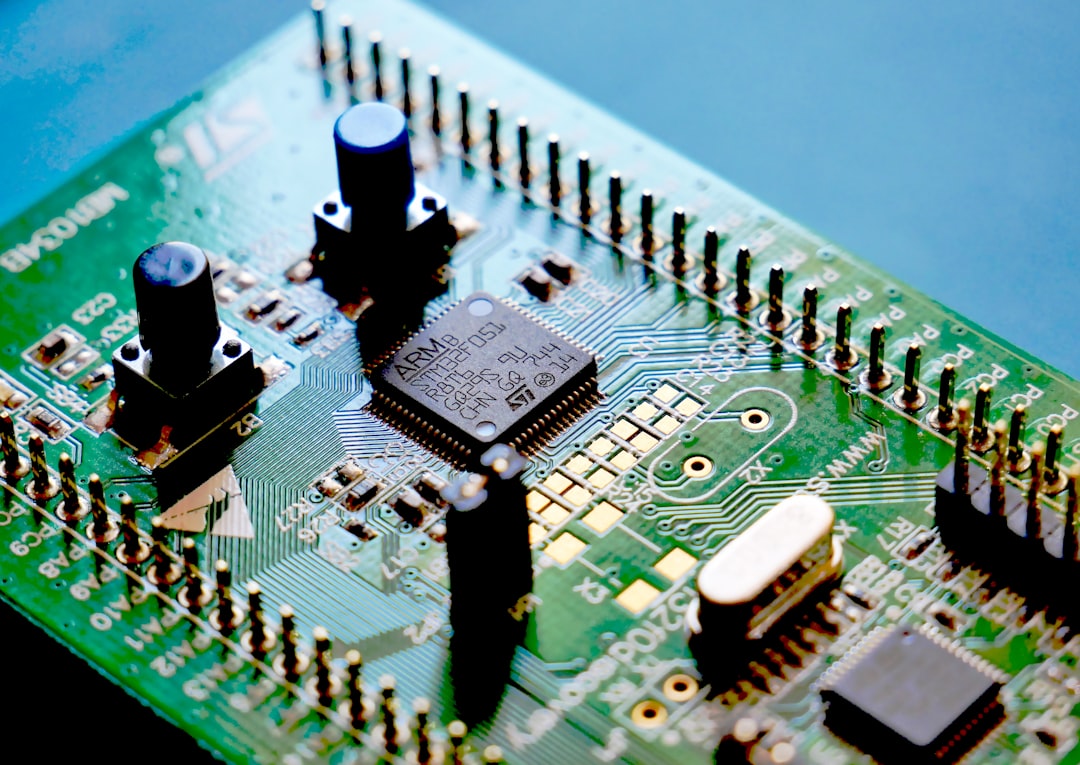
Programming embedded systems is a critical discipline in modern technology, enabling the seamless operation of devices ranging from household appliances to industrial equipment. These systems are purpose-built to perform specific tasks, often with real-time computing constraints. Mastering the programming behind them is essential for engineers aiming to develop reliable and efficient products.
Unlike general-purpose computing, embedded systems operate within tight hardware limitations, such as restricted memory and processing power. This requires a deep understanding of both software design and hardware interaction. Developers must carefully optimize their code while ensuring system stability and speed. As demand for smart devices continues to grow, so does the need for skilled professionals who can create high-performance embedded solutions.
The development process typically involves selecting the appropriate microcontroller, writing low-level code, and integrating it with various hardware peripherals. Debugging and testing are also particularly important due to the lack of user interfaces and limited feedback mechanisms. Engineers often rely on simulation tools and in-circuit debuggers to monitor system behavior and root out issues.
For those interested in diving deeper into programming embedded systems, it’s important to understand the specific requirements of the target application. Real-time operating systems (RTOS), interrupt handling, and power management are just a few of the advanced topics that can significantly affect system performance. Continuous learning and hands-on practice are key to mastering these techniques.
The field also offers opportunities to work with cutting-edge technologies such as IoT, robotics, and automotive systems. Each application brings its own set of challenges and design considerations. For example, safety-critical systems in medical or automotive applications must meet stringent standards for reliability and fault tolerance. Understanding these requirements helps developers design systems that can operate safely under all conditions.
As the complexity of embedded devices increases, so does the importance of collaborative development and version control. Teams must coordinate software updates, hardware changes, and testing procedures to ensure consistent performance across devices. Proper documentation and modular design can also enhance maintainability and scalability.
Whether you’re a student, hobbyist, or professional engineer, there are resources available to help you gain the skills needed to excel in this field. Online tutorials, courses, and development kits can provide valuable hands-on experience. For more information on embedded solutions and technical guidance, visit embedded systems resources.
As we continue to see integration of technology into everyday life, the role of embedded systems will only become more important. By acquiring the knowledge and skills to program these systems effectively, developers can contribute to innovations that improve efficiency, safety, and convenience across industries.