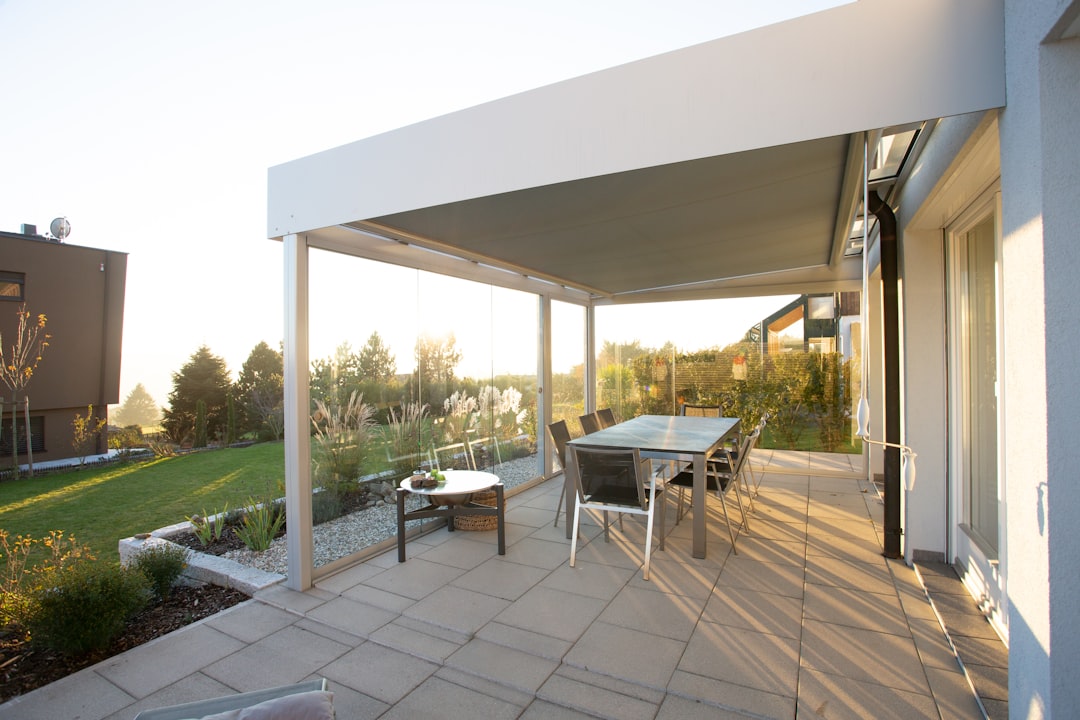

There’s a common misconception that pergolas demand too much upkeep. While some traditional wooden types require regular staining or sealing, many modern pergolas are built from weather-resistant materials such as aluminium or pressure-treated timber. These materials stand up well against Cornwall’s variable weather without frequent maintenance. A hotel owner who opts for these low-maintenance options can focus on guest services rather than spending weekends on repairs. Checking hinges and fasteners annually is usually enough to keep the structure sound.
People often assume pergolas are unusable during bad weather. However, designs with retractable canopies or adjustable louvred roofs allow users to control sunlight and rain coverage. This flexibility means you can enjoy your outdoor space regardless of changing weather conditions. Imagine hosting a family barbecue knowing you can close the roof if clouds gather or open it fully on clear days. These features make pergolas practical year-round additions.
Installation may seem intimidating, but with clear plans and the right tools, many homeowners handle it themselves or hire straightforward installation services. It’s important to measure the space accurately and check local building regulations beforehand to avoid surprises. Some suppliers provide step-by-step guides, which helps prevent common mistakes like uneven posts or incorrect anchoring.
Cornwall’s coastal climate requires thought when choosing materials. Salt air and moisture can accelerate wear, so corrosion-resistant fixtures like stainless steel screws and bolts are wise investments. Hardwood species such as oak or cedar resist rot better than softer woods. One local business combined stainless steel fixings with hardwood beams to create a durable outdoor seating area that withstands salty winds and rain without warping.
A pergola adds more than visual appeal; it creates functional outdoor rooms for relaxing or entertaining. Homeowners often use these spaces for quiet mornings with coffee or lively gatherings in the evening. Pergolas also increase property value by enhancing garden usability and aesthetics. It’s common to see these structures integrated into landscape designs alongside patios or decking for a cohesive look.
As pergolas become more popular across Cornwall, both residents and businesses find creative ways to fit them into existing outdoor areas. Exploring different styles, from classic wood to contemporary aluminium frames, helps find the right match for each setting. For those interested in seeing how styles and materials come together, consider checking out pergola cornwall. This resource showcases options tailored for local conditions.
If you want practical advice on improving your garden’s outdoor living space, visit outdoor garden design ideas. It offers useful information on layouts, material choices, and maintenance tips specific to Cornwall’s environment.