
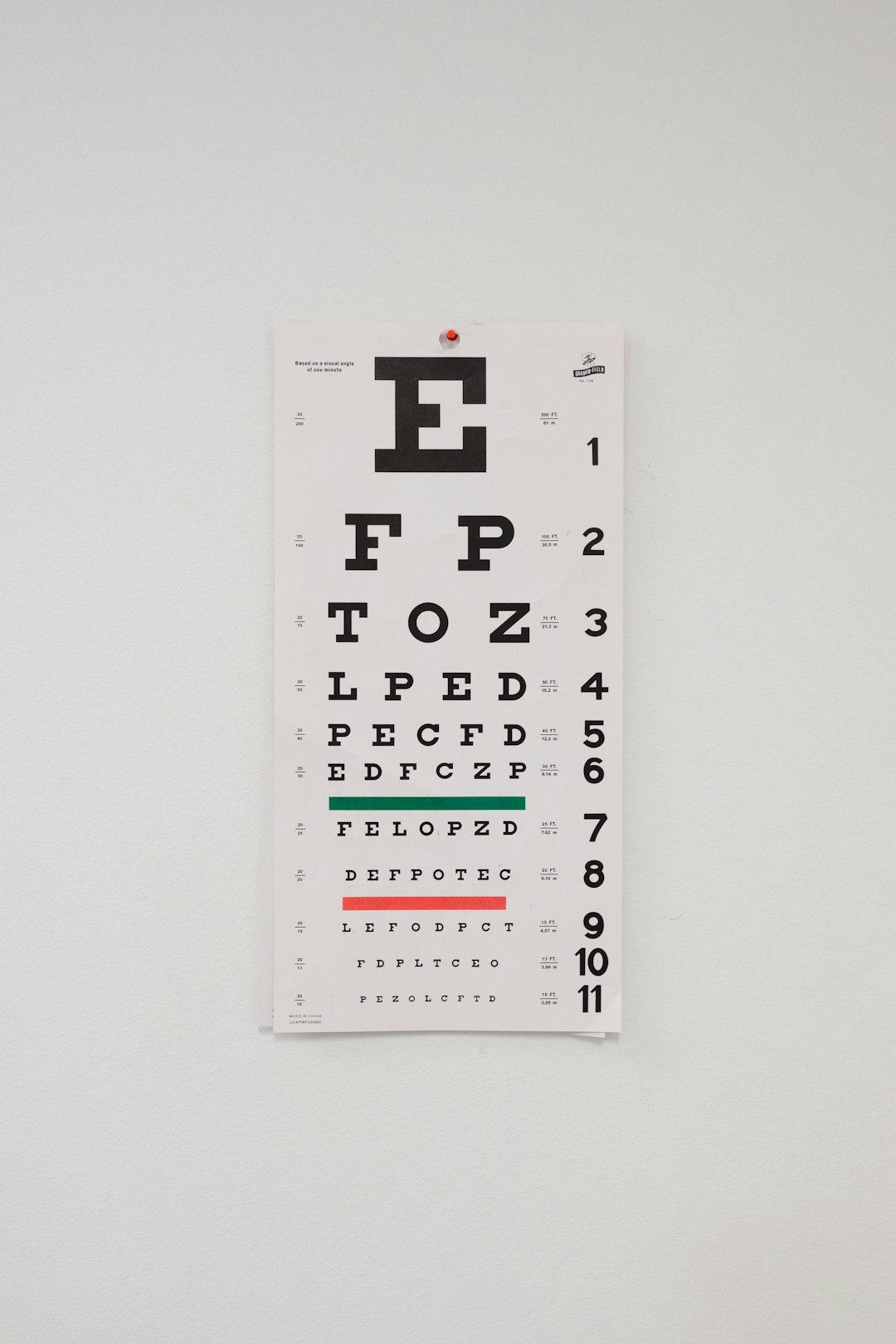
Eye care is an essential aspect of overall health, and for individuals with disabilities or developmental challenges, accessing the right type of care becomes even more critical. Vision issues can often go unnoticed, especially in children or adults with special needs who may have difficulty communicating discomfort or visual limitations. Therefore, having an optometrist who understands and can adjust their approach to suit these unique requirements is vital for effective diagnosis and treatment.
The process of providing eye care to individuals with special needs often demands more time, patience, and specialised equipment. Traditional eye exams may not always be suitable, especially for patients with sensory sensitivities or cognitive differences. An experienced optometrist will adapt their methods to ensure the patient remains comfortable and engaged during the examination. This could involve using non-verbal communication techniques, simplifying instructions, or allowing more time for the patient to adjust to their surroundings.
Parents and caregivers often play a crucial role in the eye care journey of individuals with special needs. Their insights can help optometrists better understand behavioural cues or underlying conditions that may influence the examination process. Collaborative communication between the optometrist and caregiver can enhance the accuracy of the assessment and lead to more effective solutions for managing vision issues.
Specialised practices that cater to patients with disabilities often go beyond standard vision testing. They may offer services such as assessments for visual processing disorders, customised eyewear fittings, and ongoing support for conditions like autism spectrum disorder, Down syndrome, or cerebral palsy. These services are tailored to ensure that patients not only receive a diagnosis but also benefit from accessible and practical treatments suited to their daily lives. For families seeking an optometrist for special needs, the availability of these tailored approaches can make a significant difference.
One of the key challenges in this field is early detection. In children with special needs, developmental delays may mask or mimic vision problems, making regular screenings even more important. An optometrist trained in working with special needs populations can identify subtle signs that may otherwise be overlooked. Early intervention can prevent further complications and support a child’s educational and social development.
The design of the clinical environment also plays a role in the quality of eye care provided. Practices that serve individuals with special needs often invest in creating a calm, sensory-friendly setting. This might include softer lighting, minimal noise, and visual aids that help patients understand what to expect during their appointment. These thoughtful adaptations can reduce anxiety and encourage cooperation, making the experience less stressful for both patient and caregiver.
Continuity of care is another important factor. Patients with complex needs may require frequent follow-ups or adjustments to their treatment plans. A long-term relationship with a trusted optometrist who understands their medical history and personal preferences can lead to better outcomes. It also fosters a sense of trust and familiarity, which is especially beneficial for those who may struggle with change or new experiences.
Finding the right professional can sometimes be a daunting task, particularly for families who are already navigating a complex healthcare system. However, resources are increasingly available to connect individuals with qualified providers who offer compassionate, specialised care. For those exploring options, this vision care provider is one example of a service focused on inclusivity and tailored support.
Ultimately, comprehensive eye care for people with special needs is about more than just vision correction. It is about recognising the whole person, understanding their unique challenges, and offering services that meet them where they are. With the right optometrist, individuals with special needs can achieve better quality of life through improved vision, greater independence, and enhanced participation in everyday activities.