
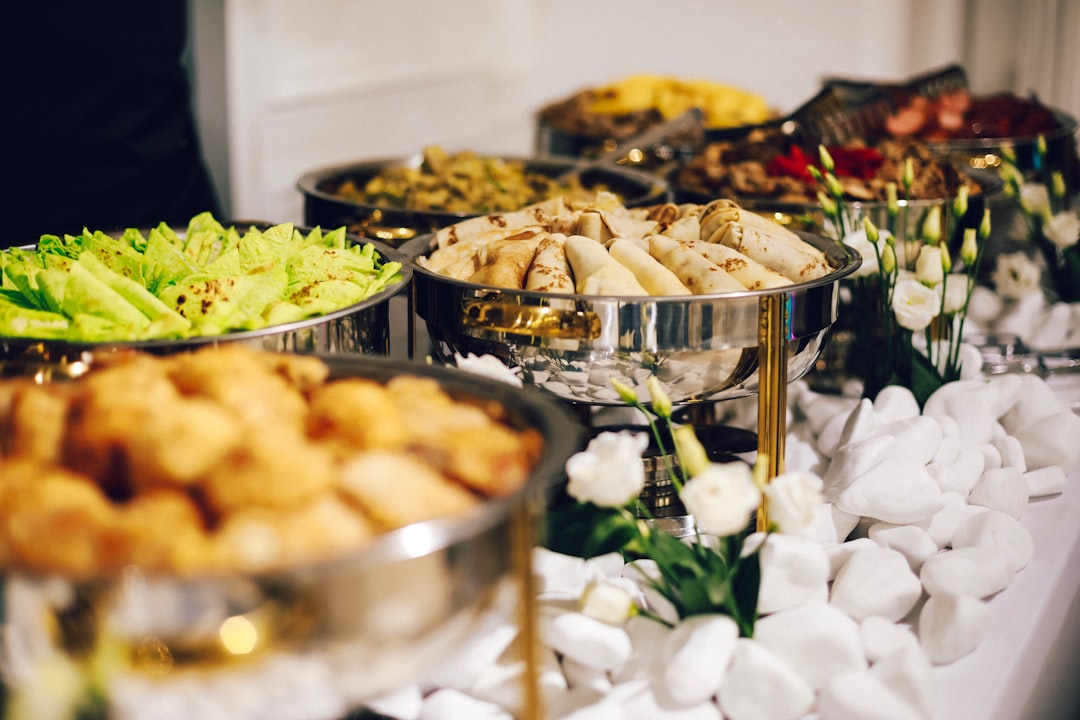
Office meetings are a regular part of business life, serving as essential touchpoints for collaboration, planning, and decision-making. While much attention is given to the agenda and participants, one often underestimated factor is the food. Thoughtful and timely catering can elevate a meeting from a routine obligation to a productive, engaging experience. As workplace dynamics evolve, so do expectations around meeting environments, and catering plays a key role in creating a comfortable and focused atmosphere.
Choosing the right catering for an office meeting involves more than just ordering sandwiches. It requires understanding the preferences and dietary needs of attendees, the timing of the event, and the purpose of the meeting. For example, a morning strategy session might benefit from an assortment of fresh pastries, fruits, and quality coffee, while a working lunch could involve individually packaged meals that accommodate various dietary restrictions. The aim is to provide sustenance without distraction, allowing participants to stay energized and attentive.
Beyond the food itself, the logistics of catering matter. Reliable delivery, appropriate packaging, and easy setup are crucial components that can either support or disrupt the flow of a meeting. A late or disorganized delivery can derail a tight schedule, while a seamless catering experience communicates professionalism and attention to detail. That’s why many businesses are turning to specialized services that focus on office meeting catering to ensure consistency and quality.
Tailoring catering to the type of meeting is another important consideration. A board meeting with executives may call for more upscale options and a formal presentation, whereas a team brainstorming session might benefit from casual, shareable dishes that encourage communal interaction. The setting and tone of the meeting should influence the catering choices to enhance the overall experience.
In recent years, dietary considerations have taken on greater importance. With increasing awareness of food allergies, sensitivities, and lifestyle choices like vegetarianism or gluten-free diets, providing inclusive options is not only respectful but also necessary. Failing to accommodate these needs can leave employees feeling overlooked or excluded. A successful catering plan acknowledges these differences and offers variety without sacrificing quality.
Sustainability is another emerging factor in office catering decisions. Companies are becoming more conscious of their environmental impact and are seeking caterers who use eco-friendly packaging, source ingredients locally, and reduce food waste. These considerations align with broader corporate social responsibility goals and can reinforce a company’s values in subtle but meaningful ways.
Budget constraints naturally play a role in any catering decision. However, practical solutions exist that balance cost with quality. Many catering providers offer tiered pricing and customizable menus to suit different budgets, allowing even smaller businesses to provide thoughtful food options without overspending. It’s also possible to prioritize key meetings for more elaborate catering while opting for simpler fare for routine gatherings.
Convenience is another significant factor. With the increasing demand for remote-friendly services and flexible scheduling, businesses benefit from platforms that streamline the ordering process. Services that allow for advance planning, menu previews, and reliable customer support make it easier for office managers and administrators to meet their team’s needs without added stress. For those seeking a dependable solution, exploring corporate catering options that specialize in meeting logistics can offer peace of mind.
Ultimately, office meeting catering is more than a practical necessity; it’s part of a broader strategy to foster engagement, show appreciation, and support productivity. Well-fed employees are often more attentive, in better spirits, and more willing to contribute meaningfully to discussions. Whether it’s an informal team catch-up or a high-stakes quarterly review, the right food can subtly shape the tone and success of the meeting.
As work culture continues to evolve, so will the expectations surrounding how meetings are conducted and supported. Catering will remain a key element—not just for sustenance, but as a reflection of how much a company values its people and its time. Thoughtfully executed, it can turn everyday office meetings into experiences that strengthen collaboration and morale.