
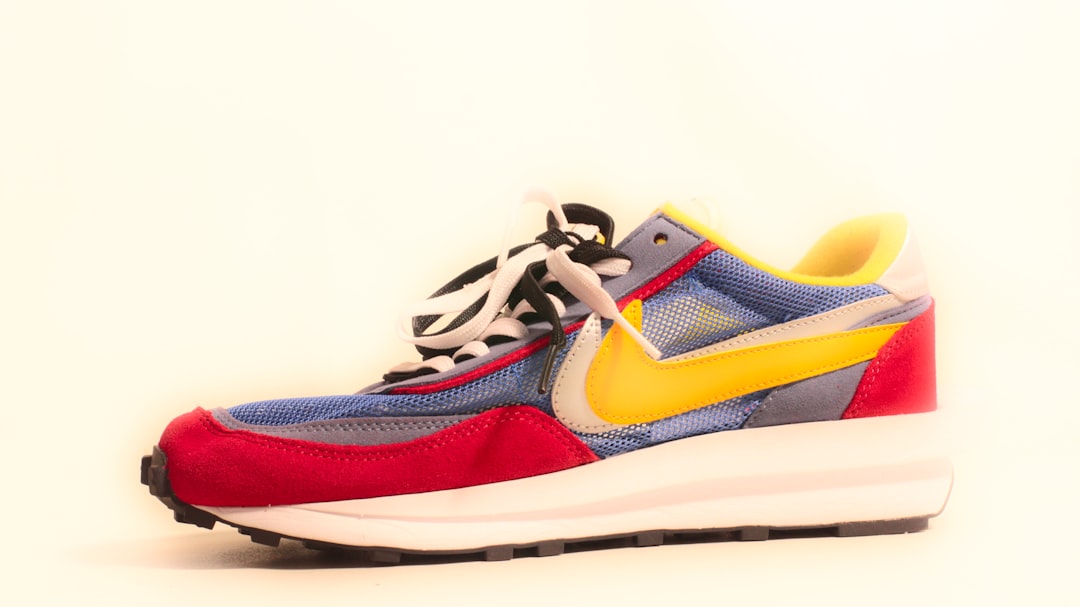

One of the biggest perks of memory foam is shock absorption. Every step sends impact through your feet and legs, which adds up when you’re on hard surfaces. Regular insoles usually don’t cushion well enough, leading to tired feet and sore joints. Memory foam compresses under weight and bounces back slowly, giving steady relief throughout the day. This makes it a smart choice if you’re clocking long hours standing or walking, whether at work or during exercise.
Take a retail shop owner as an example. Spending hours on hard floors can sap energy and focus. Switching to custom moldable insoles can make a noticeable difference, letting them concentrate on tasks instead of aching feet. Similarly, runners training for endurance events often find standard shoe cushioning falls short. Memory foam inserts can provide extra padding that reduces foot fatigue and improves comfort during long runs.
Custom fit is where these insoles really shine. The process involves warming them up so they soften, then standing on them to shape the foam exactly to your foot’s outline. This personalized fit targets pressure points that cause pain and discomfort, something off-the-shelf options rarely achieve. Plus, you can reheat and re-mold them as your feet change or if you want to adjust the fit over time.
Breathability is another practical feature often overlooked. Many memory foam models come with tiny ventilation holes or use moisture-wicking materials to keep feet dry and cool. This is especially helpful for those prone to sweating or working in warm conditions. Dry feet help prevent blisters, fungal infections, and just feel better overall, which contributes to better focus and productivity.
When shopping for memory foam inserts, pay attention to thickness and density. Thicker foam offers more cushion but might make shoes tight, especially in snug footwear. Thinner inserts won’t bulk up your shoes but might not provide enough support for heavy use. It’s useful to test different types and keep an eye on how your shoes fit with the inserts inside, sometimes trimming is necessary to get the perfect balance.
Investing in quality memory foam inserts doesn’t just relieve foot pain; it can promote better posture by supporting the foot’s natural arches and alignment. Many people overlook how much foot comfort impacts their overall body mechanics. Also, some custom options come with guarantees that let you try them risk-free, like a 100-day money-back policy, so you can be sure they work before fully committing. memory foam inserts for shoes offer this kind of assurance.
Every foot is unique, and finding the right insole means matching it to your specific needs and shoe types. Some people check their shoe fit regularly after inserting new insoles to avoid unwanted tightness or slipping. Others note changes in foot pain or fatigue after a few days to decide if adjustments are needed. For detailed advice on customizing your comfort, visit foot care tips for daily wear.