
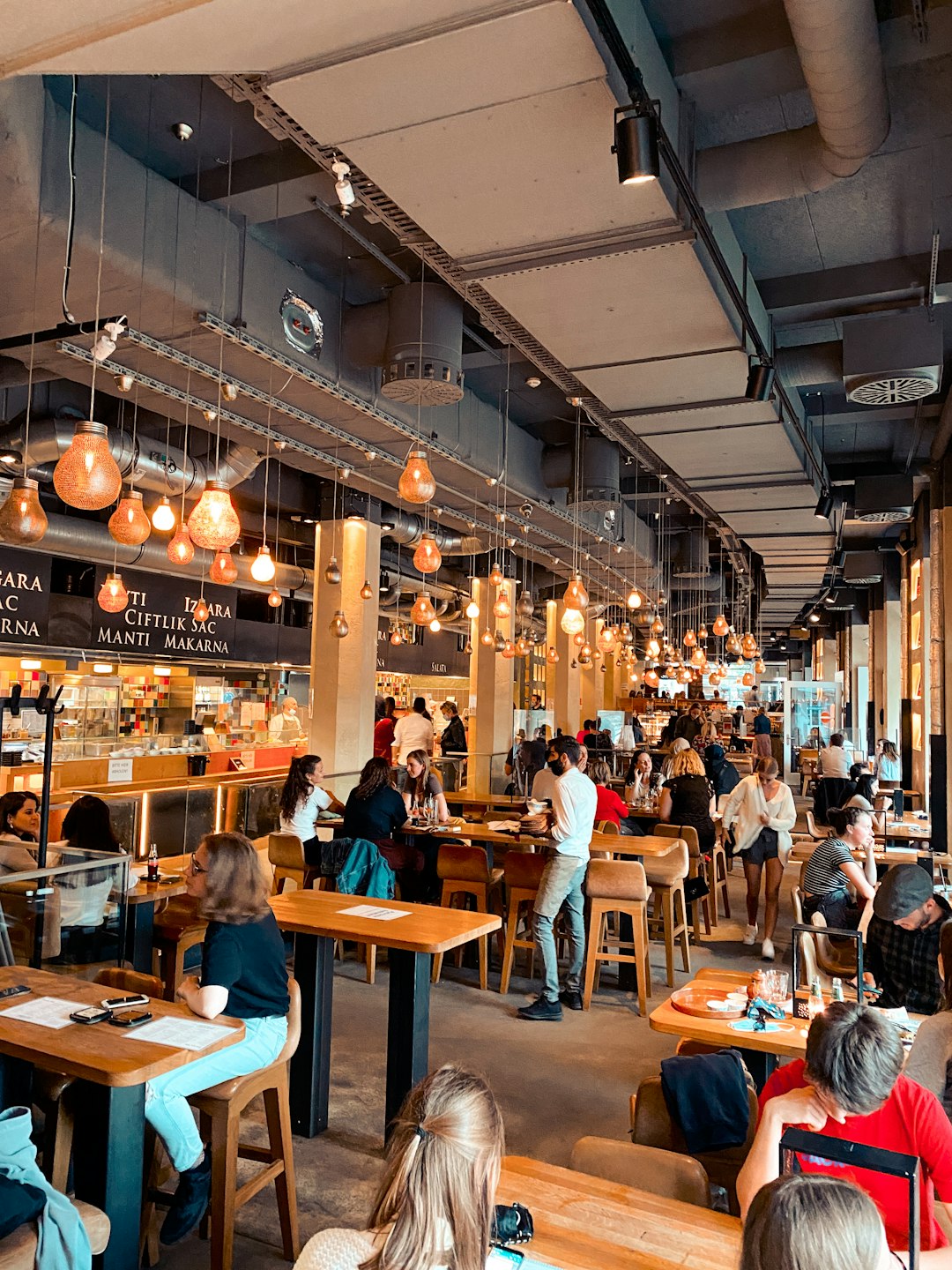

Capacity means more than the number printed on a venue’s fact sheet. Practical capacity allows for service aisles, comfortable chair placement, handbags, coats, and guests who stand during a toast. Request a floor plan or a clear description of the proposed table arrangement. Ten people around one table may have an easier conversation than twelve divided between two tables, even if both setups fit the room’s stated limit. Ask where a host, speaker, or photographer would stand and whether furniture would need to move. One useful habit is to mark the preferred seating plan on the venue’s diagram before discussing menu details.
Sound deserves a direct conversation with the event manager. Glass, bare floors, and hard walls can reflect voices and make a room tiring, while music from the dining area or a nearby event may affect conversation. Terms such as intimate or cozy do not tell you how the space performs during a full service. Ask whether the room has a closing door, a curtain, or an open connection to the main restaurant. Find out whether music is played and whether another private party could be nearby. If a client dinner includes a final toast, ask the manager to describe a realistic noise level rather than relying on photographs or a short daytime visit.
Set the menu format before invitations are sent. A prix fixe dinner offers a planned sequence at a stated price, while a tasting menu generally uses smaller portions and more courses over a longer period. The right format depends on the event’s schedule and character. A business meal may need predictable pauses and a firm finish, whereas a birthday dinner may allow more time between courses. Ask how long the meal usually lasts, when the first plate reaches the table, and whether substitutions can be arranged. Seasonal ingredients may change before the event, so describe the style of the menu to guests instead of promising a specific dish too early.
Dietary information should live in a simple written record that pairs each guest with allergies, preferences, and required precautions. A note saying that several people have restrictions is too vague for a service team. Dairy-free, vegetarian, vegan, religious restrictions, dislikes, and serious allergies are different requests and should be labeled accurately. Send the record to the designated contact and ask how it will be shared with the chef and servers. Then check it against the final guest list a few days before the dinner. If one attendee needs a zero-proof pairing and another has an allergy, state whether the request applies to every course, selected dishes, or only beverages.
Build the schedule around the meal rather than adding speeches whenever a plate happens to be cleared. Service pacing covers the intervals between courses, beverage pours, remarks, and pauses, so ask who controls those transitions. A retirement dinner with a ten-minute presentation may work well between courses, but it can feel rushed if guests are still eating. Tell the venue about any departure deadline at the time of booking and repeat it when the group arrives. Ask how the host signals that guests are ready for the next course. A printed run sheet placed beside the seating chart gives the host and service team the same reference during the evening.
Price the event by separating the room charge, food, beverages, service fees, tax, and minimum spend. A minimum spend usually applies to an agreed amount of food and drink, but each venue can define its terms differently, so ask what counts toward it. Confirm the deposit, final guest-count deadline, cancellation terms, menu-selection date, and person responsible for payment in writing. Also ask how additions are approved during service. A wine pairing may suit a tasting menu, while a mixed group may prefer selected bottles, individual nonalcoholic drinks, and a few flexible choices. For groups comparing private dining rooms san francisco, a one-page event agreement can prevent a verbal assumption from becoming an unexpected charge.
Inspect the guest experience from arrival through departure. Check the route from the entrance, elevator or step-free access, restroom location, coat storage, chair comfort, and sightlines to the person hosting. Confirm where guests wait if they arrive early and whether the room can receive deliveries such as place cards or presentation materials. Ask for the final floor plan and menu version, then compare both with the guest information sheet before sending invitations. A restaurant offering a paced tasting menu may suit a small celebration, especially if wine and zero-proof pairings need coordination. Use san francisco tasting menu planning as a point of reference, then verify every event-specific detail directly with the venue.