
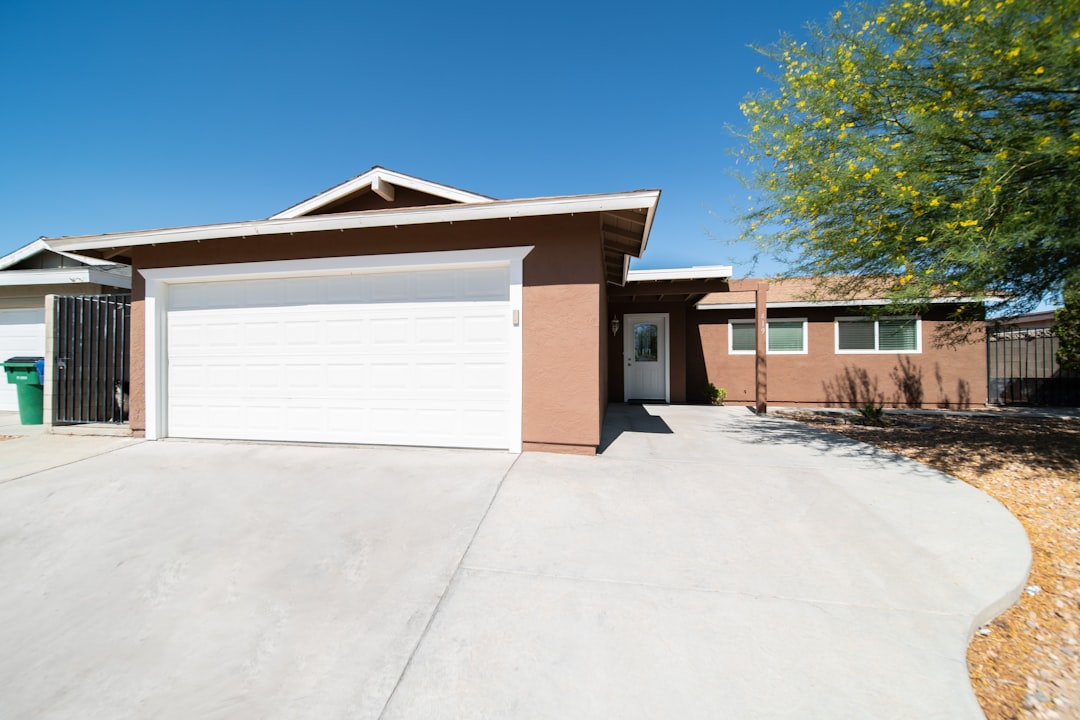
When considering home maintenance or improvement projects, sealing a driveway often comes with questions about cost. The process involves more than simply applying a sealant; it requires assessing the condition of the surface, materials used, and the size of the area. Understanding how these factors influence the final price can help homeowners make informed decisions and better plan their budgets.
The first aspect that affects the cost is the size of the driveway. Naturally, larger surfaces require more materials and labour, which increases the overall expense. Additionally, the type of driveway—whether concrete, asphalt, or another material—also plays a role. Each surface has different requirements for preparation and sealing products, which impacts both the technique and the total cost.
Condition is another significant factor. If your driveway has cracks, stains, or extensive wear, it may need cleaning, patching, or even resurfacing before sealing can begin. These added steps require extra time and resources, which contribute to the overall sealing cost. For this reason, regular maintenance can help keep expenses lower over time by avoiding major repairs.
The choice of sealant also affects pricing. Some sealants offer better protection and longer-lasting finishes, but they tend to be more expensive. The type of finish desired—whether matte, glossy, or textured—can also influence the cost. These are considerations best discussed with a professional who can recommend the most suitable option based on your specific needs and expectations.
Labour costs vary depending on the location and the complexity of the job. In regions where skilled trades are in high demand, service providers may charge higher rates. It’s also worth noting that some companies might include additional services as part of their quote, such as cleaning or minor repairs, which should be clarified in advance. Understanding what is included ensures there are no surprises once the work begins. For an accurate estimate tailored to your needs, examining the regional driveway sealing cost can offer a more detailed understanding.
Timing can also influence the final cost. Sealing is best done during dry, warm months, and scheduling outside peak seasons might result in better pricing due to lower demand. Planning ahead not only helps you secure a convenient time slot but may also reduce costs.
Homeowners should also consider the long-term value of sealing. While it might seem like a routine maintenance task, sealing a driveway can significantly extend its lifespan by protecting it from moisture, UV rays, and daily wear. This can prevent more substantial and costly repairs down the line, making it a wise investment in the longevity of your property.
To make the most of your investment, it’s advisable to consult with experienced professionals who can provide tailored advice. Whether you have a newly laid driveway or an older surface showing signs of wear, working with experts ensures the job is done properly and efficiently. For those considering a sealing job or seeking more information, exploring concrete services in your area can help you connect with the right resources.