
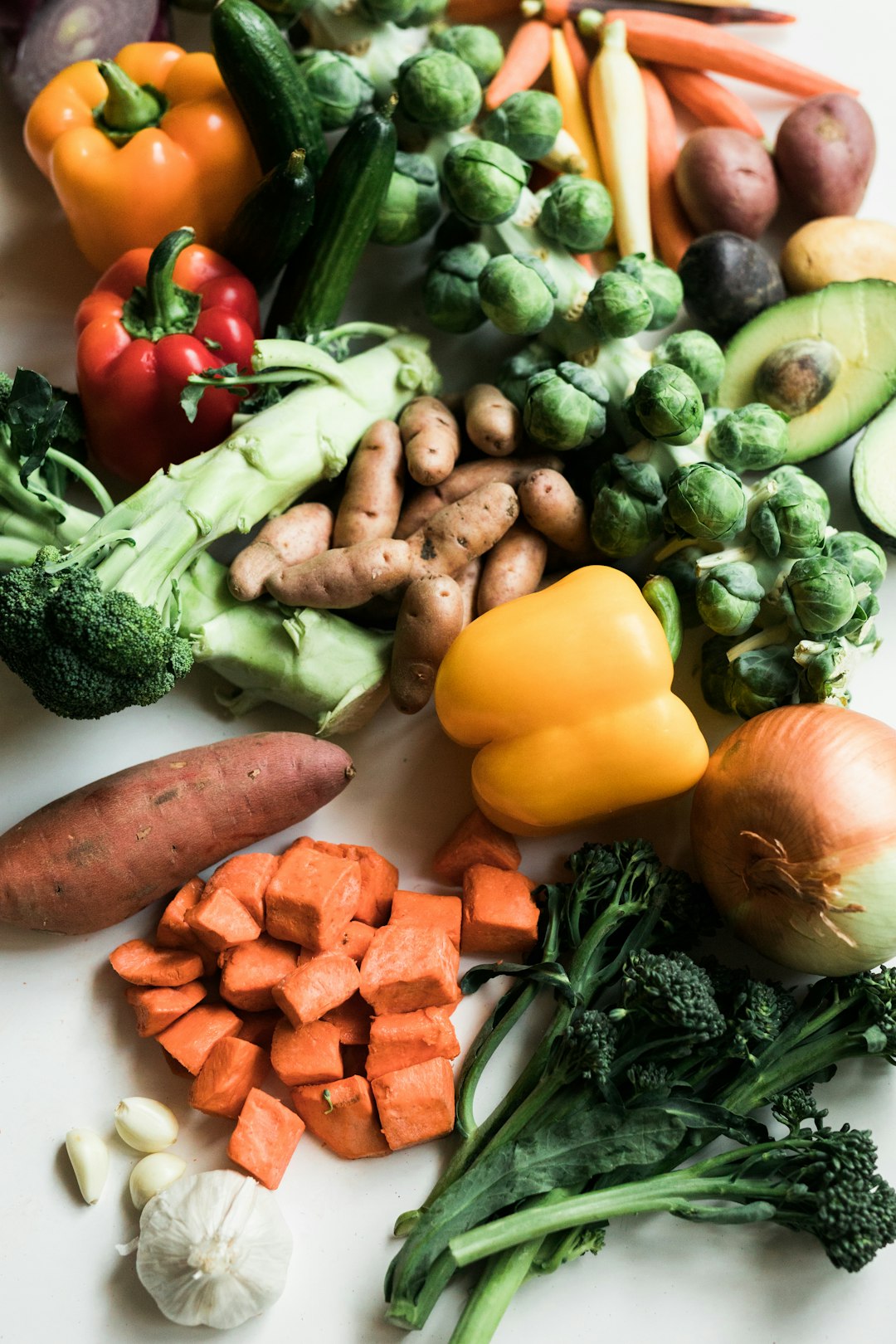
Gut health is increasingly recognized as a cornerstone of overall wellness, influencing everything from digestion and immunity to mood and energy levels. The human gut is home to trillions of microorganisms that make up the gut microbiome. When this delicate ecosystem is balanced, it supports essential bodily functions and contributes to a strong immune system and mental clarity.
The gut microbiome plays a crucial role in breaking down food, synthesizing vitamins, and managing inflammation. It communicates with various systems in the body, including the brain, through a complex network known as the gut-brain axis. This connection explains why imbalances in the gut often correlate with issues such as anxiety, depression, and even cognitive decline. Maintaining a healthy gut is not only about digestion but also about supporting emotional and mental well-being.
Dietary choices are one of the most significant factors influencing gut health. A diet rich in diverse, fiber-filled foods nourishes beneficial bacteria and supports a thriving microbiome. Fermented foods, prebiotics, and probiotics are essential in this process. These elements help maintain a healthy balance of microbes, which is vital for nutrient absorption and immune function. The importance of gut health becomes even more evident when considering its role in reducing the risk of chronic diseases such as diabetes, obesity, and heart disease.
Stress management also plays a key role in maintaining a healthy gut. Chronic stress can disrupt the microbiome, leading to digestive issues and systemic inflammation. Incorporating mindfulness practices like meditation or yoga, along with regular physical activity, can help regulate stress and support gut function. Sleep quality and hydration are additional lifestyle factors that influence the health of the microbiome.
Environmental exposures, such as antibiotics and processed foods, can negatively impact gut health by reducing microbial diversity. While antibiotics are sometimes necessary, overuse can wipe out both harmful and beneficial bacteria. Rebuilding the gut after antibiotic use often requires targeted dietary strategies and time. It is essential to be mindful of what we introduce into our bodies, not just for immediate health, but for long-term wellness.
Understanding the gut’s influence on the immune system is another important aspect. Around 70% of the immune system resides in the gut, meaning that a compromised microbiome can leave the body more vulnerable to infections and illnesses. A balanced gut supports immune regulation, reducing the likelihood of autoimmune responses and allergic reactions.
For those seeking to improve their gut health, the first step is often education. Learning about how different foods, habits, and environments affect the gut can empower individuals to make better choices for themselves and their families. Resources that focus on holistic approaches to wellness offer valuable insights into how to cultivate a healthier lifestyle through gut-conscious living. One such resource can be found at this wellness-focused platform, which explores natural strategies for supporting digestive and overall health.
In the end, prioritizing gut health is not just about preventing discomfort or illness. It’s about fostering a resilient body and mind, capable of thriving in everyday life. As research continues to reveal the intricate connections between the gut and the rest of the body, it becomes clear that nurturing this internal ecosystem is a fundamental aspect of living well.