
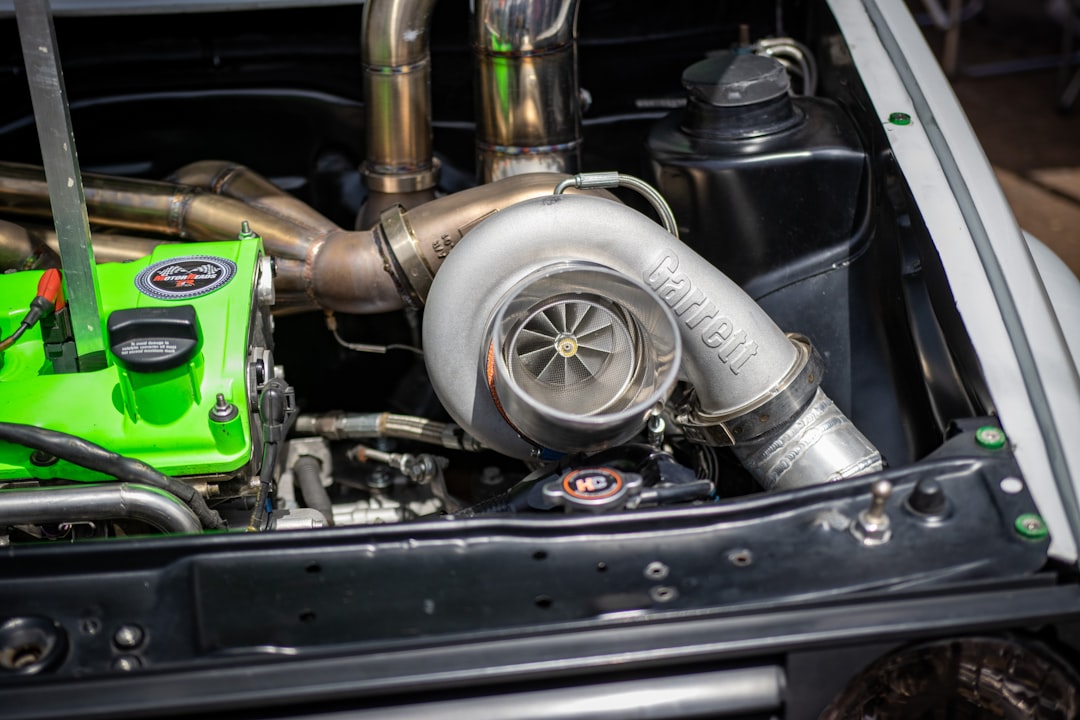
If you run a shop or work in automotive tuning, you’ve likely come across the G Series II turbochargers. They’re often misunderstood, which can lead to clients missing out on solid upgrades. These turbos aren’t just another part; they bring some real technical improvements that affect performance and reliability.
The G Series II models have redesigned compressor wheels that are larger and shaped for better airflow. This means the turbo can push more air into the engine faster, cutting down on lag. The turbine side has also been reworked to spool up quicker, which sharpens throttle response. For any build chasing higher horsepower and torque, these changes make a noticeable difference.
One detail some overlook is the bearing system. Unlike traditional journal bearings, the G Series II uses ball bearings. This isn’t just marketing jargon; ball bearings reduce internal friction and improve boost recovery times when you’re accelerating hard. From my experience, engines running with ball bearing turbos tend to hold up better under stress and maintain consistent boost pressure longer than setups stuck with older bearing tech.
Fuel efficiency is another point worth mentioning. When tuned correctly, the G Series II can improve combustion by delivering more air precisely when needed. This doesn’t mean it automatically turns every vehicle into a fuel saver, but under moderate loads, it can help maintain better economy compared to older turbo models that struggle with airflow control.
The wastegate system on these turbos has been updated too. It offers tighter control over boost levels, helping to prevent boost creep, a problem that can cause the engine to run too rich or lean at high RPMs. Teams building race cars or high-output street vehicles often appreciate this because it keeps power delivery consistent and protects engine components.
Compatibility concerns also pop up regularly. The G Series II is designed to fit a broad spectrum of vehicles, ranging from daily drivers to dedicated race cars. This flexibility means you don’t usually need extensive modifications when upgrading, something that saves time and reduces headaches in the shop. It’s always smart to double-check flange sizes and oil feed lines, but overall these turbos are fairly straightforward to install.
People new to turbo upgrades sometimes miss simple but important steps, like verifying the existing exhaust manifold clearance or updating the engine management system to handle the new airflow characteristics. Skipping these checks can lead to wasted effort or disappointing results. Keeping clear notes on each vehicle’s baseline setup helps avoid repeating work and makes tuning smoother.
If you want to dive deeper into specific models and specs, the G Series II page offers detailed data straight from the source. For broader parts availability and related performance accessories, check out . Both resources are handy when planning upgrades or advising clients.
performance turbo parts online
As automotive demands shift toward balancing power and efficiency, knowing the technical details behind components like the G Series II gives you an edge. It’s not just about adding parts but understanding how they interact with the engine’s systems and what real-world benefits they deliver for customers.