
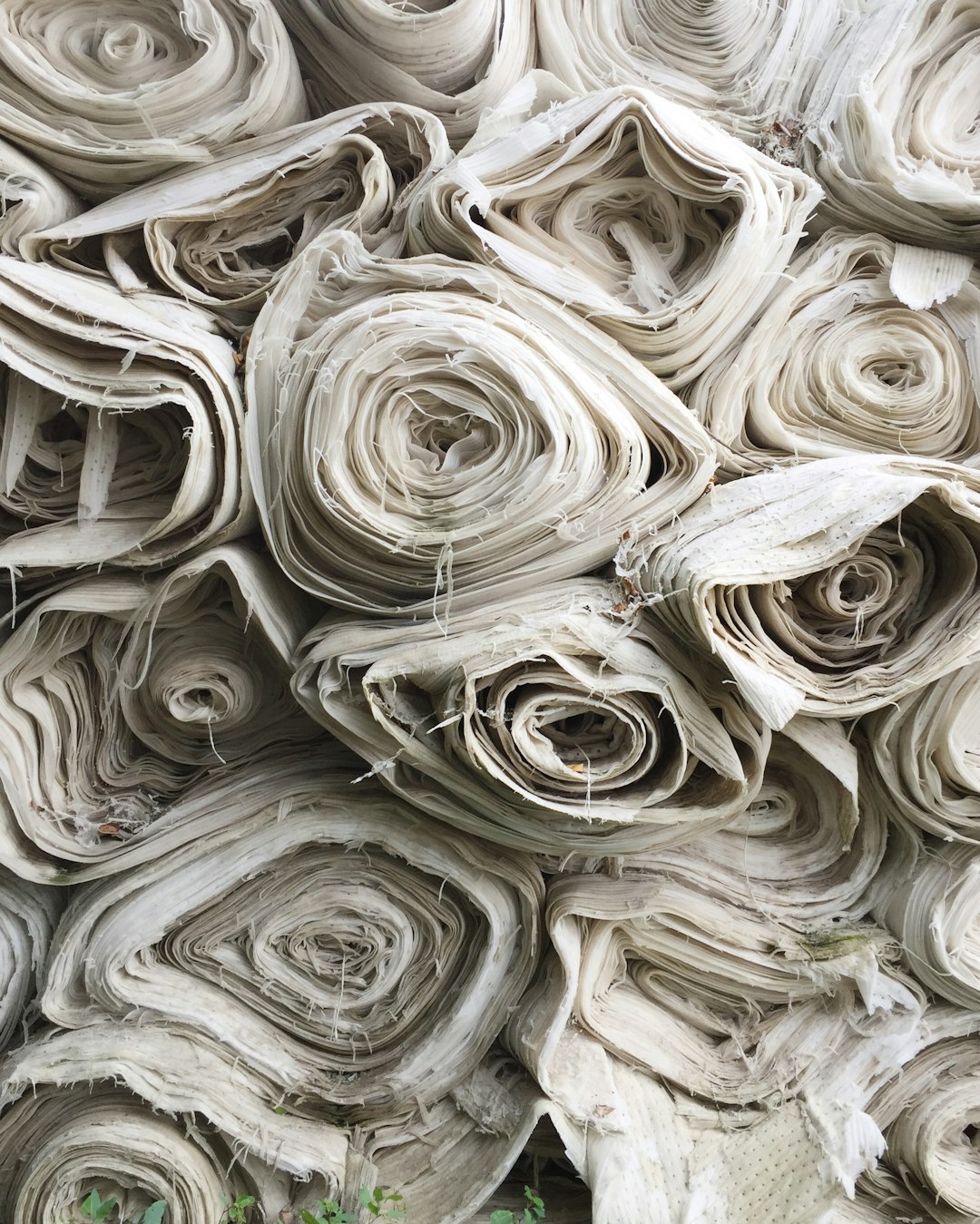
Excess inventory is a common headache for clothing retailers, often resulting in piles of unsold garments that represent wasted resources and environmental harm. Business owners juggling stock management and sustainability goals face pressure to find solutions that cut waste without breaking the bank. Fiber-to-fiber textile recycling tackles this head-on by turning old fabrics into new fibers ready for fresh garment production. This approach cuts landfill volume and limits the need for virgin fiber, easing the strain on natural resources while driving down costs over time.
The process begins at the molecular level. Old textiles collected from returns, overstock, or manufacturing scraps go through mechanical shredding and sometimes chemical treatments to break them down into their base fibers. These steps separate blends like cotton and polyester, allowing each fiber type to be processed individually. Sorting accuracy is critical; misclassifying materials can lead to contamination that weakens fiber quality or clogs machinery. Recyclers often rely on manual checks combined with emerging technologies like near-infrared scanners to improve sorting precision.
Polyester recycling is a common focus due to its prevalence and petroleum-based origins. Recycling polyester fibers reduces dependence on fossil fuels and cuts carbon emissions compared to producing virgin polyester. However, recycled polyester can degrade with each cycle, so many manufacturers blend recycled with new fibers to maintain fabric strength. Cotton presents different challenges because it shortens during mechanical recycling, producing fibers that are best suited for lower-grade textile products unless chemically regenerated.
Quality control remains a key concern throughout the recycling workflow. Variations in input textiles, differences in dye, fabric weight, and fiber blends, affect the consistency of output fibers. Businesses often conduct test runs and maintain tight process documentation to understand how specific waste streams influence end-product performance. Practical habits like segregating materials at the source and labeling batches help prevent cross-contamination and reduce rework.
The output fibers feed directly back into garment manufacturing lines that meet industry standards for durability and appearance. This link between recycled inputs and finished products supports brands aiming to reduce their environmental footprint while appealing to eco-conscious customers. Still, fluctuations in recycled fiber quality require designers and production teams to adjust patterns or fabric blends, adding an extra layer of coordination.
Upgrading infrastructure is critical for scaling these efforts. Our new facility expands capacity and introduces more efficient sorting equipment, enabling higher volumes of textiles to be processed more reliably. The investment also includes staff training programs focused on spotting contaminants and maintaining equipment, which improves throughput and lowers downtime. These practical steps help turn recycling from a niche activity into a viable large-scale operation.
For those interested in joining the circular textile economy, starting with clear sorting protocols and realistic quality expectations is vital. Partnerships with experienced recyclers can smooth the learning curve. For detailed information on how fiber-to-fiber recycling works and the benefits it offers, visit textile recyclers. You can also explore to understand the broader picture of eco-friendly fashion manufacturing.