
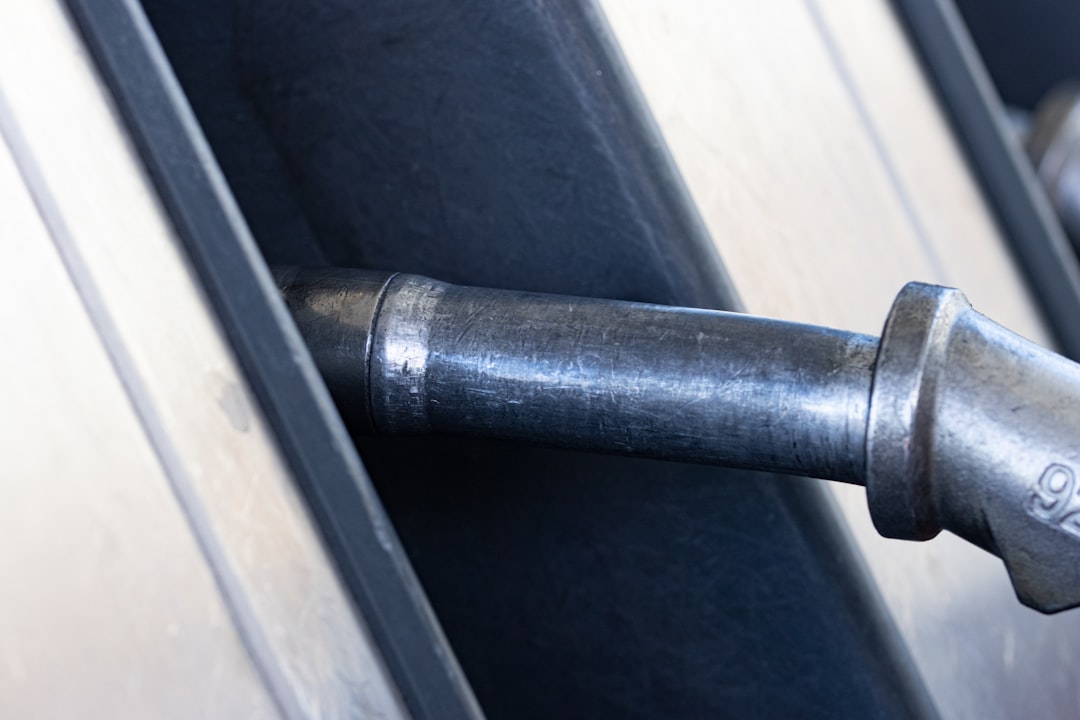
In industrial and commercial settings where sanitation is paramount, the right equipment can make all the difference. One often overlooked but essential tool in maintaining cleanliness is the jet rinse nozzle. Designed to deliver high-pressure water streams, this component plays a crucial role in removing debris, contaminants, and residues from surfaces, containers, and processing equipment. Whether it’s used in food processing, chemical manufacturing, or general facility maintenance, the jet rinse nozzle contributes significantly to operational efficiency and hygiene compliance.
The principle behind this nozzle is simple yet powerful. By channeling water through a specially engineered orifice, the nozzle generates a focused, high-velocity stream capable of dislodging stubborn particles. Unlike standard hoses or sprayers, a jet rinse nozzle provides targeted cleaning with minimal water waste, making it both effective and environmentally conscious. Its precision not only improves cleaning results but also reduces the time and labor involved in sanitation processes.
In environments where contamination risks are high, such as in laboratories or food production lines, the jet rinse nozzle becomes indispensable. These nozzles often feature ergonomic designs that are easy to handle and resistant to corrosion, ensuring durability under frequent use. Additionally, many are compatible with a range of fittings and hoses, allowing for seamless integration into existing wash-down systems. This adaptability further enhances their value in maintaining strict hygiene standards.
For operations that require custom solutions or specialized configurations, sourcing the right equipment from a knowledgeable supplier is key. A well-designed jet rinse nozzle can be tailored to match unique cleaning requirements, including the type of material being cleaned and the specific contaminants involved. This level of customization ensures that the nozzle performs optimally in its intended environment, whether it’s handling sticky food residues or abrasive industrial grime.
Maintenance is another area where the jet rinse nozzle proves its worth. Thanks to its robust construction, it requires minimal upkeep, and most models are designed for easy disassembly and cleaning. This not only extends the life of the nozzle but also supports consistent performance over time. For businesses that rely on daily wash-down procedures, investing in high-quality nozzles can yield long-term savings by reducing downtime and replacement costs.
Moreover, the efficiency of these nozzles contributes to sustainability goals. By maximizing cleaning power while minimizing water usage, they help facilities lower their environmental impact. This is particularly important in industries facing increased scrutiny over resource consumption and waste management. Implementing water-saving technologies like the jet rinse nozzle is a proactive step toward responsible operation.
Selecting the right nozzle also means considering factors such as spray angle, pressure rating, and material compatibility. Stainless steel nozzles, for instance, are ideal for corrosive environments, while plastic variants may be suitable for less demanding applications. Understanding these details ensures that the equipment aligns with operational needs and regulatory requirements.
As facilities grow and evolve, so do their sanitation needs. Staying ahead of these demands involves not just using the right tools but also partnering with providers who understand the complexities of industrial cleaning. Working with a company that specializes in customized solutions for wash-down systems can provide valuable insight and support. For more information on specialized cleaning equipment and custom options, visit this custom solutions provider.
Ultimately, the jet rinse nozzle is a compact yet powerful component that significantly impacts the effectiveness of sanitation protocols. Its ability to deliver precision, efficiency, and reliability makes it an essential tool in any facility committed to cleanliness and operational excellence. As industries continue to prioritize hygiene, the importance of choosing the right rinse technology will only grow.