
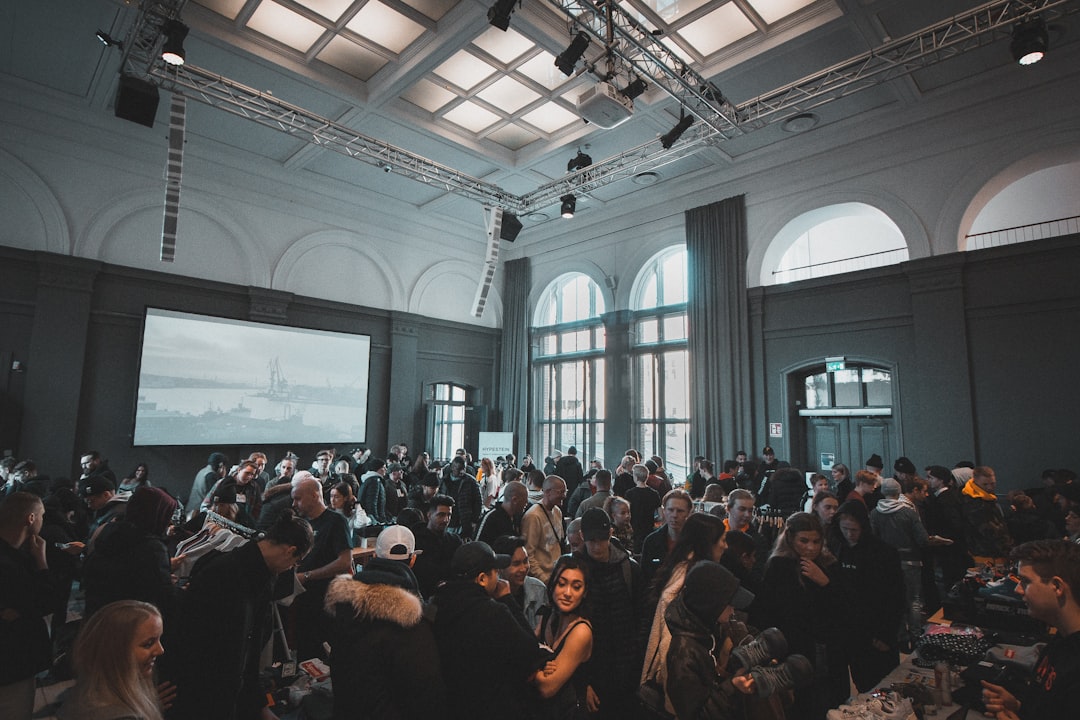
Imagine you’re in charge of organizing a large community event honoring military veterans. The venue is booked, but as the event date nears, the sheer amount of coordination needed for logistics, catering, and entertainment becomes daunting. This is a familiar situation for event planners, especially when the goal is to create an experience that truly respects and engages the military community.
Understanding what makes an event meaningful for veterans requires attention to detail. Accessibility is key, ensuring venues have ramps, adequate parking, and seating arrangements that accommodate seniors or those with disabilities makes a big difference. Thoughtful theming can elevate the event; including moments of recognition like flag ceremonies or testimonials from veterans helps attendees feel genuinely honored.
Vendor management is another critical area. Partner with caterers who recognize common dietary needs among veterans, such as low-sodium options or gluten-free meals. Many planners keep a checklist of vendor contacts with notes on past performance and specialties to avoid last-minute surprises. Collaborating with local veteran groups early in the planning process can reveal which activities resonate best, whether that’s a historical exhibit or interactive workshops.
Events vary widely, from formal banquets to informal picnics, and each requires a tailored approach. Fundraisers might focus on securing sponsors and auction items, while family events prioritize kid-friendly activities and casual seating. Selecting speakers or entertainers with military backgrounds adds authenticity and connects on a personal level with attendees. It’s common practice to confirm all speaker logistics weeks ahead to prevent scheduling conflicts.
Technology has become indispensable in managing events efficiently. Using event management software helps track registrations, process payments, and send timely reminders to guests. This reduces errors like double bookings or missed communications, which often cause headaches for planners. Social media campaigns can build anticipation and encourage community interaction before, during, and after the event, posting behind-the-scenes photos or live updates keeps engagement high.
Networking within the industry can open doors to useful partnerships. Forming relationships with local businesses can lead to sponsorship deals that offset costs and increase community involvement. It’s wise to maintain an updated contact list and schedule regular check-ins with vendors and collaborators to address any concerns early.
Staying current on event trends benefits any planner aiming for lasting success. Attending workshops and conferences provides fresh ideas and new tools that can improve workflow or guest experience. A practical habit many planners adopt is reviewing post-event feedback forms carefully to identify what worked and what didn’t, preventing repeated mistakes.
Running an event planner business demands a mix of creativity, organization, and hands-on experience. Veterans’ events have unique needs, but with careful preparation and by leaning on trusted colleagues, you can deliver occasions that leave a lasting impact. For ongoing support and resources related to military community events, visit .