
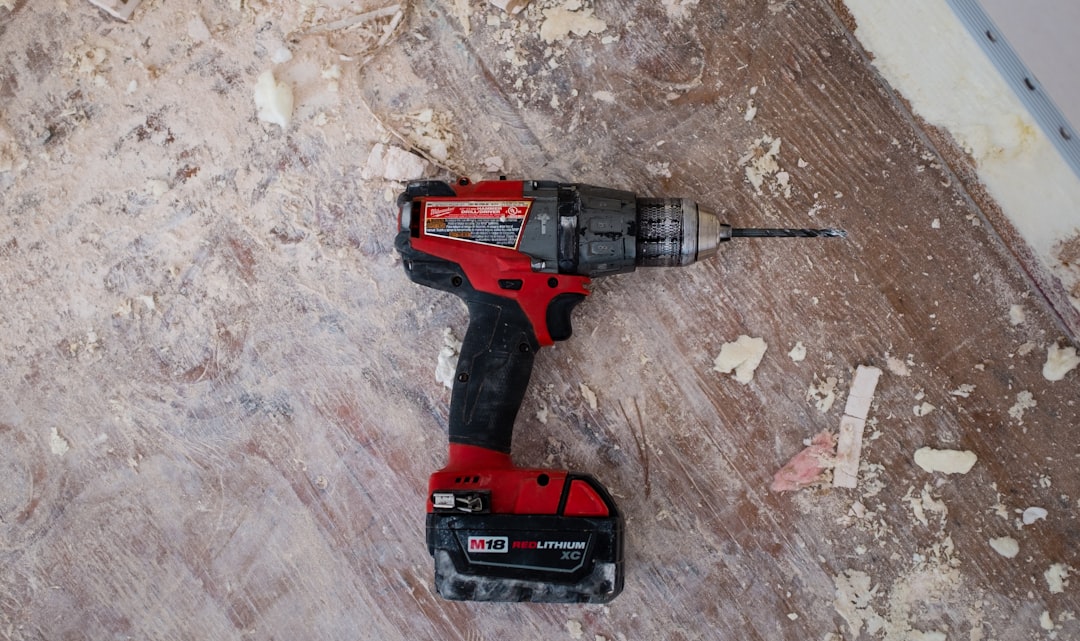
Working with steel requires the right tools, and selecting the proper drill bit is essential to achieving clean, precise holes. Steel is a dense and tough material, and using the wrong bit can lead to broken tools, poor results, or even safety hazards. Understanding the types of drill bits designed for steel, their materials, and how to use them effectively can make a significant difference in both professional and DIY projects.
Drill bits for steel are typically made from high-speed steel (HSS), cobalt alloys, or carbide. Each material offers different benefits depending on the thickness and hardness of the steel being drilled. High-speed steel bits are a cost-effective choice for general use and can cut through softer steels when used appropriately. However, for harder grades or frequent use, cobalt bits are preferred due to their increased heat resistance and durability. Carbide-tipped bits, while more expensive, are often used in industrial applications for their superior cutting ability and longevity.
One of the most important factors to consider when choosing drill bits for steel is the point angle. A standard 118-degree tip is common for general-purpose drilling, but a 135-degree split-point tip is typically better suited for metal. The flatter angle reduces walking on the material surface and allows for better control during the start of the hole. This is particularly helpful when starting a hole without a pilot, as it minimizes the need for center punching.
Proper drilling technique is just as important as bit selection. When drilling steel, it’s essential to use steady pressure and consistent speed. Too much speed can generate excessive heat, dulling the bit quickly or causing it to fail. Using a lubricant or cutting oil helps to dissipate heat and prolong the life of both the bit and the drill motor. This is especially critical when working with thicker or harder grades of steel, where friction becomes a more significant factor.
It is also important to note that drill bits wear over time, especially when used on tough materials like steel. Regular inspection of the drill bit tip can help identify wear or damage before it affects the quality of the work. If the bit shows signs of dulling or chipping, it should be replaced or sharpened. Using a dull bit can not only produce poor results but also increase the risk of overheating and damaging the workpiece.
For those seeking a variety of options for steel drilling, there are specialized tools available that cater specifically to metal applications. These can include step bits, which allow for multiple hole sizes with a single tool, or annular cutters used in magnetic drills for larger diameter holes. Choosing the right type of bit for the task can significantly reduce effort and improve outcomes. A wide selection of drill bits for steel can be found through suppliers that specialize in metalworking tools and fasteners.
Storage and maintenance of drill bits are also key aspects to consider. Keeping bits organized and protected from moisture can prevent rust and damage. Many professionals rely on labeled cases or drill bit indexes to keep their tools in order. After use, cleaning the bits of any metal shavings or residue will help maintain their cutting edge and prevent build-up that could interfere with their performance.
Safety is another critical component when working with drill bits and steel. Always wear appropriate eye protection to guard against flying metal fragments. Gloves can protect hands from sharp edges and hot surfaces, though care should be taken not to let them get caught in rotating machinery. Secure the workpiece properly to avoid movement during drilling, which can cause the bit to wander or break.
For individuals or businesses looking to enhance their metalworking capabilities, sourcing high-quality tools and accessories is a crucial step. Reliable suppliers offer not only drill bits but also a wide range of related products, such as fasteners, cutting fluids, and tool storage solutions. More information and resources can be found at this industrial supply website, which provides access to various tools suited for working with metal and other materials.
In summary, drilling into steel demands careful planning, appropriate tools, and proper technique. By understanding the key characteristics of drill bits designed for steel and maintaining them properly, users can achieve cleaner cuts, extend tool life, and improve overall efficiency in their projects. Whether for light-duty repairs or heavy industrial fabrication, the right drill bit makes all the difference.