
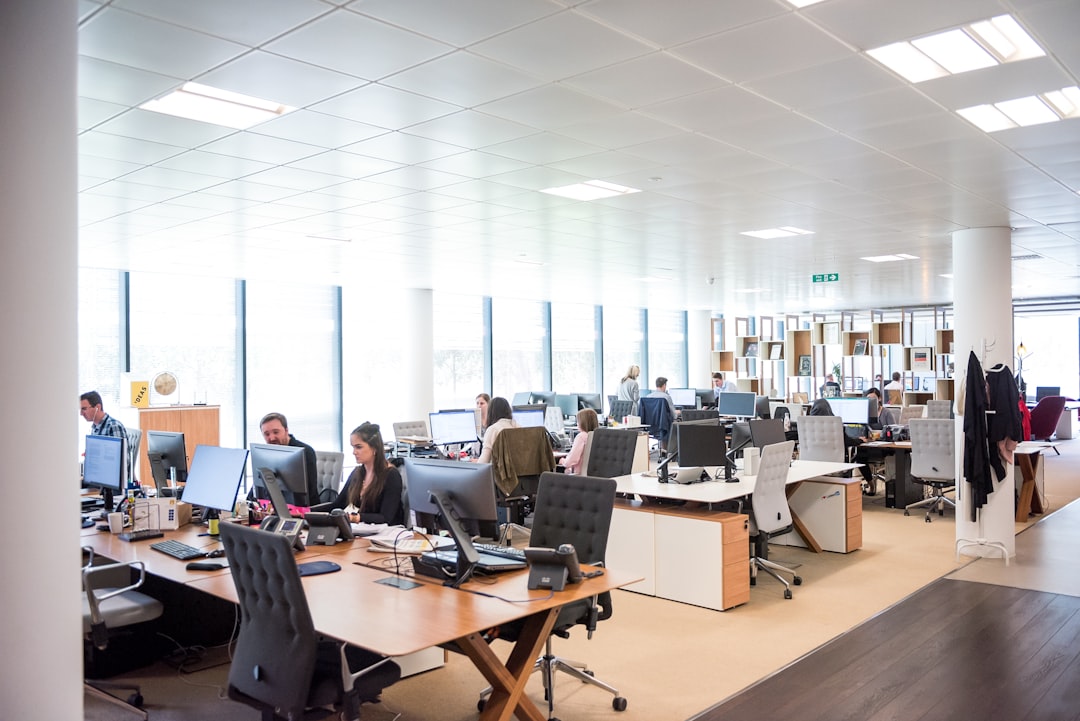
Picture a busy warehouse where a worker slips because safety procedures were overlooked. Such injuries are far from rare in workplaces that don’t make safety a priority. The consequences go beyond the immediate harm, there’s downtime, compensation claims, and a hit to the company’s reputation. To reduce these risks, a well-planned safety management system is indispensable. It’s not just about ticking boxes; it’s about building an environment where employees feel safe and supported.
Changing the safety mindset at work means more than following regulations. It means everyone from the floor to management owning safety. For example, regular hands-on training sessions help employees spot hazards early, such as cluttered walkways or worn-out equipment. When workers see safety as part of their job, they’re more likely to speak up about risks and prevent accidents. This kind of culture shift doesn’t happen overnight but delivers lasting benefits.
A practical safety system includes tools for reporting incidents, assessing risks, and tracking compliance. Reporting near-misses is often ignored but it’s vital for catching patterns before injuries occur. Risk assessments should be updated regularly, not just once a year, to reflect changes like new machinery or altered workflows. Compliance tracking helps keep the business aligned with local safety laws and industry standards, avoiding fines and legal trouble. For instance, maintaining records of fire extinguisher checks or ensuring all forklift operators hold valid licenses are typical compliance tasks.
OneSystem offers tailored software that fits different industries without disrupting daily operations. Imagine a construction firm using it to monitor equipment inspections and worker certifications in real time. This means no more digging through piles of paperwork after an audit. The system also supports scheduling routine maintenance, helping prevent equipment failures that could cause injuries. A practical habit is setting automatic reminders for inspections, this avoids last-minute scrambles and missed deadlines.
Communication is often the weak link in safety programs. Keeping an open dialogue between supervisors and teams makes a big difference. Weekly safety meetings give everyone a chance to share observations or recent close calls. These sessions often reveal small issues like blocked emergency exits or faulty lighting that might otherwise go unnoticed. Making sure everyone feels comfortable raising concerns can catch problems before they escalate.
For businesses aiming to refine their operations further, exploring options like best business management software helps tie safety into broader management practices. Integrating these tools simplifies data collection and improves decision-making by providing real-time insights across departments. For example, linking safety reports with maintenance schedules can identify if equipment issues correlate with reported incidents, guiding smarter resource allocation.
Investing in a safety management system also builds employee trust. Workers who know their employer takes safety seriously are more engaged and productive. Trust grows when management follows up on reported hazards promptly rather than ignoring them. It helps to have clear documentation for every reported issue and action taken, this transparency reassures everyone that problems won’t be swept under the rug.
For more information on how to enhance your workplace safety practices, visit workplace risk management strategies. Implementing a system like OneSystem can transform your approach to safety, from reactive firefighting to proactive prevention, saving time, money, and lives.