
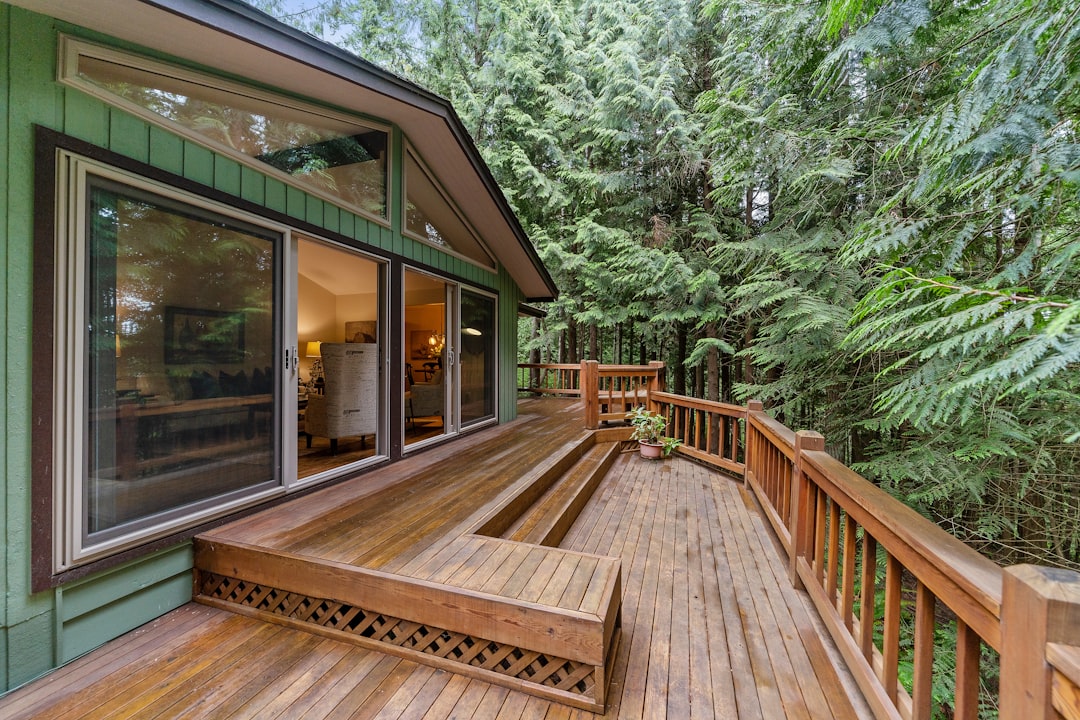

Moisture is a frequent culprit. While composite materials generally resist water, if your deck isn’t built with the right slope and sufficient space underneath, water pools and causes trouble. Without proper ventilation, trapped moisture encourages mould growth and can rot the supporting joists. A common slip-up is installing boards too close together, which reduces airflow. Ensuring at least an 8mm gap between boards and a slight pitch away from the house helps water drain off and air circulate.
The type of composite you pick matters more than most homeowners expect. Some cheaper decks use recycled plastics that break down faster under sunlight or scratch easily. Higher-grade composites mix wood fibres with high-density polyethylene, offering better durability and a more natural look. When shopping, check product datasheets for UV resistance ratings and texture hardness. It’s worth paying extra for brands with solid warranties and proven track records. For instance, you might consider composite decking options designed to balance toughness with style.
Installation errors cause plenty of headaches down the line. Not leaving room for expansion is a classic mistake that leads to buckled boards as temperatures fluctuate. Fasteners also need careful attention; screws that are too tight can restrict movement, causing splits or warping. Using hidden clips where allowed can reduce surface damage and make repairs simpler. Always follow the manufacturer’s spacing recommendations and confirm the fastening method suits your deck’s climate.
Cleaning is often overlooked. Unlike timber, composite won’t rot but it still collects dirt, algae, and stains that dull its finish. Regular washing with a soft brush and mild soap keeps it looking fresh. Avoid harsh chemicals or pressure washers, they can erode the surface layer or push moisture into gaps. A practical tip is to schedule cleaning every spring and autumn; this prevents grime buildup and spots early signs of wear, which can save you costly repairs later.
Adding features like built-in benches or planter boxes can enhance your deck’s usability and vibe but should be done thoughtfully. Heavy fixtures need proper support beneath the decking to avoid sagging. Using compatible fasteners and materials prevents unexpected reactions like staining or warping around attachments. It’s common for installers to miss checking if these additions block airflow or water drainage, so measuring spacing before installation is a must.
If questions arise about your decking or its maintenance, don’t hesitate to consult reliable resources. Many homeowners miss small details like checking warranty conditions tied to specific cleaning methods or installation standards. When in doubt, reach out to local suppliers or contractors familiar with your region’s climate challenges. For additional tips on creating comfortable outdoor living areas, visit outdoor space maintenance advice.