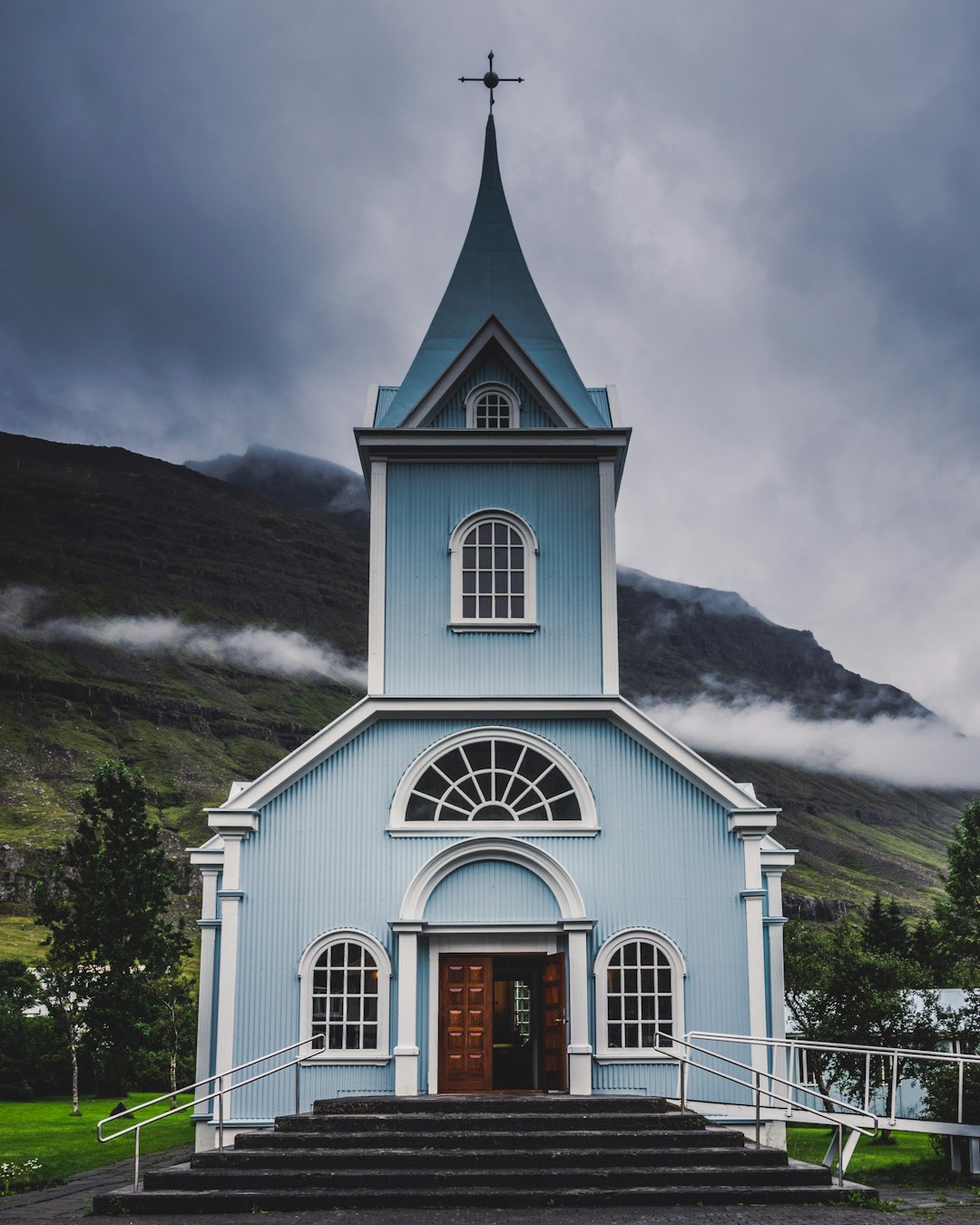

Start with the views and tasks that matter most. In a traditional nave, gentle general light can help people move along uneven aisles without competing with the altar or stained glass. Separate emphasis may be appropriate for the lectern, font, pulpit, memorials or choir area. A modern worship hall may need to change from a morning service to a shared meal or an evening rehearsal. A sound church lighting brief therefore begins with questions, not a fitting schedule. Record furniture positions, sightlines, daylight, candle use, access needs and any features the congregation wants visitors to notice.
Colour temperature describes whether light appears warm and golden or cooler and whiter. Warm sources often sit comfortably with timber, stone and traditional finishes, while a cooler appearance can make some detailed tasks feel more distinct. The appropriate balance depends on the room, its daylight and its materials. Colour rendering matters too. A high quality rendering performance can help skin tones, vestments, artwork and coloured glass appear closer to their natural appearance, although the selected light source still needs to suit the space. Ask to see samples in the church rather than judging a lamp from a small catalogue image.
Beam shape and aiming can change the result as much as lamp output. A narrow beam can draw attention to a cross, sculpture or architectural feature, but poor positioning may produce a stark bright patch and deep surrounding contrast. A wider beam can cover seating more evenly, yet may spill onto walls, windows or the ceiling. Glare deserves a seated check. A fitting that looks discreet from floor level may be uncomfortable for someone looking towards the chancel or reading from a pew. Test views from the back row, side aisles, choir stalls and wheelchair positions before fixing final aiming angles.
Use measured light levels to identify what needs attention instead of treating brightness as a single target for the whole building. Lux describes the light reaching a surface, so a reading desk, stair, entrance and circulation route may each call for a different result. A survey can reveal a dark step or shadowed doorway without requiring every fitting to run at full output. In a village church, the practical priorities might be modest aisle illumination, clearer light at the lectern and restrained emphasis around the chancel. A larger building may need separate scenes for preaching, choir music, exhibitions, weekday meetings and cleaning.
Controls should make those scenes easy to recall. Dimming can adjust levels without switching every fitting abruptly, while scene settings can store combinations for a wedding, concert or ordinary service. Occupancy sensors may reduce wasted light in toilets, vestries and storage rooms, but their position and timeout need testing so a person who is reading, praying or sorting equipment is not left in darkness. Ask a volunteer to operate the controls without instruction from the installer. That small test often exposes confusing labels or too many steps. Also check what the system does after a power interruption and whether a manual override is available.
The building survey should cover more than decorative appearance. Ask the designer to review heritage details, ceiling access, cable routes, existing electrical equipment, cleaning methods and the location of drivers or control gear. Maintenance access matters in a high nave, where changing a lamp or adjusting a fitting may require specialist access equipment. Request a drawing showing fitting positions, switching zones and aiming directions, along with a written reason for major choices. Reviewing lighting plans for churches can help a committee prepare useful questions, but the proposal should be based on its own architecture, programme and budget rather than copied from another venue.
Before approval, arrange a visit while the church is being used in its normal way. Bring the current order of service, sit in the usual pews and check whether light reflects from glossy paper or leaves faces in shadow. Look through the entrance from outside after dark, inspect the route to toilets and vestry, and confirm that emergency and ordinary lighting are not being confused in the control plan. Keep a note of each requested change so the installer can address them together. After installation, allow a commissioning visit for final aiming, dimming adjustments and scene checks. Record the settings and store the control instructions where church staff and volunteers will actually find them.