
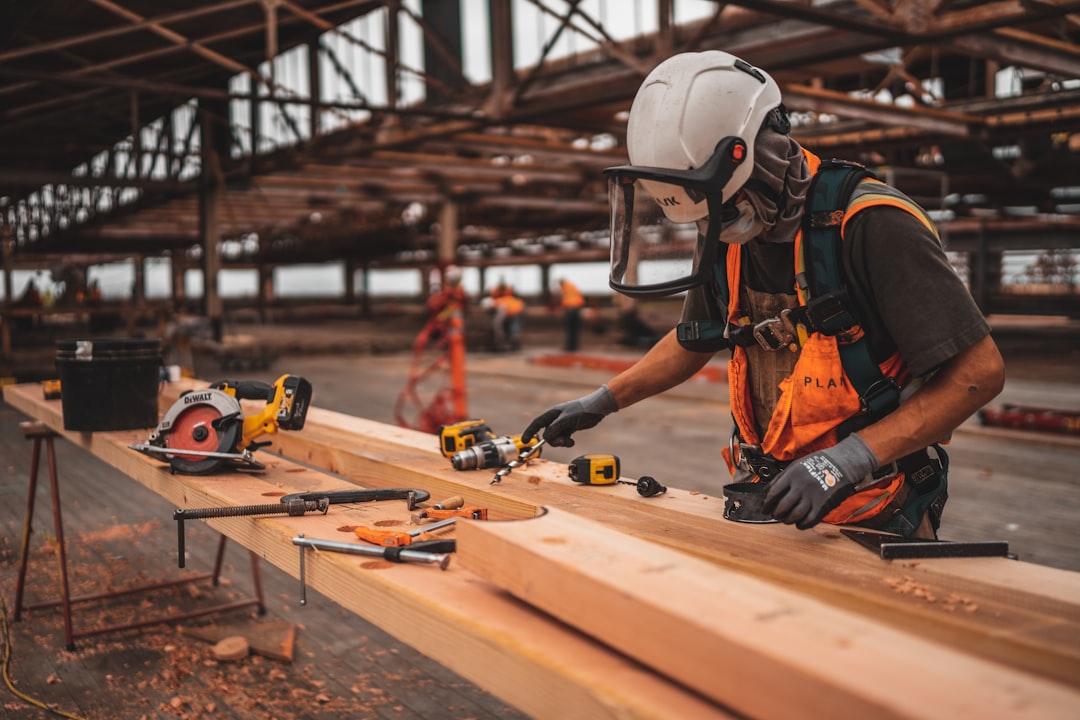

The course covers key areas such as framing, roofing, and finishing work. Framing means building the structure that supports the entire building. It requires accuracy and a solid understanding of how weight and forces interact. Roofing involves installing materials that protect the building from weather while ensuring a proper fit and finish. Finishing touches include fitting doors, windows, and cabinets, which call for precision and craftsmanship. Hands-on training in these areas is essential to build confidence and avoid costly mistakes on site.
Entry requirements usually include completion of Year 10 or an equivalent level. This baseline ensures you have enough literacy and numeracy skills to read blueprints, calculate measurements, and follow instructions without confusion. If you already have some experience, Recognition of Prior Learning (RPL) can be an option. It lets you get credit for skills you’ve developed through work or previous training, reducing the time needed to complete the qualification.
English proficiency must meet certain standards because clear communication is vital on construction sites. Misunderstanding instructions or safety warnings can lead to accidents or rework. Knowing terminology and being able to discuss tasks with supervisors and team members keeps projects running smoothly and safely.
Students gain practical skills like interpreting detailed building plans, taking precise measurements, and handling tools safely. For example, many apprentices learn early on how to check squareness with a carpenter’s square to prevent framing errors later on. Practical assessments mimic real job conditions, including cutting timber to size or assembling wall frames, which prepares students for what they’ll face on site.
Assessments combine hands-on tasks and written tests. Projects often replicate typical tasks such as constructing roof trusses or installing window frames. This balance ensures graduates have both the knowledge and ability to perform confidently once employed.
Choosing where to study is important. Established institutions tend to have instructors with years of trade experience who share practical tips like avoiding common misreads of plans or how to keep tools maintained to last longer. They also offer chances to connect with local builders and contractors, which can lead to job opportunities after finishing the course.
If you’re ready to take your skills further, exploring carpentry courses in adelaide is a smart step. The right training helps you tackle immediate challenges and sets a foundation for a solid career in construction.
For more details about trade qualifications and training options, visit adelaide vocational training resources.