
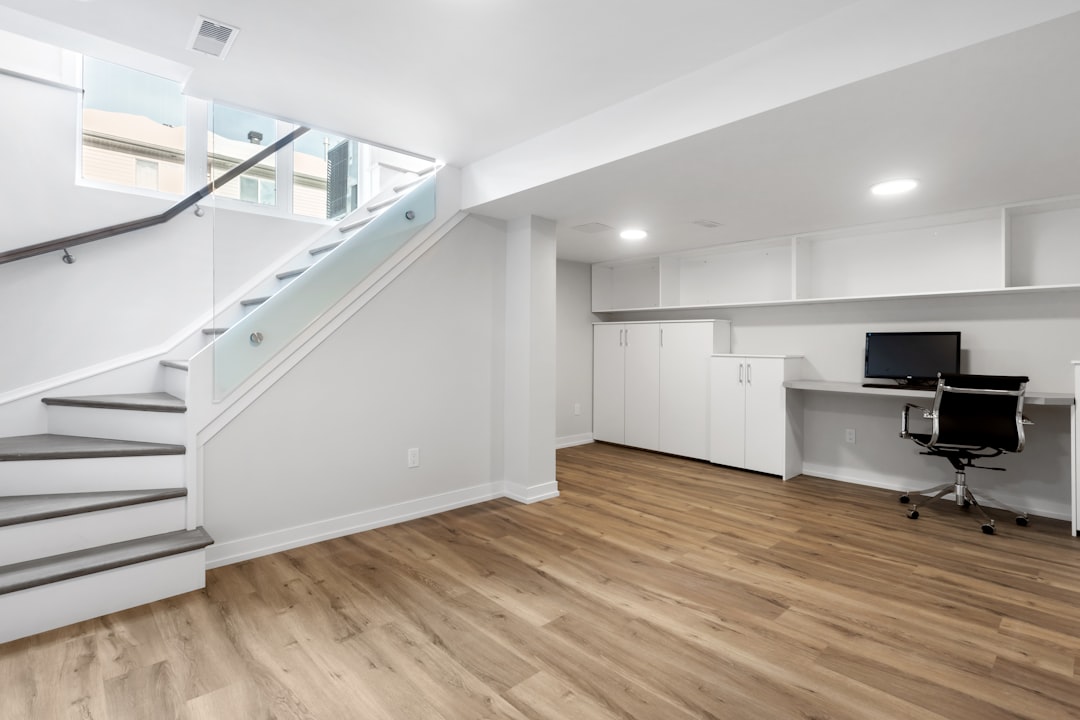

Waterproofing is one of the most overlooked yet critical steps in finishing a basement. It’s common to think that once drywall and paint go up, moisture won’t be an issue. But dampness can sneak in through small cracks or porous concrete, leading to mold and structural problems over time. Professionals often recommend installing a drainage membrane and sump pump system before any finishing work starts. This extra effort protects your investment and keeps the space comfortable year-round. Also, if you plan to rent out your basement, fire safety compliance isn’t optional. Proper fire-rated drywall and interconnected smoke alarms must be installed according to code to protect everyone in the home.
Understanding zoning rules in Markham is key when turning a basement into a legal apartment. For example, egress windows large enough for escape, minimum ceiling heights, and mechanical ventilation are all required. These rules exist for safety but can trip up inexperienced renovators. One practical tip is to get your contractor to provide a checklist from the building department before work begins. That way, you’re not caught off guard when inspections happen. It’s also common for homeowners to assume existing windows qualify as egress when they don’t meet size or height regulations.
Deciding how you want to use your basement should come first. Will it serve as a guest bedroom, a quiet office space, or an independent rental unit? Your intended purpose shapes the layout and features you’ll prioritize. For instance, an income suite needs a separate entrance and kitchen setup that complies with local codes. Sharing these goals clearly with your contractor helps avoid misunderstandings that can cause delays or costly changes. One homeowner I worked with found that leaving these intentions vague led to redoing plumbing after the initial install.
Safety measures extend beyond fire alarms. Installing interconnected smoke detectors throughout the basement ensures everyone hears an alert regardless of where they are. This isn’t just about meeting code; it’s about protecting lives and property. Many times, people underestimate how quickly smoke can spread in enclosed spaces below ground level. Using detectors that meet recognized safety standards is a small investment compared to potential risks. It’s also wise to test these alarms regularly during renovations to confirm they’re wired correctly.
Clear communication with your renovation team is vital throughout the project. Share your ideas openly and ask questions about timelines, materials, or construction methods that don’t make sense. Contractors appreciate clients who understand the process and will explain reasons behind specific choices like using moisture-resistant drywall or soundproofing insulation. If something feels off or unclear, speak up early rather than later when changes get more costly. A practical habit is keeping a renovation journal or shared digital notes to track decisions and agreements.
Cost is often top of mind when planning basement work. Prices vary widely depending on basement size, finishes, and systems installed. Getting multiple quotes from licensed contractors specializing in basement work helps establish a realistic budget and avoid surprises. Some will include waterproofing and permit fees; others won’t, so ask for detailed breakdowns. For example, adding a second bathroom or upgrading electrical panels can significantly increase costs but might be necessary for your plans.
Starting early conversations about your basement project can set you up for success. Whether you want to discuss basement renovations markham or need guidance on initial steps, reaching out to knowledgeable local builders makes a difference. They guide you through design choices, securing permits, and construction details so you avoid common pitfalls. Taking time upfront to plan carefully and follow local rules improves the chances your finished basement will meet expectations and add value.
Don’t let your basement remain unused space. With solid planning and professional help, it can become a functional part of your home that serves your family’s needs or generates rental income. For practical advice on remodeling options, visit home renovation tips in markham. Understanding local requirements and incorporating safety features ensures your project stands the test of time.