
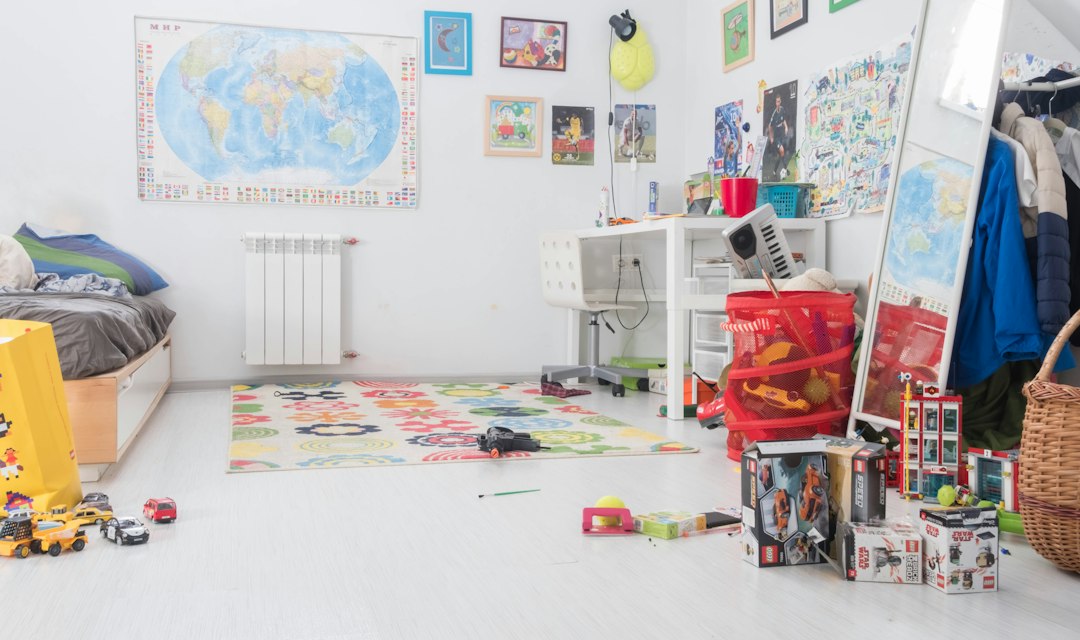

Size matters more than a product photo may suggest. A small child needs a seat that supports the hips and back without swallowing the body, while an oversized bag can be difficult to climb into or reposition. The useful concept is proportion: the seat should match the child’s reach, the available floor area, and the activities nearby. For example, a reading corner may need only enough room for the child and one book, whereas a shared play space needs clearance around the bag. Measuring the open area first prevents a comfortable purchase from becoming visual and physical clutter.
The family also assumed that a soft exterior automatically meant easy care. In practice, the cover and the filling perform different jobs. The cover is the washable outer layer that handles crumbs, fingerprints, and everyday contact. The filling creates the shape and determines how deeply the child sinks. A removable cover is therefore more useful than softness alone because it allows cleaning without treating the entire seat as a single object. When comparing options, check how the cover closes, whether seams feel reinforced, and whether the care instructions suit the household’s routine.
Safety depends on stability as well as softness. A low center of gravity means the weight stays close to the floor, making a seat less likely to tip when a child climbs or leans. That does not turn any bean bag into a climbing toy, but it explains why a broad, grounded shape can work better for supervised sitting. Adults should also inspect closures and seams regularly. If a zipper, stitching line, or inner container appears damaged, the bag should be removed from use until it is repaired or replaced. A quick visual check can become part of ordinary tidying.
Material choice can affect how the playroom feels over time. Some families specifically look for organic textiles or non-toxic materials, but those labels should be read alongside the care details and construction. Odor after opening is sometimes discussed as off-gassing, meaning compounds from newly manufactured materials are released into the air. Ventilating a room before regular use can be a sensible precaution, especially when a child spends long periods there. A shopper comparing a baby bean bag should consider the full combination of fabric, filling, closures, and maintenance rather than relying on one material description.
Placement changed the result in another realistic example. A bag set beside a bright window looked inviting, but the child avoided it because the surface became warm and the surrounding glare made books hard to see. Moving it a short distance into a shaded corner created a more usable reading spot without adding furniture. Texture matters too. A cover with enough friction can help a child stay seated, while a slick surface may cause sliding during ordinary movement. Nearby floor mats, cushions, or a children’s couch can soften the area, but they should not block ventilation or the path to the exit.
The improved setup was simple: measure first, choose a washable and well-constructed cover, inspect the filling area and closures, then position the bag where the child’s behavior already leads. The seat became a flexible place for reading, resting, or pausing between activities instead of a decorative object that had to be worked around. Families exploring broader playroom essentials can use the same reasoning for other soft pieces: match scale to the room, consider cleaning before appearance, and leave enough open floor for active play. That approach keeps comfort connected to everyday function.


