
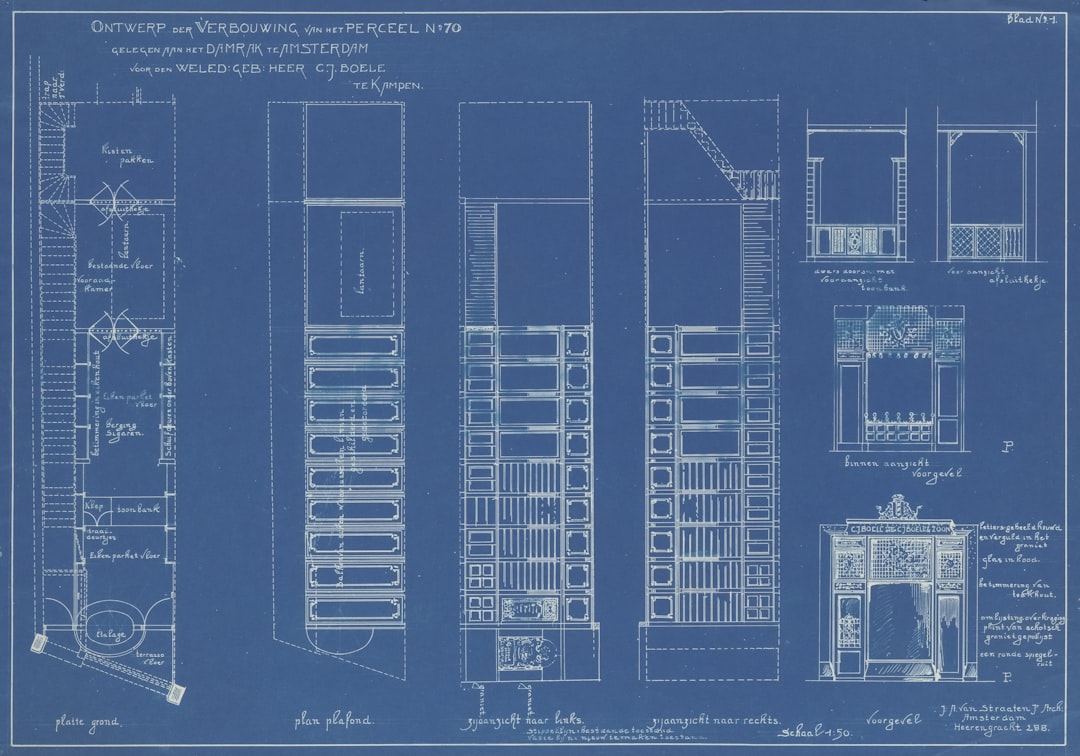
Architectural construction documents are the foundation of any successful building project. These documents serve as the blueprint for translating a design concept into a physical structure, guiding contractors, builders, and engineers through every phase of construction. From floor plans and elevations to structural details and material specifications, these drawings ensure that everyone involved in the project is aligned with the architect’s vision and complies with local building codes.
More than just technical drawings, construction documents represent a communication tool between the design team and construction professionals. Accuracy and clarity are critical. Even a minor oversight in these documents can lead to costly errors or delays. That’s why creating high-quality architectural construction documents is both an art and a science, requiring a detailed understanding of design intent, engineering principles, and project-specific requirements.
The process begins after the design development phase concludes. Architects and designers collect all the necessary information and begin drafting detailed drawings that include dimensions, materials, and methods of construction. These documents typically consist of a set of plans, sections, elevations, schedules, and notes. Each component plays a vital role in conveying how the structure should be built, down to the smallest fixture or finish.
In addition to guiding construction, these documents are essential in securing building permits. Local municipalities and regulatory bodies use them to verify that a project adheres to zoning laws, safety regulations, and other legal criteria. Without properly prepared documents, obtaining approvals and starting construction may be delayed or denied altogether.
Technology has significantly impacted the way construction documents are produced. Digital tools and Building Information Modeling (BIM) software have streamlined the drafting process, making it easier to coordinate between disciplines like structural, mechanical, and electrical engineering. This integration reduces the risk of conflicts that could arise during construction and supports more efficient project management.
Another benefit of well-prepared construction documents is their value during the bidding process. Contractors rely on these documents to prepare accurate estimates and timelines. Clear documentation helps ensure that bids are based on the same scope of work, leading to more competitive pricing and fewer misunderstandings. For clients, this transparency builds trust and sets realistic expectations for the project’s outcomes.
Professionals aiming to enhance the quality of their project deliverables often turn to expert services in drafting and refining these documents. Whether for residential, commercial, or institutional projects, specialized support can make a significant difference in the accuracy and efficiency of the final construction set. Those looking for more insight into these services can explore how professional drafting solutions contribute to smoother project execution.
Ultimately, architectural construction documents are much more than paperwork. They are the roadmap that transforms creative designs into tangible structures. When done right, they help bring ideas to life with precision, safety, and clarity, ensuring that every stakeholder moves forward with confidence.